Let's start with what nobody tells you
If you have eczema, psoriasis, contact dermatitis, or any form of reactive skin, you're probably used to the speech: "Avoid all irritants." What that usually means is people assume you can't have fun touching yourself without a flare-up. That's not true. It just means you need different prep work and materials that work with your skin instead of against it.
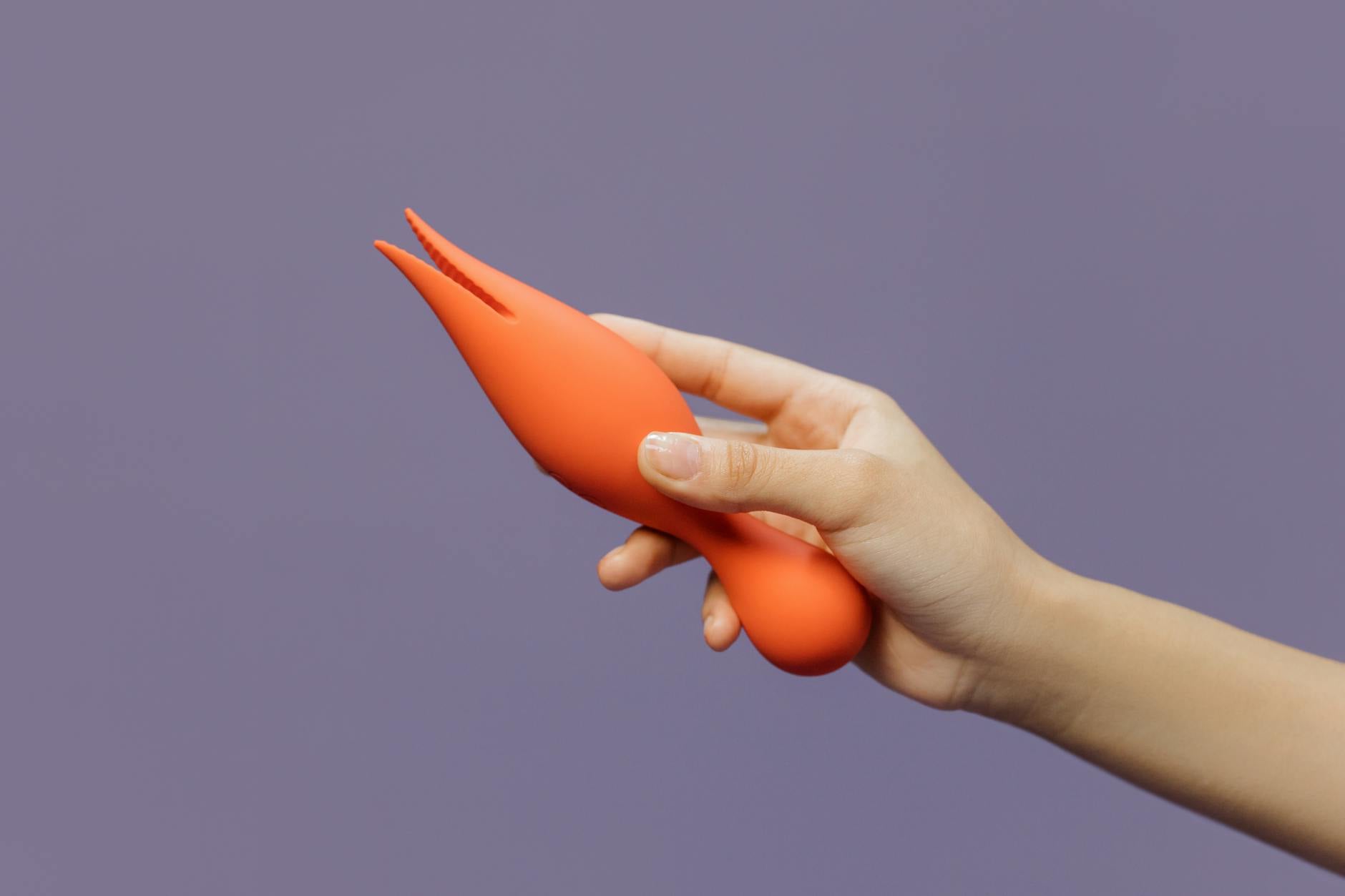
Lemon vibrators, specifically the Lem's medical-grade silicone, are actually a smart choice for sensitive skin because silicone doesn't off-gas chemicals the way latex or rubber does. But "better" doesn't mean "automatic." You still need a protocol.
Why sensitive skin reacts to vibrators in the first place
Three things trigger most dermatological responses. First: friction. Even smooth silicone rubbing repeatedly over sensitized skin can cause microtears that compromise your skin barrier. Second: heat buildup. Vibration generates warmth, which can intensify inflammation if your skin is already inflamed. Third: lubricant choice. This is the big one. Most commercial lubes contain glycerin, propylene glycol, or other humectants that pull water from deeper skin layers. For reactive skin, that's literally the opposite of what you need.
The good news? Each of these is preventable. You're not giving up pleasure. You're being strategic about it.
Material matters, and silicone is your friend
Medical-grade silicone, which is what Hello Nancy uses in the Lem vibrator, is non-porous and hypoallergenic. It doesn't harbor bacteria, it doesn't leach chemicals, and it doesn't absorb oils or compounds from your skin. If you have nickel sensitivity, latex allergy, or fragrance-triggered reactions, silicone is genuinely the safest choice for internal vibrators.
Before you use your lemon clitoral vibrator for the first time, wash it with fragrance-free soap and water, then dry it completely. Sound basic? It matters because manufacturers ship toys with manufacturing residue on them, and that residue can trigger sensitivity even if silicone itself wouldn't.
If you've had a flare-up before and you're nervous, do a 24-hour patch test first. Hold the Lem against your inner arm (less reactive than genital skin) for 5 minutes without vibration, wait 24 hours, and check for redness. This isn't overkill. It's the same protocol dermatologists recommend for new skincare products.
The lubricant decision is everything
This is non-negotiable: water-based lubricant only. Silicone lube will damage your toy, and oil-based lubes trap heat and bacteria against your skin.
But not all water-based lubes are equal. Steer clear of anything with glycerin, propylene glycol, fragrance, or numbing agents (yes, some lubes add those). Those ingredients are sensitizers. When your skin is inflamed or reactive, they'll make it worse.
What you want is a lube with a simple ingredient list. Hyaluronic acid, aloe, and glycerin-free formulas designed for sensitive skin work better. Some people with severe sensitivity use plain filtered water as a lubricant in a pinch, though that dries quickly and you'll need to reapply.
Apply the lubricant first, before you touch the vibrator to your body. This creates a barrier between your skin and the silicone. More lube than you think you need is actually the right amount here.
Intensity, duration, and the reset protocol
Here's where a lot of people get impatient and regret it. If you have active dermatitis or eczema, start with the Lem vibrator on its lowest setting. I mean the absolute lowest. Pressure setting one, pattern one. Not for 30 seconds, but for 3-5 minutes maximum on your first solo session. Your nervous system isn't going anywhere. Patience here prevents weeks of healing.
Gradually build intensity over multiple sessions. Move to setting two after 3-4 uses at setting one. Don't stack sessions. If you use your lemon vibrator today, give your skin 48 hours before the next session. That's not weakness. That's how skin repair works.
After you finish, wash the toy immediately with cool water and fragrance-free soap, then wash your own skin gently. Pat dry, don't rub. Some people find that applying a fragrance-free moisturizer (hyaluronic acid or ceramide-based) within five minutes of drying helps seal moisture back into the barrier.
When vibration and medication collide
If you're using topical corticosteroids, retinoids, or immune-modulating creams (like tacrolimus or pimecrolimus), check the instructions. Some dermatologists advise waiting 2-4 hours after application before any genital contact. Others say it's fine. Ask your doctor specifically about vibrator use, not just "sex." They'll give you a straight answer.
Oral antihistamines can sometimes paradoxically increase sensitivity by drying mucous membranes. If you're on a first-generation antihistamine like diphenhydramine, you might notice increased dryness during arousal. Use more lubricant, not more intensity.
The partner conversation if you have one
If you're using your lemon sexual toy with a partner, they need to know about your skin situation, but not in a way that feels like medical disclosure. "My skin flares with friction, so we need to use this specific lube and keep intensity low for now" is enough. They don't need your dermatology history.
If they help apply the lubricant, make sure their hands are clean and they're not transferring product from their skin (which might have different bacteria or irritants) to yours. Sounds paranoid. It's actually just hygiene.
Red flags that mean you need to pause
Burning, stinging, or itching that continues 30 minutes after you finish is a sign something wasn't right. Visible redness that doesn't fade within an hour. Any kind of oozing, weeping, or pustules. If you see any of those, wash with cool water, apply a fragrance-free moisturizer, and wait at least a week before trying again.
If itching or burning appears during use, stop immediately. It doesn't get better if you push through. Your body's signaling a problem, and pushing makes it worse.
True allergic reaction is rare with medical-grade silicone, but it exists. If you develop a widespread rash, hives, or breathing changes, that's ER territory. For most people, the problems are friction-related or lube-related, both completely solvable.
Why this matters beyond just comfort
Pleasure and skin health aren't in conflict. When you have a chronic skin condition, one of the things that gets stolen is the freedom to touch yourself without overthinking it. Knowing you can use a lemon clitoral vibrator safely because you've done your prep work gives that freedom back. That's not a small thing.
Take the time to dial in your personal protocol. Write down what worked. Share it with your partner if you have one. You deserve pleasure that doesn't come with consequences.
People also ask
Can I use my Lem vibrator if I have active eczema?
Yes, but with modifications. Wait until active inflammation has calmed to mild dryness or slight itching, not raw or weeping skin. Start with the lowest intensity setting, use medical-grade lubricant without glycerin, and limit sessions to 5 minutes maximum. If flare-up symptoms appear during use, stop immediately. Your lemon vibrator isn't the problem. Timing and prep are.
What lubricant is safest for sensitive skin with a lemon vibrator?
Water-based lubricant without glycerin, propylene glycol, fragrance, or numbing agents. Brands marketed as dermatologist-approved or formulated for sensitive skin are your safest bet. Hyaluronic acid or aloe-based water lubes work well. Test any new lube on your inner arm 24 hours before using it with your toy. Always apply lube to your skin first, not directly to the vibrator.
Will using a lemon sexual toy trigger my psoriasis?
Not if you follow a low-intensity protocol. The key is avoiding the three triggers: friction, heat buildup, and irritating lubricants. Start at the lowest setting, use a thick layer of skin-safe lube, and give your skin 48 hours between sessions. Many people with psoriasis use clitoral vibrators without triggering flares once they nail their personal routine.
How soon after a dermatitis flare can I use my Lem vibrator again?
Wait until the acute phase has resolved. That usually means redness has faded, oozing has stopped, and itching is minimal. For most flares, that's 2-4 weeks. If you're on topical steroids or immunomodulators, ask your dermatologist whether using a vibrator during treatment could interfere with healing. Some doctors recommend waiting until treatment is done. Others say it's fine immediately.
Can sensitive skin adapt to vibrator use over time?
Somewhat, yes. Many people find that after 4-6 consistent, low-intensity sessions with proper prep, their skin tolerates the lemon vibrator better. This doesn't mean you're "cured" of sensitivity. It means your skin barrier is stronger and you've found routines that work. If a flare happens at any point, return to the beginner protocol. Sensitivity isn't linear.
What should I do if I develop a rash from my lemon clitoral vibrator?
Stop using it immediately. Wash with cool water and fragrance-free soap. Apply a fragrance-free moisturizer. Wait at least a week before trying again, and when you do, switch one variable at a time. Try a different lubricant first, or lower the intensity further, or reduce session length. This tells you which factor caused the reaction. If rash spreads, blisters form, or symptoms worsen after 2-3 days, see your dermatologist.
The bottom line
Sensitive skin and pleasure aren't mutually exclusive. Using hello nancy lemon vibrators safely when you have eczema, psoriasis, dermatitis, or reactive skin just requires one thing: a plan. Material choice, lubricant selection, intensity pacing, and recovery time all matter. Honor your skin's needs, stick to the protocol you find works, and you'll have reliable access to pleasure without the consequence of a flare-up waiting on the other side.
Your sensitivity isn't a barrier to orgasm. It's just information telling you which variables to control. Use that information, and lemon vibrators work beautifully.
Related reading
If you're managing multiple variables around pleasure and your body, these guides dig deeper into specific situations: How to Use Lemon Vibrators Safely With Allergy-Prone Skin covers broader allergy management. How to Adjust Your Lemon Vibrator for Maximum Comfort When Starting Out walks through the fundamentals of intensity and pacing. And if you're navigating pleasure after a body change or health shift, How Lemon Vibrators Help Restore Sensation After Antidepressant Numbness digs into adaptation and patience.
Questions about your specific skin situation? Get in touch and let's talk through what'll work for you.