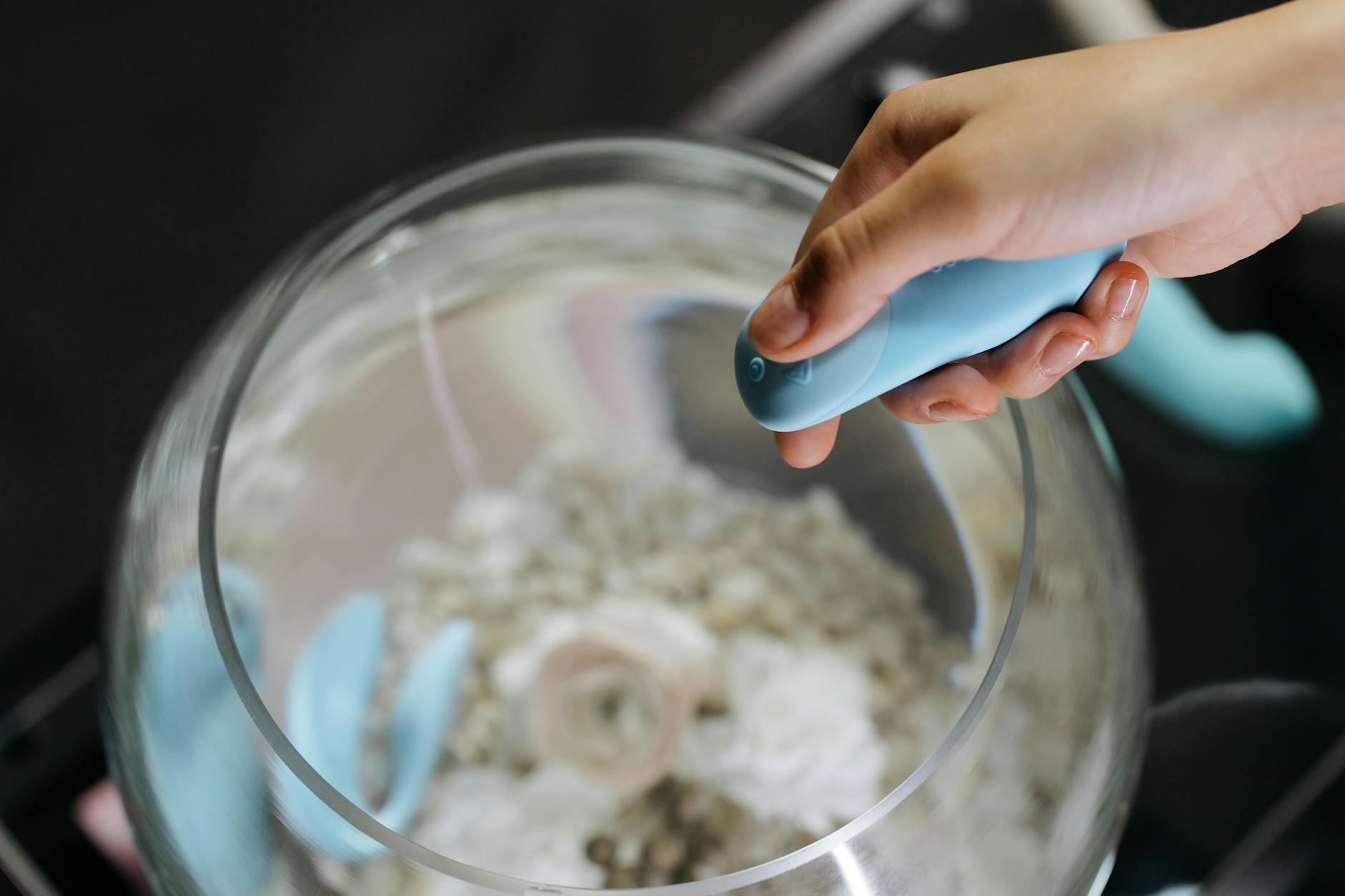
How Lemon Vibrators Help Restore Sensation After Antidepressant Numbness
Let's be real. Antidepressants have given millions of people their lives back. They quieted the noise, steadied the ground, made it possible to get out of bed and feel like yourself again. But that chemical rebalancing often comes with a price tag nobody talks about at the pharmacy: your pleasure gets muted too.
Your body still works. Your clitoris still has every nerve ending it had before. But the signal feels distant, like you're touching yourself through a thick glove. Orgasms take longer. Sometimes they don't come at all. And the guilt of that? That's the real killer, because you know the medication is necessary. You know you needed this.
Here's the thing nobody tells you: this is fixable. Not by stopping your meds. Not by white-knuckling through it. But by understanding what's actually happening to your body and using the right tools. A lemon clitoral vibrator, used strategically, can help restore sensation and pleasure even while you're on an SSRI that flattens responsiveness.
What SSRIs actually do to sensation
Serotoninreuptake inhibitors work by increasing available serotonin in your brain. That's brilliant for mood and anxiety. But serotonin also regulates arousal, lubrication, and how quickly your nervous system fires during stimulation.
When serotonin levels rise, two things happen simultaneously. Your brain stops catastrophizing, which is good. Your genital blood flow and clitoral engorgement also slow down, which feels less good.
The second layer is dopamine. Arousal runs on dopamine. SSRIs can lower dopamine availability, which means the anticipation and excitement phase that normally builds before orgasm gets shorter and quieter. Everything feels like it's happening at half volume.
This isn't psychological. This isn't "in your head" in the pejorative sense. This is neurochemistry. Your brain chemistry changed, and your body is responding correctly to that change.
Why a lemon clitoral vibrator bypasses the SSRI numbness
Traditional vibrators use buzzing or rumbly vibrations that rely on your body's natural responsiveness to build sensation. When serotonin has flattened your responsiveness, those vibrations feel like background noise.
A lemon sucker works differently. The suction technology creates direct pressure changes against the clitoris. It's not waiting for your arousal system to cooperate. It's creating mechanical stimulation that your nervous system has to respond to, regardless of serotonin levels.
Think of it this way. A bullet vibrator is asking your body to wake up. A lemon clitoral vibrator is nudging your body directly into attention. When you're on an SSRI, that nudge matters.
The Lem vibrator's pattern-based approach also helps. Rather than one monotonous buzz, the changing patterns give your nervous system something to track. Your brain can focus on the variation instead of trying to amplify a sensation that feels muted.
Starting over: how to rebuild sensation safely
Resensitization doesn't happen overnight. Your goal isn't to have an orgasm on day one. Your goal is to remember what sensation feels like again.
Start with exploration, not performance. Set aside 20 minutes. No outcome required. Take the Lem vibrator, start at setting one (the gentlest pattern), and move it slowly across your external genitals. Pay attention to where you feel the most sensation. Most people find the upper left side of the clitoris responds first.
Stay there. Don't chase intensity. A lot of people on SSRIs jump to the highest settings, hoping to force an orgasm. That backfires. Your nervous system needs to rebuild the pathway step by step. Spend three to five sessions just at patterns one and two.
Add context. Sensation isn't separate from your mental state. Read something that interests you. Think about a fantasy. Listen to music you love. Your brain's arousal circuits need input too. The Lem vibrator is a tool, but it works best when your mind is engaged.
Track what changes. By session three or four, you might notice sensation spreading. The numbness might start to feel more like a gentle thrum. That's progress. By week two, many people report feeling tingles or small pulses of pleasure they hadn't felt in months.
The timeline nobody talks about
Most antidepressant sexual side effects stabilize after four to eight weeks on the medication. But resensitization takes longer. You're not just waiting for your body to adjust. You're actively rebuilding neural pathways that flattened out.
A realistic timeline: two to four weeks of consistent exploration before you feel obvious changes. Six to twelve weeks before pleasure starts to feel normal again. Some people take months. That's not failure. That's your nervous system doing exactly what it's supposed to do.
The key variable is consistency. Three 15-minute sessions per week will move you faster than one scattered attempt per month. Your nervous system learns through repetition.
When to talk to your doctor
If numbness persists beyond three months of consistent use, or if sensation actually gets worse, that's worth discussing with your prescriber. Sometimes switching to a different SSRI with fewer sexual side effects helps. Bupropion, for example, tends to preserve sexual function better than sertraline or paroxetine.
You're not obligated to accept sexual side effects as the price of mental health. There are options. A good psychiatrist will talk through them with you.
Also: if you're using lube with your lemon vibrator (which you might, since SSRIs can also affect lubrication), use water-based only. Silicone lubes can degrade the toy's surface over time.
The bigger picture: pleasure is part of your health
There's this weird cultural moment where we talk about antidepressants saving lives and also, separately, talk about pleasure mattering. As if those two things are in competition.
They're not. Your mental health and your sexual health are not opposing forces. They're part of the same system. A partner who's present and engaged with you, pleasure that reminds you your body is worth attention, orgasms that feel real again—these aren't luxuries. They're part of recovery.
Your lemon clitoral vibrator is a bridge. It's not a workaround for medication you need. It's a tool that helps your body remember what it's capable of while you're healing.
Frequently asked questions
Can I use a lemon vibrator while on any antidepressant?
Yes. The suction-based stimulation of a lemon clitoral vibrator works across all antidepressant types, though the numbness itself varies by medication. SSRIs like sertraline or paroxetine tend to cause more sexual side effects than others, but sensation numbness is possible with any antidepressant. Start at the lowest settings regardless of your specific medication.
Will using a lemon vibrator interfere with my medication?
No. A vibrator is mechanical stimulation. Your antidepressant works on serotonin reuptake. They're in completely different systems. Using a lemon sucker won't change how your medication works, and your medication won't prevent the vibrator from working. You're not fighting the drug. You're working around its side effect.
How long should it take to feel sensation returning?
Most people notice subtle changes within one to two weeks of consistent use. Real pleasure, the kind that builds toward an orgasm, typically takes four to eight weeks. If you're seeing zero change after three months, mention it to your doctor. Sometimes your antidepressant dose needs adjusting, or you might benefit from augmentation therapy (adding a second medication to counteract sexual side effects).
Can I use a lemon vibrator with my partner to rebuild sensation faster?
Absolutely. In fact, many people find that a partner's touch combined with the vibrator helps rewire arousal faster than solo use. Have your partner explore with you at the lowest settings. The combination of mechanical stimulation plus physical connection and emotional presence can accelerate resensitization. You're not trying to perform. You're just exploring together.
Is numbness from antidepressants permanent?
No. Even if you stay on the medication long-term, sensation typically returns with intentional practice. Your nervous system is adaptable. It flattened in response to the medication. It can rebuild responsiveness through repeated stimulation and the right mental context. This isn't like nerve damage. This is your system recalibrating.
What if my Lem vibrator feels too intense even at setting one?
Start with the vibrator not touching you directly. Hold it an inch away from your skin. Let yourself get used to the sensation through the air. Move it closer over several sessions. You can also wrap it in a thin silicone barrier if that helps. The goal is zero pressure on yourself to feel something right now. Sensation rebuilds when you're patient with the process.
Your antidepressant didn't take pleasure from you permanently. It just turned the volume down for a while so your brain could stabilize. A lemon clitoral vibrator, patience, and consistent practice can turn it back up. You don't have to choose between mental health and sexual health. You get both.
If you're ready to start rebuilding sensation, consider reaching out to a partner or therapist who understands both antidepressant effects and sexual health. You're not alone in this. And you're not broken.