Let's talk about what surgery actually takes from you.
Gynecological surgery, whether it's a hysterectomy, fibroid removal, endometriosis excision, or pelvic reconstruction, doesn't just heal tissue. It rewires your relationship with pleasure. The scar tissue that forms, the nerve endings that regenerate slowly, the psychological weight of being "opened up" and repaired. All of that lives in your body.
But here's what actually matters: pleasure comes back. It's not gone forever. It's just different right now, and that difference is temporary.
Why sensation changes after pelvic surgery.
When a surgeon works in your pelvic region, they're navigating an incredibly dense network of nerves. Some get stretched. Some get bruised. A few might be temporarily damaged. That's not failure on the surgeon's part. It's anatomy. The nerve damage is almost always reversible, though the timeline varies wildly. For some people it's weeks. For others it's months.
Scar tissue itself isn't evil. It's your body's way of sealing and strengthening. But in the early healing phase (first 6-12 weeks post-op), it's tight, sensitive, and doesn't have the same elasticity as healthy tissue. This is why gentle, gradual reintroduction of any stimulation matters so much.
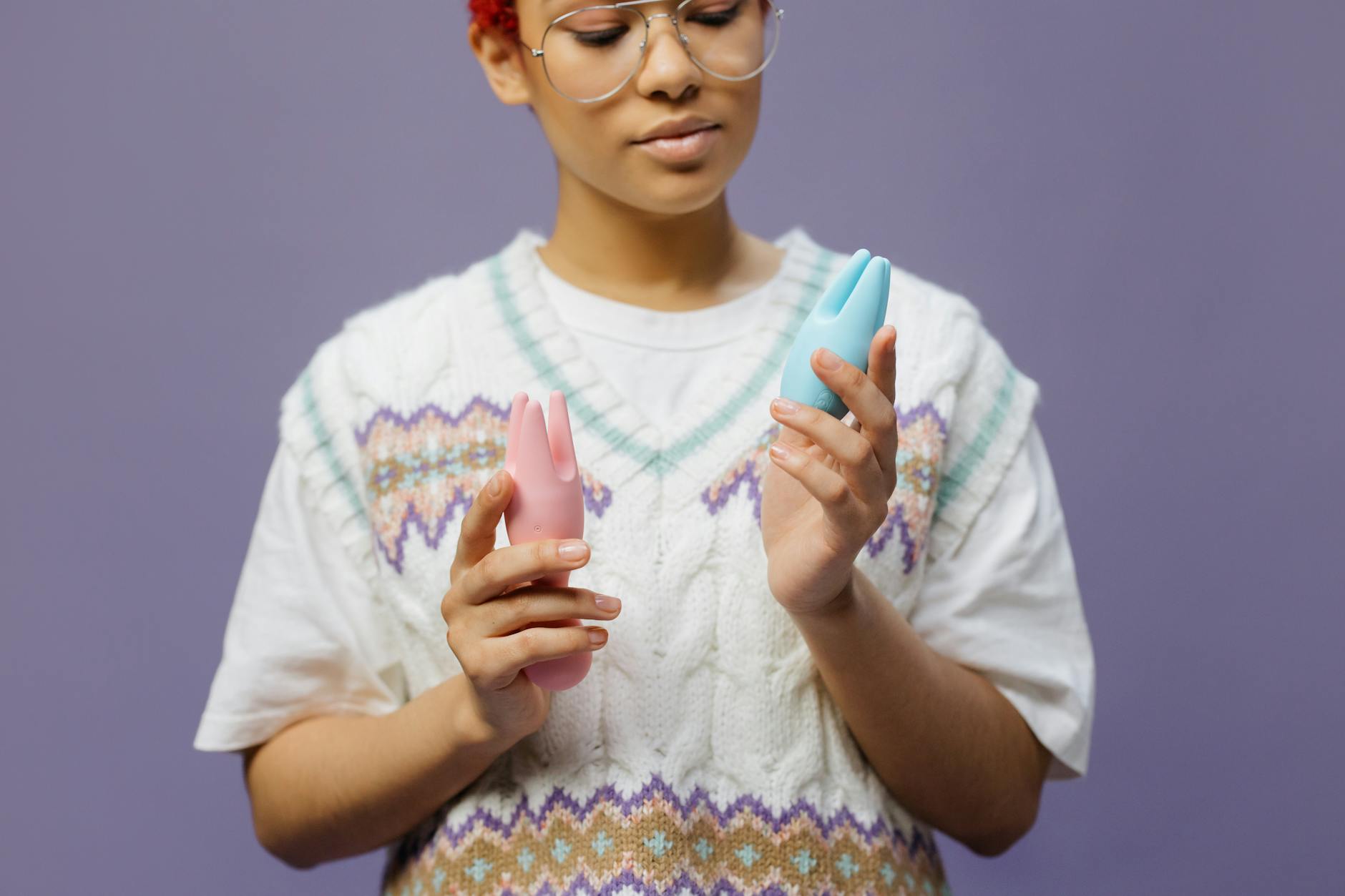
The clitoris has around 8,000 nerve endings. Even if some local inflammation is happening, most of that nerve network is still there, ready to respond. The lemon sucker style of vibrator, which uses gentle suction rather than direct vibration, actually becomes your best tool for this phase because it doesn't require the tissue to stretch or compress the way direct vibration does.
The healing timeline you actually need to know.
Your surgeon probably gave you a standard recovery protocol: no penetration for 6 weeks, light activity resumption at 8-12 weeks, full activity at 12 weeks. These are minimums for tissue closure. They're not timelines for pleasure.
Tissue heals in layers. The outer layer might feel fine at 6 weeks while the deeper structures are still very raw. Scar tissue continues to remodel for up to 2 years post-surgery. This doesn't mean you need to wait 2 years. It means you need to move slowly and pay attention to what you feel.
I recommend this rough timeline to clients:
Weeks 1-4: Absolutely no genital stimulation. Focus on full-body rest and gentle movement only.
Weeks 4-8: If you have medical clearance, you can begin very gentle external touching. No toys yet. Just your own fingers, dry or with a small amount of water-based lubricant, exploring the areas where sensation feels normal.
Weeks 8-12: If there's no pain, swelling, or discharge, you can introduce a lemon clitoral vibrator on its lowest setting for 2-3 minutes maximum. Only if it feels good. Stop immediately if there's any sharp pain or unusual sensations.
Weeks 12+: Gradually increase time and intensity as your body signals readiness.
Starting again with a lemon vibrator: the practical protocol.
When you're ready to use a lemon vibrator after surgery, the entry point is different than normal use. You're not looking for an orgasm. You're gathering information about what your body can feel.
First, check in with your surgeon or gynecologist. Not all surgeries are created equal, and some pelvic procedures require longer abstinence. Get explicit clearance before you try anything.
Then, here's the approach I recommend:
Set up matters. Use a space where you feel secure. You might feel vulnerable post-surgery, and that's completely normal. Dim lighting, warm room, no time pressure.
Start with lubrication. Even if you're producing lubrication normally, add water-based lube anyway. It reduces friction and makes the experience feel safer and more controlled. Your nervous system is hypervigilant right now. Remove one variable.
Use the lowest setting. The Lem vibrator has multiple intensity patterns. Start at level 1 or 2. The goal isn't stimulation yet. It's sensation mapping. You're learning what nerves are waking up and what areas still feel numb.
Apply it externally only. The clitoris is external. Start there, on the least sensitive outer areas first, then gradually move to the glans if it feels good. Never put anything inside.
3 minutes maximum. Set a timer. Stop before you feel fatigue or overstimulation. You're building tolerance slowly, not chasing an outcome.
Notice everything without judgment. Numbness is normal. Tingling is normal. Hypersensitivity is normal. Mild discomfort that isn't sharp pain is normal. Sharp pain, bleeding, or unusual discharge is not normal. Stop and contact your doctor.
Rebuilding psychological safety alongside physical healing.
This is the part doctors don't usually mention because it's not physiological. Surgery violates your sense of bodily autonomy. Someone cut you open. They worked inside you without your conscious awareness. That trauma lives in your nervous system even after the physical healing is done.
When you reintroduce pleasure, you're not just reconnecting with sensation. You're telling your body it's safe to feel again. That it's safe to want. That being touched, even by a toy you control, isn't dangerous.
This is why slow matters so much. Rushing to "normal" pleasure often backfires because it triggers the nervous system's lingering fear responses. You might feel fine physically but still have an emotional block.
Talk to your partner (if you have one) about this explicitly. Tell them what you're doing and why. You're not broken. You're healing. This is different from the pressure to orgasm quickly that lots of people experience, but it's similar in that you need permission to move at your own pace.
Solo exploration with your lemon vibrator can actually be easier than partnered sex right now. You control all variables. There's no performance pressure. Your partner can't accidentally trigger a fear response. Use this phase to rebuild trust in your own body before you bring anyone else into the equation.
Scar tissue sensitivity and what to do about it.
Scar tissue is different from normal tissue. It has fewer blood vessels. It's less stretchy. It sometimes feels itchy or uncomfortable to touch even months after surgery. This doesn't mean something is wrong.
If you're experiencing a lot of scar tissue sensitivity, gentle stimulation with a lem vibrator can actually help. The slight suction and vibration improve blood flow to the area, which speeds up healing and can gradually reduce the weird sensations over time. But only if it doesn't hurt.
You can also work with a pelvic floor physical therapist who specializes in post-surgical recovery. They can do internal scar tissue mobilization, which accelerates remodeling and reduces long-term sensitivity. This is worth doing before you resume any kind of regular pleasure activity.
If scar tissue pain persists beyond 3-4 months, that's something to discuss with your surgeon or a pelvic health specialist. Sometimes adhesions form and need attention. Sometimes there's a nerve issue. Get it checked rather than just trying to work through it.
The milestone moments that mean you're healing.
You'll know your body is ready to gradually increase intensity when:
The sensation feels normal. When you use your lemon vibrator, the feeling registers as pleasure rather than something foreign or clinical.
There's no inflammation response. No swelling, redness, or unusual discharge in the hours after stimulation.
You feel desire. Not right away. But gradually, as your nervous system settles, actual want comes back. That's the signal that healing is progressing well.
Light pressure doesn't trigger fear. You're not bracing or tensing your pelvic floor when you touch yourself. That involuntary tension is a trauma response, and when it starts to release, you know deep healing is happening.
This is a waiting game, and I know that's frustrating. But every person I've worked with who moved through post-surgical recovery carefully came out with a richer, more intentional sense of pleasure than they had before. You're not starting over. You're starting differently.
Questions people actually ask.
How long after surgery can I use any vibrator at all?
Most surgeons clear external genital stimulation around 8-12 weeks post-op, but this varies wildly depending on what was done. Hysterectomy? Different timeline than fibroid removal. Excision for endometriosis? Different again. Ask your surgeon for an explicit green light before you try anything. When they say yes, start with the absolute lowest intensity on your lemon vibrator and go very slowly.
Will a lemon clitoral vibrator feel different on scar tissue?
Yes. At first, the sensation might feel dull or strange because inflammation is still present. That changes as swelling goes down. The suction style of a lemon vibrator is actually gentler on healing tissue than traditional vibrators because it doesn't require the tissue to absorb direct impact. You're getting stimulation without compression, which is exactly what sensitive post-surgical tissue needs.
Can I damage healing tissue by using a vibrator too soon?
Not if you're following the surgical clearance timeline and starting with the absolute lowest intensity. Sharp pain is your signal to stop. Dull discomfort or tingling is usually fine. But if you're using a vibrator before your surgeon has cleared you, yes, you could create inflammation that delays healing. Get the medical okay first. It's just a conversation with your doctor.
What if scar tissue feels numb even months after surgery?
Numbness can persist for up to 6-12 months in some cases because nerve regeneration is slow. Gentle, consistent stimulation with something like a lemon vibrator can actually help activate those regrowing nerve pathways. The suction mechanism is particularly good for this because it doesn't overwhelm newly sensitive tissue. Pelvic floor physical therapy also accelerates nerve recovery significantly.
Should I tell my partner about this timeline before we try having sex again?
Absolutely. The worst case is your partner assumes you're ready when you're not, and then they make a move that triggers pain or fear. Have a direct conversation: "My surgeon cleared me for external stimulation, but I'm moving slowly with intensity levels because sensation is still coming back. I'll let you know what feels good and when I want to gradually increase things." Most partners appreciate the clarity and want to support your healing anyway.
Is it normal to feel emotionally vulnerable when you start using toys again after surgery?
Completely. Your body has been through trauma. Even if the surgery was medically necessary and successful, your nervous system might still be in protection mode. You might cry when you feel pleasure again. You might feel a wave of relief or grief. All of that is healing. Go slowly, be kind to yourself, and don't rush the reconnection with your own body.
Surgery changes things, but it doesn't end things. Your capacity for pleasure is still there, waiting for you to rebuild slowly and safely.