Let's start with what nobody talks about
Open relationships require more communication, not less. And somewhere in that avalanche of "rules we set" and "boundaries we agreed on," a lot of couples lose track of actual pleasure. They're so busy managing the logistics of multiple partners that the intimacy between them erodes.
I see this pattern constantly in my practice. Two people who love each other, who intentionally chose non-monogamy together, who set boundaries with care. And then six months in, they're having sex out of obligation, or not at all, because the trust has gotten tangled up with comparison and jealousy.
A lemon vibrator won't fix a broken conversation. But it can be the thing that reminds you why you wanted this freedom in the first place.
The trust gap that opens when pleasure stops
Here's the dynamic I watch happen: In monogamous relationships, there's a fixed amount of sexual energy in the system. You're either having sex with your person or you're not. Open relationships flip this. Suddenly there's potential energy everywhere. Your partner is having sex with someone else, and you're okay with that intellectually. But emotionally, your nervous system is tracking something different.
When sex between the two of you slows down, your brain starts doing a cost-benefit analysis. "Are they getting more pleasure with their other partner? Do they still want me? Am I not enough?" These questions don't have answers from logic. They have answers from touch.
So couples who maintain strong sexual connection with each other, even while having sex with other people, tend to stay secure. The ones who let that connection fade tend to get jealous, resentful, and eventually they end the open arrangement or the relationship itself.
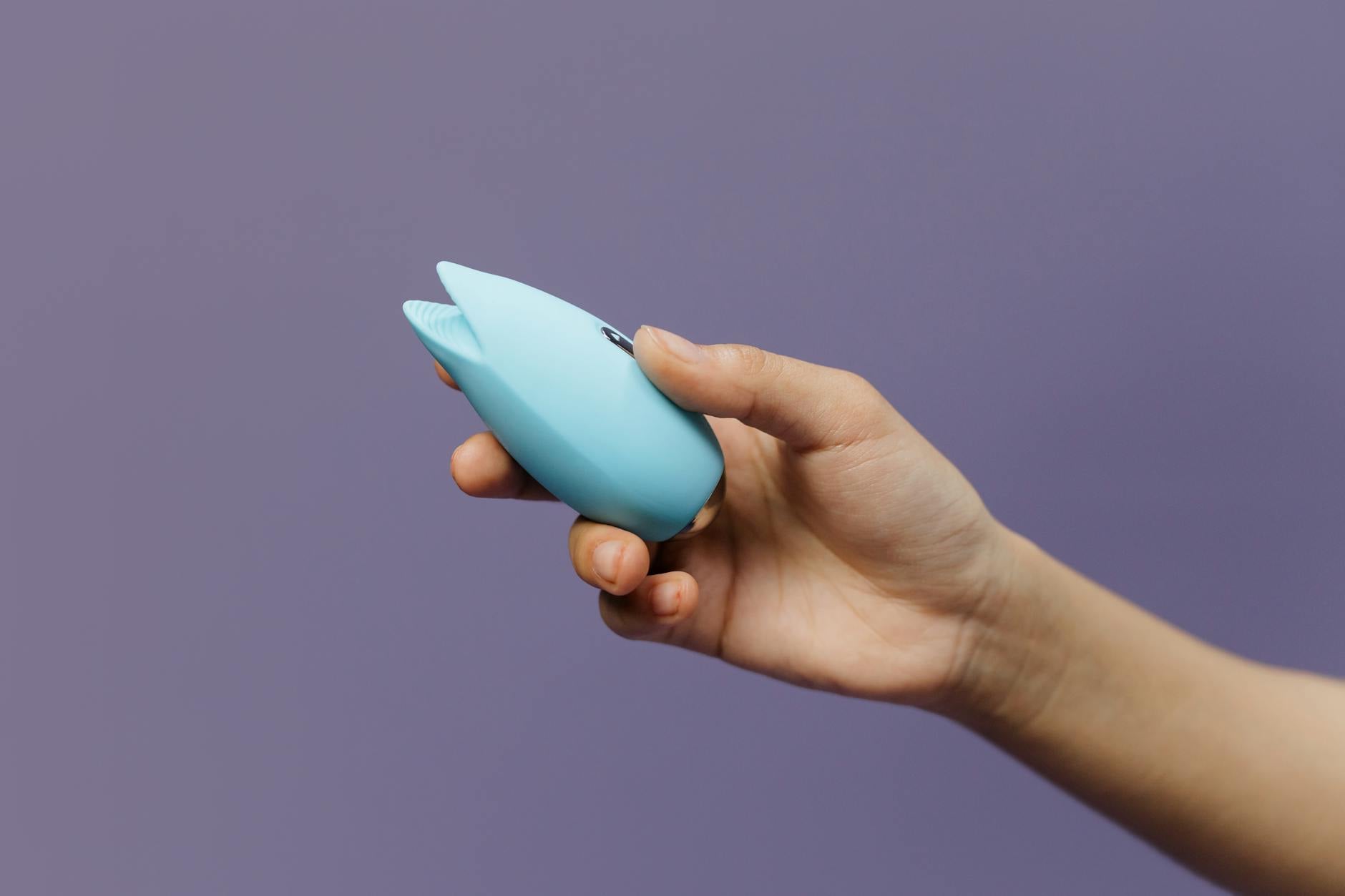
A lemon clitoral vibrator becomes a conversation starter because it's explicit. It says: "I want to prioritize pleasure with you. Not instead of my other relationships. Alongside them."
Why lemon vibrators specifically help here
Three reasons are practical. One is psychological.
Practical reason one: They're not about him. A lot of partnered sex centers on penetration, which is great, but it also centers on having a partner with a penis. When you bring a lemon vibrator into the mix, you're centering clitoral pleasure, which means you're centering the person with the vulva. Not competing with anyone else. Not comparing. Just you and sensation.
Practical reason two: They work fast. Open relationships are often time-constrained. Maybe you have a babysitter for three hours, or you're stealing an afternoon between his other commitments. A lemon sucker-style vibrator gets to orgasm in five to ten minutes for most people. You're not racing, but you're also not waiting. The efficiency is actually intimate because it shows: I chose to spend this time with you.
Practical reason three: They're collaborative. You can use a lemon vibrator during partnered sex, or one partner can use it while the other touches them, or they can take turns. It's not a replacement for your partner. It's a third element that creates different sensations. That matters because open relationships are already about inviting other elements into your sexual life. The vibrator doesn't feel threatening in the same way another person might, but it does practice the same skill: sharing pleasure without zero-sum thinking.
The psychological reason is deeper. When you use a clitoral vibrator together, you're in a vulnerable position. You're asking for specific stimulation. You're letting someone see you pursue your own pleasure without shame. That vulnerability is what erodes in couples where jealousy has taken root. Bringing it back, through something concrete like a lemon vibrator, can rebuild the trust that got soft.
How to introduce this without it feeling like a Band-Aid fix
The temptation in open relationships is to treat sex like a logistical problem. Schedule it. Optimize it. Use the right toy. Done.
That approach will fail because it skips the actual conversation.
Here's what I recommend instead: Don't bring a lemon vibrator to bed as a surprise. Talk about it first. Not theoretically, not in your standard "relationship check-in." Actually talk about pleasure.
Say something like: "I've noticed our sex has gotten quieter. I miss the intentionality we used to have. I want to try something that might help us get back there."
Then ask your partner what they want. Not in a way that sounds like a chore. But genuinely. "When we used to have good sex, what was the difference?" "What would make this feel fun instead of obligatory?"
The lemon clitoral vibrator becomes the physical embodiment of that conversation. It's not the solution. It's the evidence that you're both willing to show up.
What changes when you actually use it
Physically, your partner will notice that you orgasm more easily. Psychologically, they might notice that you're more present. You're not in your head thinking about their other partners or comparing yourself. You're in your body.
Over time, this creates a different kind of jealousy. Instead of "are they getting better sex elsewhere," it becomes "I want that attention back." That's the jealousy that actually bonds people, because the answer is simple: yes, you can have it.
I've had couples tell me that adding a lemon vibrator to their intimate life was the thing that made their open relationship feel sustainable. Not because the vibrator fixed anything. But because using it together required them to be honest, vulnerable, and collaborative. Which are the three things an open relationship actually needs to survive.
The conversation people skip (but shouldn't)
One thing I notice: a lot of people in open relationships avoid talking about jealousy directly. They talk around it. "I'm just tired." "Work has been intense." "I don't know what I want right now."
But in my experience, jealousy in an open relationship isn't a personal failing. It's information. It's your nervous system telling you that you need more reassurance, more presence, more physical affection from the person you committed to.
A lemon vibrator can't replace that conversation. But it can be the place where you have it. Because when you're using one together, you're forced to talk about sensation, timing, pressure, what feels good. You're practicing being direct about what you want. That skill transfers to every other conversation in the relationship.
When to get professional support
If you're using a vibrator and the sex still feels mechanical or obligatory, that's a sign that the trust work is deeper than toys can fix. Which is fine. That's what therapists are for.
I typically recommend couples counseling for open relationships before they start, and then at natural checkpoints: six months, a year, when someone starts seeing a new partner. A good therapist can help you untangle jealousy, logistics, and desire separately, which is hard to do alone.
If you're in a relationship where talking about pleasure feels impossible, that's a flag too. A lemon vibrator won't make communication easier if the foundation isn't there.
People also ask
Can you use a lemon vibrator in partnered sex if one partner is uncomfortable with toys?
Absolutely, but the discomfort matters. If someone thinks vibrators are emasculating or less "real," that's a belief worth examining together. If someone has had a bad experience, or feels left out, those are real concerns that need their own conversation. A vibrator can't fix that. But a therapist can help you both get to the root of why it feels threatening.
How do you manage jealousy if one partner enjoys the vibrator more than partnered sex?
That's honesty you need to hear. Sometimes the issue isn't jealousy. It's that your partner is getting more pleasure elsewhere, which means something about your sex together isn't landing. A lemon clitoral vibrator can highlight that, which is uncomfortable but useful. It's information, not rejection.
Do you need to tell your other partner you're using toys together?
That depends on your specific relationship structure and agreements. Some people share everything. Others keep their primary partnership sex separate. The key is consistency with whatever agreements you've already made. Don't introduce a lemon vibrator as a secret. If secrets are how your open relationship operates, you've got bigger problems.
Can a vibrator actually restore intimacy if the relationship is already struggling?
Not on its own. But it can be a starting point. It creates a moment where both people are being honest about desire. That moment can be enough to restart a conversation that had gone quiet. Then the real work can begin.
Is there a difference between using a lemon vibrator alone versus together?
Yes. Solo use is about self-knowledge and pleasure. Using one together is about vulnerability and collaboration. Both are important, but they serve different purposes. In open relationships, the together version matters more because it's the place where you rebuild the physical bond that outside partners can strain.
How often should you use a lemon vibrator to feel the intimacy benefit?
Frequency matters less than consistency. Once a week is better than once a month. But one really present, intentional session is worth more than five obligatory ones. The goal isn't quantity. It's remembering that this person is worth showing up for, even when other partners are in the picture.
The bottom line
Open relationships work when both people stay rooted to each other, not despite the multiple partners, but because of the intentionality required to make it all function. A lemon vibrator is one tool for that intentionality. It's not the only one, and it won't fix a broken foundation.
But if you're in an open relationship where the spark between you has dimmed, where you're managing logistics instead of sharing pleasure, a lemon clitoral vibrator can be the thing that reminds you both why you chose each other in the first place. Sometimes that reminder is enough to rebuild trust. Sometimes it's the conversation starter that leads to something deeper. Either way, it's worth trying.
If you want to dig deeper into how to rebuild intimacy after life transitions, check out our guide on how lemon vibrators help couples reconnect without performance pressure. And if communication is the real sticking point, how to use lemon vibrators with partners who've never seen one before has some practical scripts that might help.
The most important thing: your pleasure matters. Your partner's pleasure matters. And the connection between you matters more than any external relationship structure. Tools help. Conversation helps more.