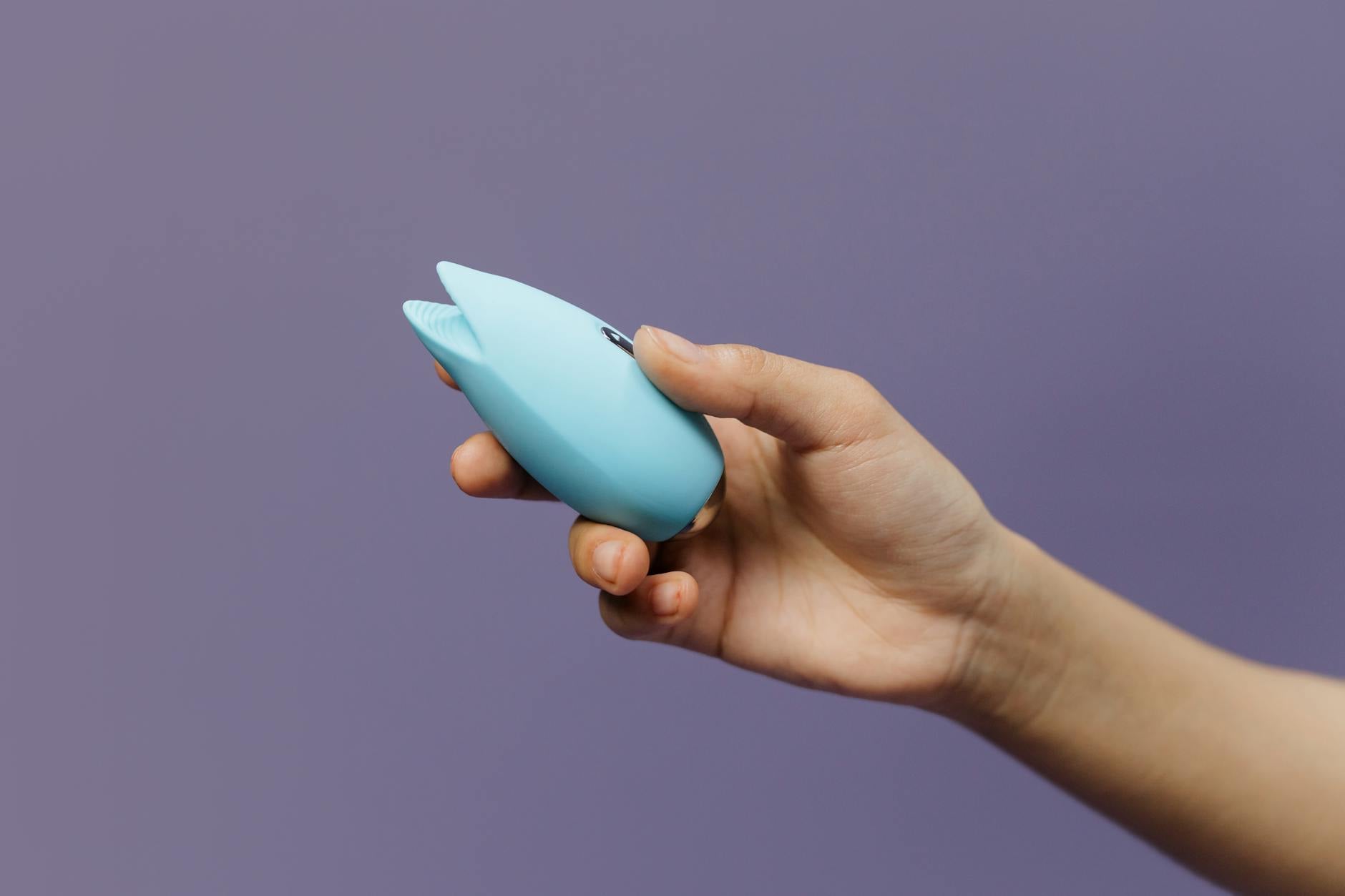
Let's start here
Sexual trauma and anxiety rewire your nervous system. Your body stops trusting pleasure because pleasure got tangled up with pain, betrayal, or violation. Rebuilding that trust takes time, patience, and—honestly—a lot of self-directed exploration in a space where you control everything.
That's where solo play with a tool like a lemon clitoral vibrator becomes therapeutic, not just pleasurable.
Why partners can't fix this alone
Here's what I see in my practice all the time. After trauma, couples try to force intimacy back into the bedroom because the cultural script says that's how you "heal." It rarely works, and here's why.
When your nervous system associates sexual touch with danger, adding another person into the equation doesn't speed up healing. It can actually trigger more defensiveness. Your brain is literally trying to protect you. That's not a trust problem with your partner. It's a survival mechanism doing its job.
Before you can rebuild partnered intimacy, your nervous system needs evidence that pleasure is safe again. And the safest place to gather that evidence is alone, with a tool designed to feel good without complication.
What lemon vibrators do differently
Lemon clitoral vibrators work in three specific ways that matter for trauma recovery.
First, they give you control. You choose the pattern, the intensity, when to stop. No negotiation, no performance, no pressure to feel anything other than what you actually feel. This agency alone is restorative. Your body gets to remember what it's like to direct its own pleasure.
Second, they're predictable. A lemon vibrator does the exact same thing every time you press the button. No surprises, no guessing what's coming next. For someone whose nervous system has been flooded by unpredictability, this consistency is deeply grounding. Over time, your brain learns: this is safe.
Third, they isolate sensation. Unlike partnered sex, a lemon sucker or clitoral vibrator focuses stimulation in one place without the complexity of eye contact, performance pressure, or the need to manage someone else's experience. You can concentrate purely on physical sensation without the cognitive load of relating.
How your nervous system heals through solo exploration
This is the part most people don't understand about trauma recovery. Healing isn't about willpower or "getting over it." It's about building new neural pathways where pleasure feels safe again.
When you use a lemon clitoral vibrator in a space where you feel completely safe—alone, with the door locked, on your own timeline—your nervous system gets a chance to process sensation without threat. You're building new associations: stimulation without violation. Arousal without fear.
Doctors and therapists call this "somatic experiencing." You're teaching your body that pleasure can happen without danger attached. That takes repetition, patience, and a lot of self-compassion on the days when your nervous system says no.
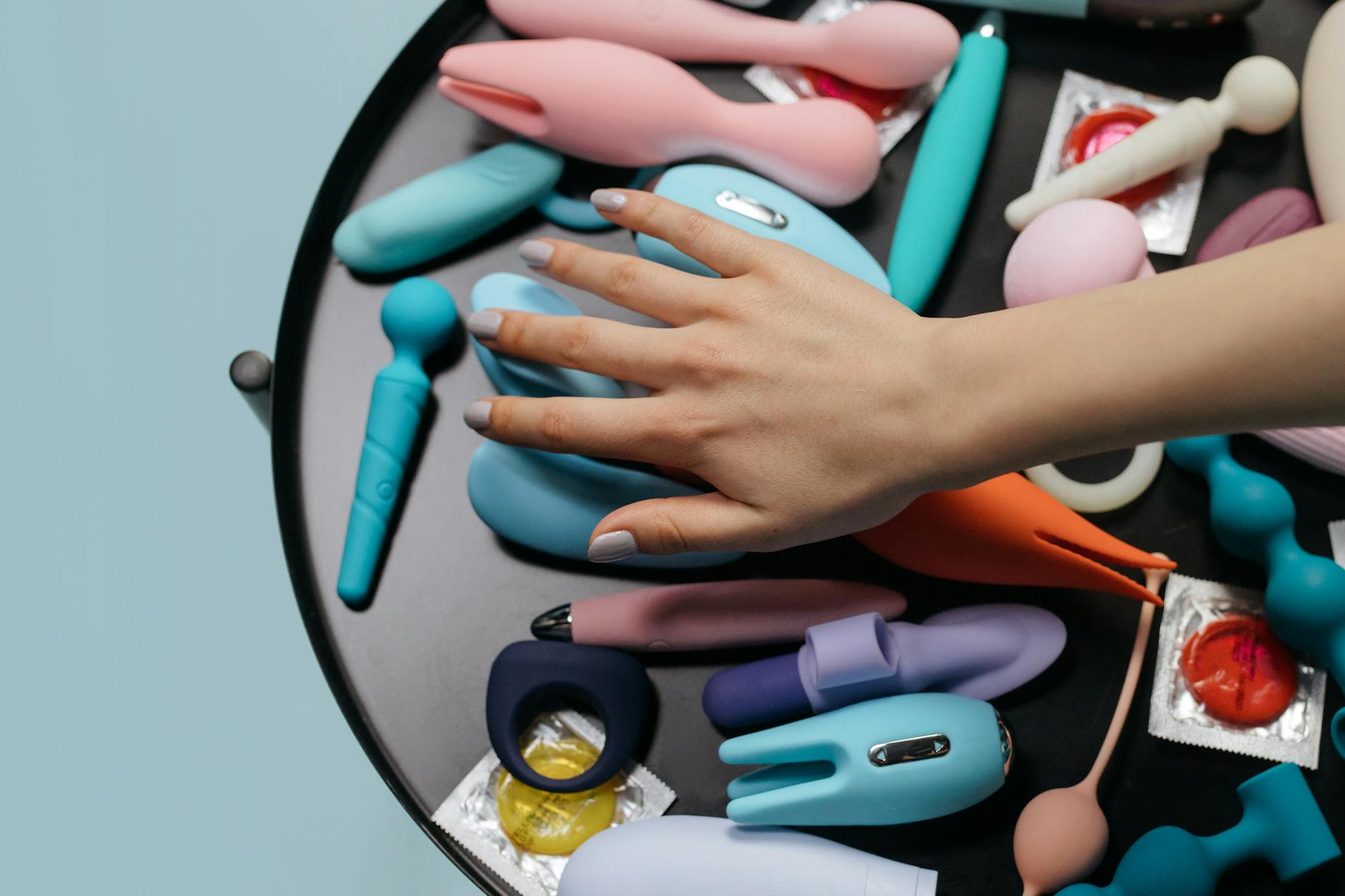
Photo by cottonbro studio on Pexels
Practical steps for starting again
If you're rebuilding after trauma, here's what I recommend.
Create a ritual, not a performance. Set aside 15 or 20 minutes when you know you won't be interrupted. Light a candle if that helps. The goal isn't an orgasm. The goal is to reconnect with sensation without judgment.
Start with no pressure. Some days you'll use your lemon vibrator and feel nothing but curiosity. Other days you'll feel pleasure. Both are correct. Your only job is to notice what your body tells you.
Expect your nervous system to say no sometimes. Trauma survivors often experience freeze responses or sudden anxiety mid-session. That's not failure. That's information. Your nervous system is telling you it needs something different. Honor that. You can always try again later.
Use resources like Hello Nancy's guides. When you're learning how to use a lemon vibrator for the first time, getting clear practical information removes shame and confusion. That matters.
The role of self-compassion
This is non-negotiable. Your nervous system didn't break because you're broken. It adapted to protect you. Healing means treating yourself with the same kindness you'd offer a friend in the same position.
Some days you'll feel disconnected from pleasure. Some days your body will feel like it belongs to you again. Both are normal. Progress isn't linear, and it's definitely not fast. Most of my clients take months or longer to feel genuinely comfortable with their own body again.
Lemon vibrators help because they're a tool of control and consistency. But the real work is in the self-talk. Every time you show up for yourself in that space, you're sending a message to your nervous system: you're worth taking care of. You deserve to feel good. Your pleasure matters.
When to bring a partner back in
There's no timeline. But generally, you're ready for partnered intimacy when you can experience pleasure alone without it being overshadowed by fear. That usually means you can have a full solo session and feel more grounded afterward, not worse.
If you're in a relationship, tell your partner what you're doing and why. Most partners feel relieved to know you're actively healing rather than just avoiding sex. You might also explore something like how lemon vibrators keep long-distance relationships connected if you're navigating the rebuilding phase across distance.
When you do come back to partnered intimacy, start small. Maybe that's just being naked together without sex. Maybe it's a slow hand massage. Let it be experimental and pressure-free.
Addressing sensitivity concerns
Many trauma survivors have heightened sensitivity in the genital area. If that's you, start at the lowest intensity setting on your lemon clitoral vibrator and work up slowly. Some people find that lemon vibrators designed for sensitive skin feel more manageable because the suction pattern is gentler than traditional vibration.
Never push yourself to feel pleasure you don't feel. The goal is to rebuild the pathway, not to force sensation.
FAQ: Healing and solo pleasure
Is it normal to feel nothing during solo exploration after trauma?
Completely normal. Emotional numbing is a common trauma response. Your nervous system might be protecting you from feeling too much too fast. Try shorter sessions and focus on grounding techniques like breathing or noticing textures rather than chasing sensation. Pleasure will return, but not on a schedule.
Should I tell my partner I'm using a lemon vibrator as part of healing?
It depends on your relationship and whether your partner is part of your healing support. If they are, transparency usually helps because it removes shame and allows them to understand what you're doing. If your relationship feels unsafe, your solo exploration is your own private recovery tool.
How long does it take to feel pleasure again after sexual trauma?
This varies widely. Some people feel shifts within weeks. For others, it takes months or years. There's no timeline. What matters is consistency and self-compassion, not speed.
Can lemon clitoral vibrators cause more anxiety if I'm already triggered?
Sometimes, yes. If using a lemon vibrator triggers panic or flashbacks, stop. Try grounding techniques first (5-4-3-2-1 sensory awareness, breathing), and consider working with a trauma-informed therapist alongside solo exploration. The tool should feel safe, not scary.
Is using a vibrator alone "enough" for healing?
No. Solo play is one part of healing. You might also benefit from therapy, body-focused work like somatic experiencing or EMDR, time, and possibly partnered support. A lemon vibrator is a tool, not a cure. Use it as part of a broader healing practice.
What if I still can't orgasm even after months of exploration?
Orgasm isn't the goal. Reconnection with your own body is. Anorgasmia after trauma is real and common. Keep exploring without outcome pressure. You might find that working with a sex therapist who specializes in trauma makes a difference too.
The bottom line
Rebuilding pleasure after trauma is an act of reclamation. Every time you choose to explore your own body in a safe space, you're telling your nervous system: this part of my life is mine again. That matters more than any orgasm.
A lemon clitoral vibrator is just a tool. But it's a tool that says control, consistency, and pleasure without complications. Your healing timeline is your own. Move at your pace, show yourself grace, and trust that your body's capacity for pleasure isn't gone. It's just waiting for you to feel safe enough to access it again.