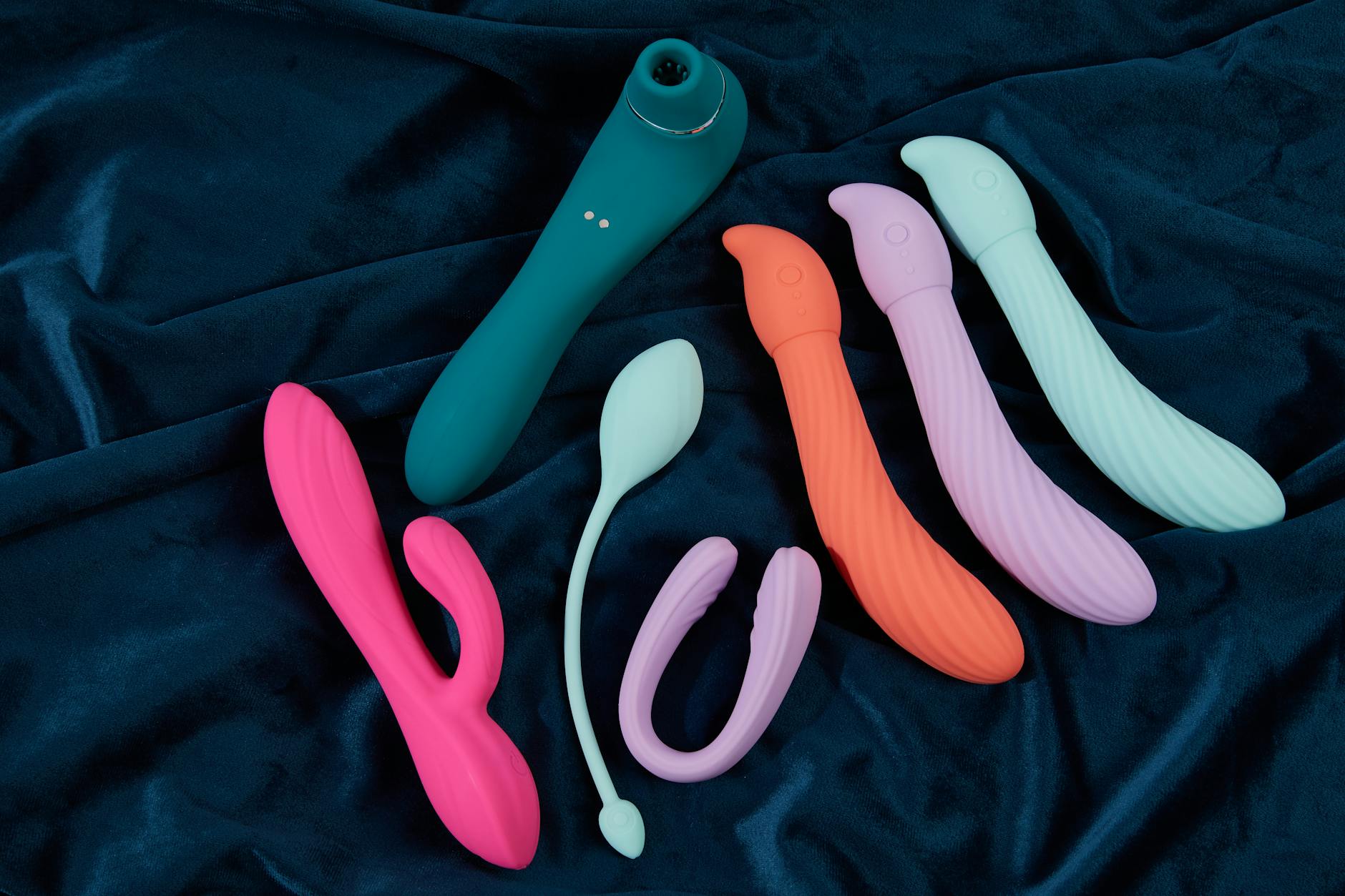
Lemon Vibrator for Sensitive Skin: Materials That Won't Irritate
Let's be real: itching, burning, or irritation after using a vibrator is not something you have to just accept. Lots of people assume their skin is "too sensitive" for toys, when really the issue is the toy itself. The good news is that material quality matters, and it's completely fixable.
If you've had reactions to silicone toys before, or if your skin just tends to react badly to new products, this is your roadmap to finding a lemon vibrator (or any clitoral vibrator) that works for your body.
What actually causes vibrator sensitivity
Most reactions come from one of three culprits: phthalates (plasticizers that make cheap silicone bendy), fillers, or incomplete cure. Budget vibrators often use low-grade silicone mixed with mystery fillers to cut costs. That's where the irritation usually starts.
Here's the thing: high-quality medical-grade silicone is actually one of the least allergenic materials you can put on sensitive skin. The issue isn't silicone itself. It's cheap silicone.
Some people also react to toy coatings or additives used to reduce tackiness. Even high-end toys sometimes use these, which is worth knowing. And then there's the simple fact that new silicone can leach small amounts of uncrosslinked polymers until it's been used and cleaned a few times.
Medical-grade silicone: what it actually means
Medical-grade silicone has undergone biocompatibility testing. It's the same material used in breast implants, catheters, and pacemakers. That's not marketing fluff. It means the material has been tested for cytotoxicity, sensitization, and irritation.
When a toy brand says "medical-grade silicone," they should be able to back that up with a batch certificate or third-party testing. If they can't, it's probably marketing speak, not fact.
For sensitive skin specifically, medical-grade matters. It means fewer fillers, lower phthalate levels (or none), and better overall consistency. You're paying for purity, which translates to fewer reactions.
Lemon clitoral vibrators from reputable brands use this standard. The Lem, for instance, is made from premium silicone that's been formulated specifically to be body-safe. That's a meaningful difference from a generic vibrator you'd find at a gas station.
Non-silicone options for severe sensitivities
If silicone has consistently caused problems, you have alternatives.
Glass or ceramic toys are fully non-porous and non-reactive. They're harder than silicone, so the sensation is different, but many people with severe sensitivities swear by them. Glass can feel cold initially, but body warmth changes that quickly. The downside: they break if dropped, and they're heavier.
Stainless steel is another bulletproof option. It's completely inert, easy to clean, and lasts forever. Some steel toys are coated or plated, which can wear over time. Look for solid stainless steel.
ABS plastic (the hard plastic used in good-quality toys) is also an option, though it's less popular in clitoral vibrators because it doesn't give quite the same sensation as silicone. It's durable and non-reactive.
The trade-off: non-silicone toys tend to cost more and have fewer design options. But if you're reacting badly to every silicone toy you try, spending extra on a non-silicone option might save you months of frustration.
How to test a new vibrator safely
If you're trying a lemon vibrator or any new toy for the first time and you have sensitive skin, a patch test isn't silly. It's smart.
Wash the toy thoroughly with warm soapy water and let it air dry completely. Then apply it to a small area of skin (inside your wrist, behind your ear, or your inner thigh) for 5-10 minutes without activating it. If no redness, itching, or burning appears in the next few hours, you're probably fine.
Next time, use it briefly in a low-sensitivity area before moving to more delicate tissue. Pay attention to any burning, stinging, or itching. Some mild tingling is normal if a toy has peppermint oil or menthol, but actual pain isn't.
Also: cleanliness matters massively. A new toy should be washed before first use, and every use after that. Bacteria, dust, or dried fluids can cause reactions that have nothing to do with the material itself. Use warm water and unscented soap, or a toy-specific cleaner.
Lubricant + vibrator chemistry
Sometimes the reaction isn't the toy. It's the lubricant.
Water-based lubes are safest with silicone toys and least likely to cause irritation. Oil-based and silicone-based lubes can degrade silicone or trap bacteria. But even within water-based lubes, some people react to glycerin, parabens, or scents.
If you're sensitive, start with fragrance-free, paraben-free water-based lube. Brands like Yes, Sliquid, or basic saline work for most people. If you're still reacting, consider switching to plain water or a lube specifically labeled hypoallergenic.
Also: if you're using any medications (antihistamines, hormonal birth control, topical steroids), they can change how your skin reacts. That's worth mentioning to your doctor if irritation is new.
The role of moisture and pH balance
Sensitive genital skin thrives at a specific pH (around 4.5). Disrupting that opens the door to irritation, yeast infections, and bacterial vaginosis. A toy won't directly change your pH, but lubricant choice and cleaning practices can.
If you notice irritation appearing a day or two after toy use (not during), that's often a pH or microbiome issue, not a material reaction. You might need a different lubricant, or you might need to rinse more thoroughly after use.
Some people also benefit from a gentle rinse with plain water after toy use, without any cleansing product. That can help reset your pH faster.
Storing toys to avoid contamination
How you store a vibrator matters for sensitive skin. A toy sitting in a humid bathroom drawer will collect bacteria and mold. That's a fast way to trigger irritation that has nothing to do with the silicone itself.
Keep toys in a clean, dry place. A breathable fabric pouch (not airtight plastic) is ideal. Keep them away from extreme temperatures and direct sunlight. If you're storing multiple toys, keep them separated so silicone doesn't interact with other materials.
Before storage, make sure the toy is completely dry. Any remaining moisture creates an environment for microbial growth.
Why the Lem works for sensitive skin
The Lem is built specifically for sensitive tissue. It's medical-grade silicone with no fillers, no phthalates, and no mystery coatings. The design of the lemon clitoral vibrator means stimulation happens through suction and gentle pulsing, not hard rubbing, which is gentler on reactive skin.
Because it's air-pulse technology, not traditional vibration, it distributes pressure differently than a standard vibrator. For people with friction sensitivities, that's often a game-changer.
But even the Lem needs to be tested if you've had reactions before. The patch test method I mentioned earlier still applies. Most people tolerate it beautifully, but "most" isn't "all."
When to see a doctor
If you're reacting to every toy you try, across different materials and brands, the issue might not be toy sensitivity at all. Chronic vulval sensitivity can point to dermatological conditions, hormonal shifts, or infections that need actual treatment.
A gynecologist or dermatologist can do a patch test with actual materials and help identify what's causing the reaction. That's a worthwhile conversation before you keep buying toys and hoping one sticks.
Similarly, if irritation appears only after partner use (or only after solo use), that's clinical information worth mentioning. It can help narrow down what's actually happening.
FAQ
What's the difference between "silicone" and "medical-grade silicone"?
Not all silicone is created equally. Standard silicone can contain fillers, plasticizers (like phthalates), and other additives that cut costs but increase irritation risk. Medical-grade silicone has undergone biocompatibility testing and contains fewer or no problematic additives. Look for brands that provide batch testing certificates.
Can I use a lemon vibrator if I have latex allergies?
Yes. Silicone and latex are completely different materials. People with latex sensitivities have no inherent risk with silicone toys. That said, if you have multiple material sensitivities, patch test before full use.
Does boiling a vibrator help remove irritants?
Boiling can help, but only for non-electronic toys. For the Lem and most clitoral vibrators with motors, boiling is a no-go. Stick to warm soapy water or a toy-specific cleaner. For silicone toys that are totally non-electronic, boiling for 10 minutes can help remove lingering residue, though it's not necessary for most people.
Is it normal to feel slight burning when using a new vibrator?
A tiny bit of warmth from friction is normal. Real burning, stinging, or pain is not. If discomfort appears immediately and persists, stop and rinse well. If it happens every time, the material might not be right for you.
How long does it take for silicone to "cure" after purchase?
High-quality silicone toys are cured before they leave the factory, so they're safe immediately. Some people let new toys sit unwrapped for a few days to air out any factory smell, but that's about odor, not safety. The smell goes away regardless.
What if I'm reacting to lube, not the toy?
Switch to a fragrance-free, paraben-free water-based lubricant and try again. If the irritation disappears, the lube was the culprit. Keep a note of which brands work for you, because sensitivity doesn't always transfer between lubes. Your body has preferences.
The bottom line
Sensitive skin doesn't mean you can't enjoy clitoral vibrators. It means you need to be intentional about material quality, testing, and aftercare. A lemon clitoral vibrator made from medical-grade silicone, tested before use, and cleaned properly afterward will work for most people with sensitive skin.
If it doesn't, you have alternatives. Glass, steel, and quality plastic all exist and work beautifully. The point is to stop assuming your skin is "too sensitive." It's not. You just haven't found the right toy yet. That's completely fixable.
If you want a deeper dive into vibrator materials and how they're tested, the Complete Guide to Lemon Vibrators covers the full landscape. And if questions come up, reach out to the team at Hello Nancy. We're here to help you find something that actually works.