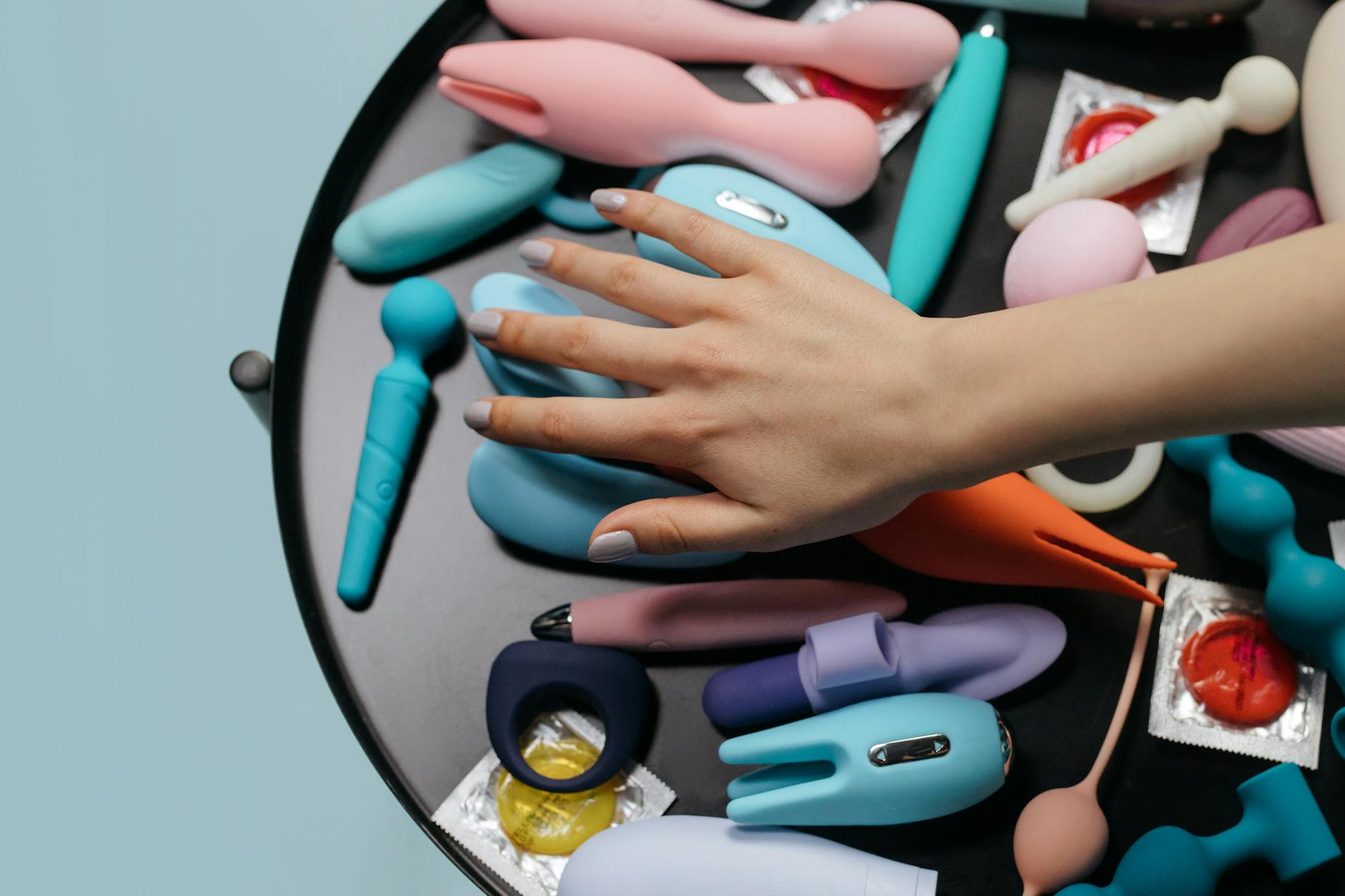
Let's be real about shared pleasure
You've used your lemon vibrator solo a hundred times. You know exactly how it feels, where the sweet spot is, how long it takes to build to the kind of orgasm that makes your whole body hum. Then your partner shows interest, or you invite them into the moment, and suddenly everything shifts. The sensation doesn't change. Your nervous system does.
This isn't psychological weakness or insecurity masquerading as biology. It's actual neuroscience. And understanding it removes the shame from the experience entirely.
How your brain rewires when someone's watching
When you're alone, your entire neurological focus can narrow onto the physical sensation. The lemon's gentle suction, the rhythm you've chosen, the building intensity. Your insula (the brain region that processes internal body sensations) is lit up like a Christmas tree.
The moment a partner enters the room, a different network activates. Your mirror neurons start firing, which means your brain is now tracking not just your own sensation but anticipating theirs. Your amygdala (emotion center) engages because there's social presence. Your prefrontal cortex (the thinking brain) activates because you're now managing vulnerability and trust in real time.
This simultaneous activation of multiple neural networks actually intensifies orgasm for many people. You're not just feeling pleasure. You're feeling witnessed during pleasure. For most humans, that's a profoundly different neurological state than solo sensation.
But here's the friction point: that same multi-network activation can also create performance anxiety, self-consciousness, or what researchers call "spectatoring" — basically, you're watching yourself be watched, which fragments your focus.
Why presence amplifies sensation (when it goes right)
When you're using a clitoral vibrator with a partner present and you actually trust the moment, three things happen:
1. Involuntary vocalization increases. Sounds you might suppress when alone emerge naturally. Your partner hears your pleasure, which triggers their own reward circuitry. The feedback loop amplifies the whole experience.
2. The pleasure circuit deepens. Your dopamine response to the vibrator itself is actually enhanced by the presence of someone you're bonded with. Attachment and arousal are using partially overlapping neural pathways. They amplify each other.
3. Orgasm itself changes shape. Solo orgasms tend to be more clitoral and concentrated. Partner-present orgasms often involve the whole pelvic floor, deeper muscle contractions, and a longer resolution phase. The sensory input from knowing your partner is witnessing this creates a feedback that intensifies the full-body response.
This is why many people report that orgasms with a lemon vibrator feel "better" or more intense when their partner is involved. It's not better in a way that suggests solo pleasure is deficient. It's just different. Both are legitimate.
The anxiety piece (and how to move through it)
Not everyone's first experience with partner-present vibrator use is seamless. If you're navigating this transition, the most common friction points are these:
You're worried about looking awkward or unsexy. Here's what I tell my clients: the most erotic moments in long-term partnerships are almost always the ones where someone is visibly, uncontrollably experiencing pleasure. Vulnerability reads as confidence. Your body in pleasure is not awkward. It's magnetic.
Your partner might have weird feelings about the toy. This is addressable with one conversation, ideally not during sex. Something like, "I love using this alone. I'd also love to explore it with you present. Would that feel good to you?" If they say no, that's data. If they're hesitant, ask what's coming up for them. Often it's not the tool. It's fear that they're not enough, which is a different conversation entirely and totally worth having.
You might freeze up mid-experience. Totally normal. Your sympathetic nervous system (fight-or-flight) can override parasympathetic (rest-and-digest) when shame or old messaging about sex kicks in. The solution isn't to push through. It's to pause, breathe, and reconnect with what you actually want in that moment. Sometimes that means continuing. Sometimes it means slowing down. Sometimes it means stopping and trying again next week. All of those are fine.
How to ask without the awkwardness
Most couples don't struggle with the actual physical mechanics of using a lemon vibrator together. They struggle with the asking part.
Here's what works: specificity and lightness. Not "I've been thinking we should spice things up" (which can feel like an indictment). Instead, "I've been using the lemon vibrator alone and it feels amazing. I'd love for you to watch next time, or even touch me while I'm using it. Would that be something you'd want to try?"
Then stop talking. Let them respond. Don't oversell it. Don't apologize for wanting it. You're not asking permission to want your own pleasure. You're inviting them into it.
If they want to participate beyond watching, great. Some partners like to stimulate other areas while you're using the vibrator. Some like to hold it for you. Some like to guide it. Some like to use it on you themselves. None of these are standard. All are worth exploring if you're both into it.
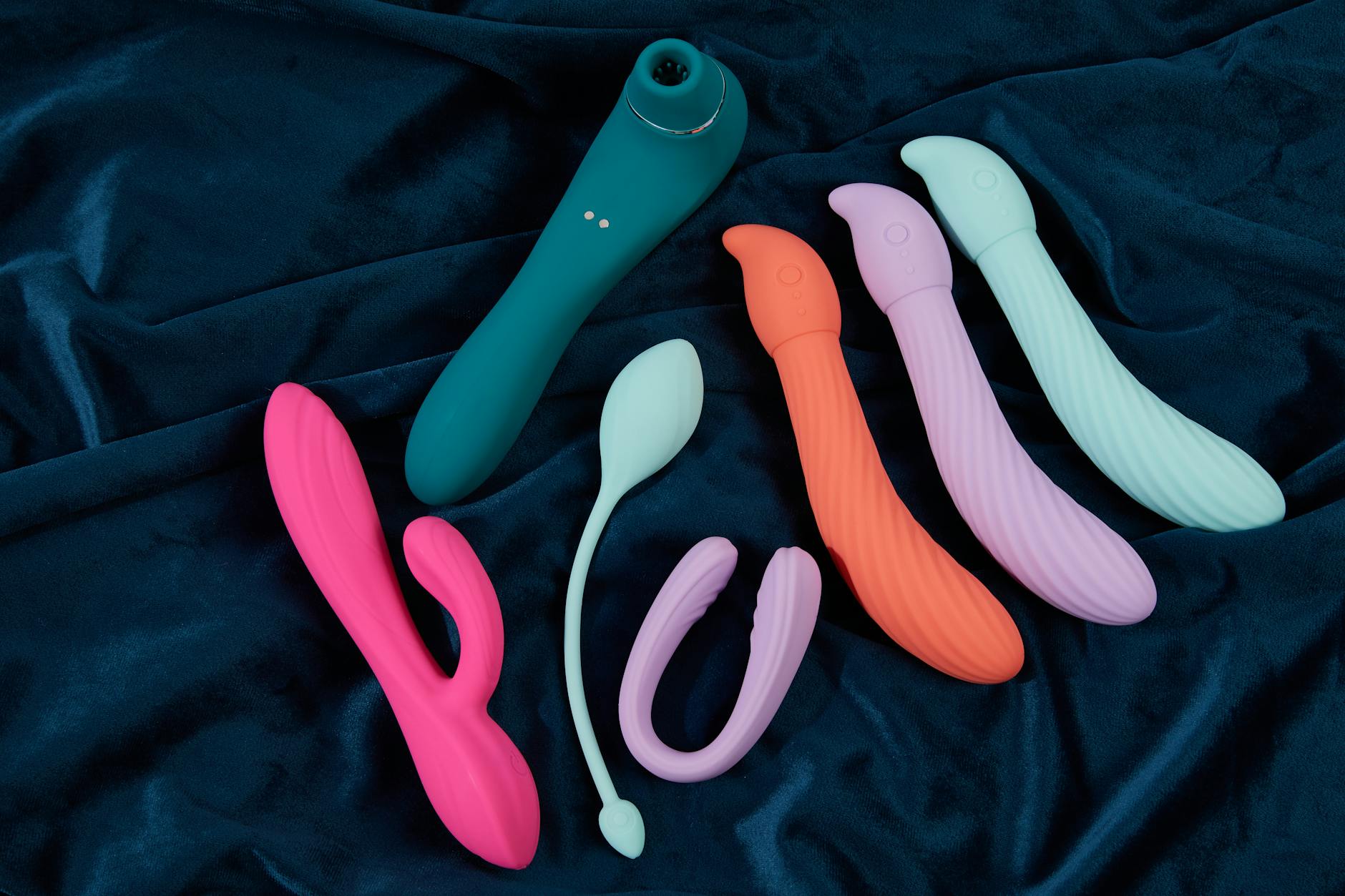
Photo by IFONNX Toys on Pexels
The intensity difference at different stages
One thing my clients report: the sensation of a lemon vibrator feels different depending on where you are in your cycle and in your relationship.
Early in a relationship, with a new partner, everything feels heightened. Your vulva is more sensitive to touch because you're in a state of hypervigilance (neurologically positive hypervigilance, but still). The vibrator might feel almost too intense. Your nervous system is running hot.
In longer partnerships, especially through stress or major life transitions, you might need longer warm-up time and more intensity to reach the same depth of sensation. This isn't because the lemon vibrator has changed. Your baseline arousal state has. Which is why that solo exploration time becomes even more valuable. You know your own body. Bring that knowledge into the shared space.
When partner presence actually diminishes pleasure
I want to be clear about this because it matters: not every person experiences enhanced pleasure with a partner present, and that's completely valid.
Some people have histories of sexual shame or trauma that makes vulnerability in front of a partner activating rather than arousing, no matter how much they trust them. Some people are just neurologically wired for deeper focus in solitude. Some people need years of trust-building before they can experience pleasure in front of another person.
If partner-present vibrator use doesn't feel good to you, the answer isn't to push yourself. The answer is to honor what actually works for your nervous system. You can have a fulfilling sexual relationship with someone and still need solo time with your lemon vibrator to access your fullest pleasure. Both things can be true.
What matters is honesty with your partner about what you actually want, not performing what you think you should want.
Building the trust that makes this work
The quality of presence your partner brings changes everything. If they're checking their phone while you're using your vibrator, that's not presence. That's absence with an audience.
Real presence means: they're focused on you, they're not making it about them or their pleasure, they're not narrating or offering unsolicited commentary, and they're responsive to your cues.
If you want to deepen this with your partner, you might also explore non-goal-oriented time together. Sometimes the best partner-present vibrator experiences come after you've spent time just touching each other without any agenda. No expectation of sex. No goal of orgasm. Just presence and curiosity. That builds the nervous system trust that makes the vibrator experience richer.
The practical setup that helps
A few concrete things that make the experience smoother:
Think about positioning. Do you want your partner beside you, between your legs, behind you? Different positions change the sensory experience and the emotional tone. There's no correct answer. Figure out what feels good to you.
Talk about involvement beforehand. Are they watching only, or do you want them to touch you elsewhere? Do you want them to help hold the vibrator, or does it feel better when you control it? These details matter for your nervous system.
Have the lube situation handled before you start. Water-based if you're using silicone toys (which Hello Nancy's lemon clitoral vibrator is). Your partner knowing where it is and being ready to help if needed removes friction from the moment.
Understand your own rhythm. If you usually take 20 minutes to orgasm alone, that's probably not going to change with someone present. If it does, it'll likely take longer. Set realistic expectations with yourself.
FAQ: Partner presence and vibrator use
Q: Will my partner think I'm using the vibrator because they're not enough?
A: Not if you frame it accurately. A vibrator is a tool that creates a specific type of stimulation. Your partner creates connection, presence, and a completely different kind of pleasure. They're not competing. They're complementary. The conversation that matters is: "I love having sex with you. I also love this specific sensation. Using them together is a new thing I want to explore with you."
Q: What if my partner is intimidated by the lemon vibrator?
A: This is more common than you'd think. Some partners worry the vibrator means they're being replaced or aren't doing their job well enough. The reality is that a lemon clitoral vibrator can't replace a partner. It can't provide emotional intimacy, doesn't have hands, and can't respond to you. What it can do is provide a very specific type of stimulation that many people enjoy. If your partner is struggling, ask directly: "What are you worried about?" and listen. Often it's not really about the toy.
Q: Is it normal for orgasms to feel completely different with my partner watching?
A: Yes. Totally normal. Your nervous system is in a different state. The physical sensation might be identical, but the neurological context changes everything. Some people prefer solo orgasms. Some prefer partnered. Most people find they're just different flavors of good.
Q: What if I want to use my lemon vibrator during partner sex but feel shy about it?
A: Start by using it solo in front of them a few times, just to normalize it. Then introduce it during foreplay before penetration. Then, if you want, during. Each step desensitizes you to the vulnerability. The shyness usually fades once you realize your partner is turned on by your pleasure, not judging it.
Q: Can my partner use the vibrator on me, or should I always control it?
A: Both work. Solo control means you're setting the rhythm and intensity. Partner control adds an element of surrender and trust. Some people love one, some love the other, some want to alternate. The only way to know is to try and pay attention to what feels good.
Q: Does using a vibrator with my partner mean we're having trouble?
A: No. If anything, couples who explore vibrators together tend to have better sexual communication overall. You're talking about what you want. You're being vulnerable. You're prioritizing mutual pleasure. Those are the foundations of good sexual partnership.
What changes next
The moment you move from solo lemon vibrator use to partner-inclusive use, you're entering a different kind of intimacy. It's not better than solo pleasure. It's not worse. It's just another version of what your body can experience and what your relationship can hold.
The key is consent, honesty, and letting your nervous system guide the pace. If it feels good, keep going. If it doesn't, pause and figure out why. Your pleasure matters. Your partner's willingness to be part of that journey matters too.
If you're navigating this for the first time and want to talk through what's coming up, reach out. That's what we're here for.