When a long relationship ends, pleasure often disappears first. Not because you're broken or because your body has changed. It's because the entire context has shifted. Sex used to be part of a daily routine, a shared language, part of your identity as a partnered person. Now that's gone. Your body is grieving.
Here's the part nobody warns you about: solo pleasure can feel weirdly harder after a breakup than it did before you were partnered. Touching yourself feels tinged with memories. Orgasms don't hit the same when there's no one mirroring your vulnerability back. You might feel guilty for wanting pleasure at all when you're supposed to be sad.
That's where understanding the lemon vibrator comes in. It's not a replacement for the relationship. It's a tool for remembering that your pleasure exists independently of another person's presence.
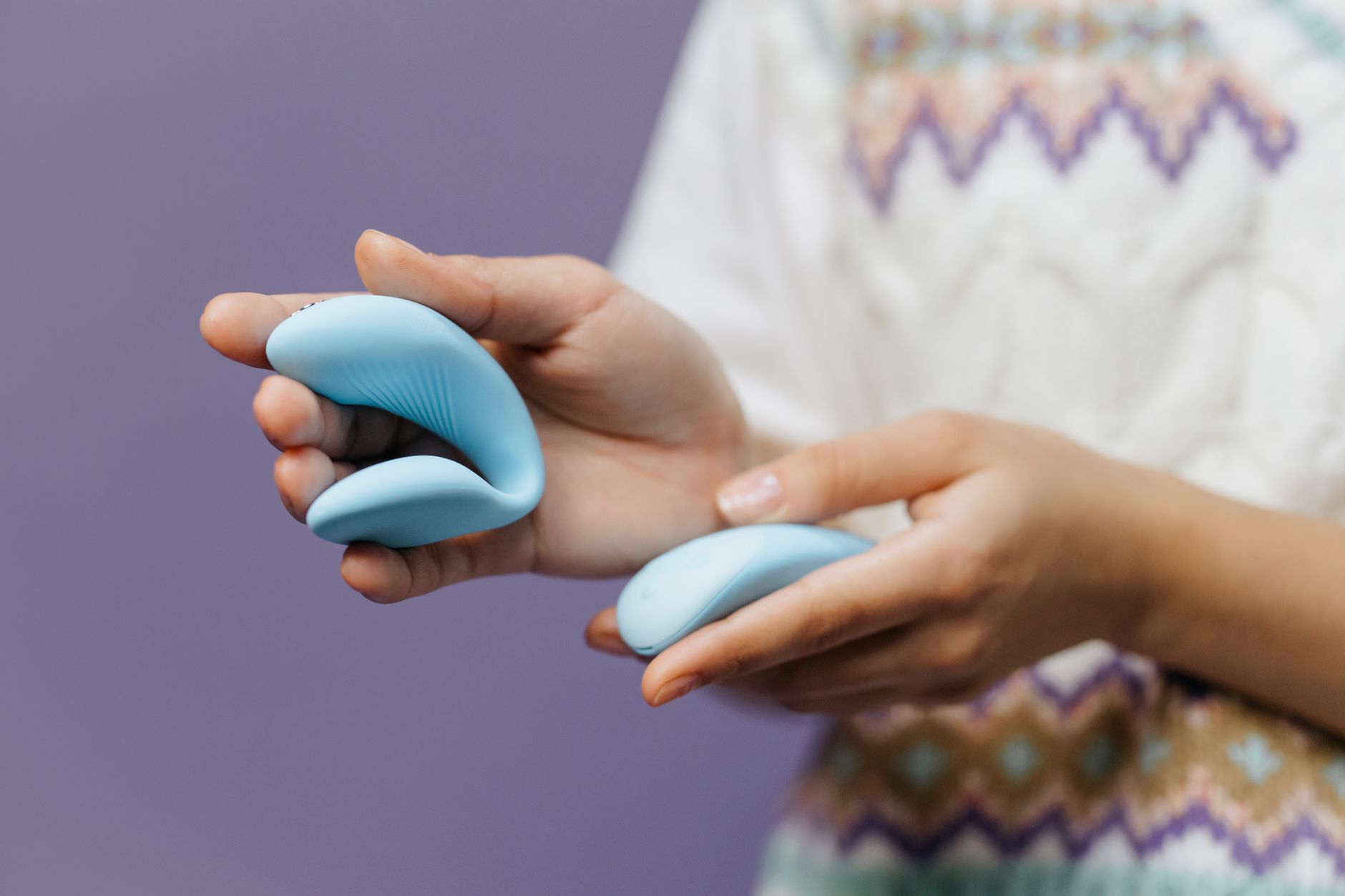
The Lem and similar air-suction tools work differently than traditional vibrators. Instead of direct vibration, they create gentle rhythmic pulses that stimulate without requiring you to do much physical work. After a long relationship, that matters. You're not trying to recreate partner sex. You're trying to find a new groove entirely.
The suction-based design means you can start slow and stay slow if that's what your nervous system needs right now. There's no pressure to build to an orgasm quickly. You can explore sensation without performance anxiety. Many people find that after a breakup, this gentler approach feels less triggering than a traditional vibrator would.
The other thing that changes: control. With a partner, pleasure involved negotiation, timing, and someone else's rhythm. With a lemon vibrator, it's entirely yours. That autonomy is therapeutic in ways that have nothing to do with the orgasm itself.
You might try to use a lemon vibrator and feel absolutely nothing. That's normal. Your body is in shock. You might cry. You might feel angry. You might feel nothing at all, which is its own kind of problem.
Start here: set a time when you're alone and won't be interrupted. Not because you need to make it romantic or special, but because interruptions will break whatever fragile focus you're building. Charge your Lem fully. Put it on the lowest intensity setting.
Touch yourself the way you would have before you had a partner. Explore your own body without the vibrator first. Notice what feels good, what's tender, where you're holding tension. This isn't foreplay. This is reconnaissance. Your body has changed since the relationship ended, and you need to know it again.
When you're ready, bring the lemon vibrator in. Don't aim for an orgasm. Aim for sensation. Notice the difference between the gentle suction and the skin around it. Notice if you need more lubrication. Notice if a particular setting feels soothing or jarring. This is data collection, not performance.
After two to four weeks of regular exploration, something usually shifts. Your nervous system starts to realize that this is safe, that it's just you, that there's no script to follow. Orgasms might start happening. They might feel different than they used to. They might feel weaker or stronger or just strange.
That's okay. You're relearning pleasure in a completely different context. The orgasms you had with a partner were shaped by that relationship. The orgasms you're having alone are shaped by solitude, autonomy, and recovery. They're not better or worse. They're new.
At this stage, many people find that using a lemon vibrator becomes less about chasing sensation and more about ritual. A few minutes with yourself, your own device, your own thoughts. It becomes grounding. The physical release matters less than the fact of giving yourself permission.
If you're using a lemon sucker for the first time, you might notice that intensity settings 2-4 start to feel right. You know yourself well enough now to know what pace your body prefers. Let that guide you. There's no "should" here.
Use a lemon vibrator long enough and you will eventually touch yourself and think about your ex. That's not a sign you're doing something wrong. That's how memory works. You spent years building neural pathways around partnered pleasure. They don't disappear because the relationship ended.
When it happens, you have options. You can sit with it. You can stop and come back another time. You can acknowledge it and keep going. None of those are failures. The goal isn't to have a clean, ex-free orgasm. The goal is to develop a relationship with your own pleasure that doesn't depend on anyone else being in the room.
Over time, the association weakens. You'll use your lemon vibrator and your mind will be quiet, or it will be focused on sensation, or it will be thinking about your grocery list. Healing isn't linear, but it is real.
One of the hardest parts of recovery is trusting your own body again. After a long relationship, your desire learned to sync with someone else's. You became attuned to your partner's wants, your partner's timing, your partner's pleasure. Reclaiming solo pleasure is relearning the language of your own desire.
Using a lemon vibrator consistently helps with that. Every time you decide to touch yourself. Every time you choose an intensity setting. Every time you decide you're done. Those are all small acts of self-trust. You're proving to yourself that your pleasure matters enough to prioritize.
This is especially important if the relationship ended because of sexual incompatibility or if there was any sexual dysfunction involved. Learning that your body works, that you can have orgasms, that pleasure is accessible to you alone. That's not a luxury. It's foundational recovery work.
Many people find that after a few months of regular solo exploration with a lemon vibrator, they feel safer in their own skin. That confidence carries into everything else: how you date, how you interact with potential partners, how you talk about your needs. It all starts with knowing that your pleasure is real and valid independent of anyone else.
Eventually, you might be ready to explore partnered sex again. That's not a requirement. Some people are happiest solo. But if you do want to share pleasure with someone new, having rebuilt your own pleasure first is an advantage.
You already know what you like. You've spent months exploring your own body with a lemon clitoral vibrator. You know your pace, your preferences, your needs. That knowledge makes the conversation with a new partner infinitely easier. Instead of saying "I don't know," you can say "here's what I like." That's powerful.
Some people even bring their lemon vibrator into partnered sex. Not because they need it, but because they want it. Because they've reclaimed the device as something that belongs to them. That ownership is important. It prevents you from sliding back into the pattern of syncing entirely with someone else's rhythm.
Start with the premise that your pleasure belongs to you first. Everything else builds from there.
There's no timeline. Some people want to use a lemon vibrator the day after. Some people don't feel ready for months. Your body will tell you. If you're reaching for a vibrator as a distraction from pain rather than a genuine desire for sensation, that's worth noticing. But if you're reaching for it as a form of self-soothing or reclamation, that's different. Listen to your own answer, not what you think you should do.
No. The myth that vibrators desensitize you is just that. A myth. What's true is that your body learns what feels good. If a particular sensation works for you alone, communicating that to a partner actually strengthens your sex life together. You're not less capable of pleasure. You're more informed about what pleasure looks like for you.
Your nervous system might be in shutdown. That's protective. Your body's way of saying "too much too soon." Keep trying, but without pressure. Sometimes sensation returns if you just give yourself permission to feel numb for a while. Sometimes you need to address the grief separately before pleasure comes back. Both are normal.
That's up to you. Some people are very open about it. Some people keep it private. What matters is that you don't feel shame about it. If you're hiding it because you feel guilty, that's worth exploring. If you're keeping it private because it's personal, that's fine too.
Completely. Orgasms release a lot of neurochemicals, including oxytocin, which is the bonding hormone. After a long relationship, your body might interpret that release as "I miss my partner." Crying after an orgasm is not a sign that solo pleasure is wrong for you. It's just grief moving through your system. Let it.
When the idea of touching yourself feels like something you want rather than something you should do. When you can spend time alone without it feeling like punishment. When curiosity about your own pleasure starts to return. That might be two weeks in or two months in. There's no finish line here.
The pleasure you had with a partner is one thing. The pleasure you discover alone is another thing entirely. After a long relationship ends, reclaiming your body with a lemon vibrator isn't about going backwards to who you were before. It's about moving forward into who you're becoming.
Your own desire. Your own timeline. Your own pleasure. Those belong to you first.