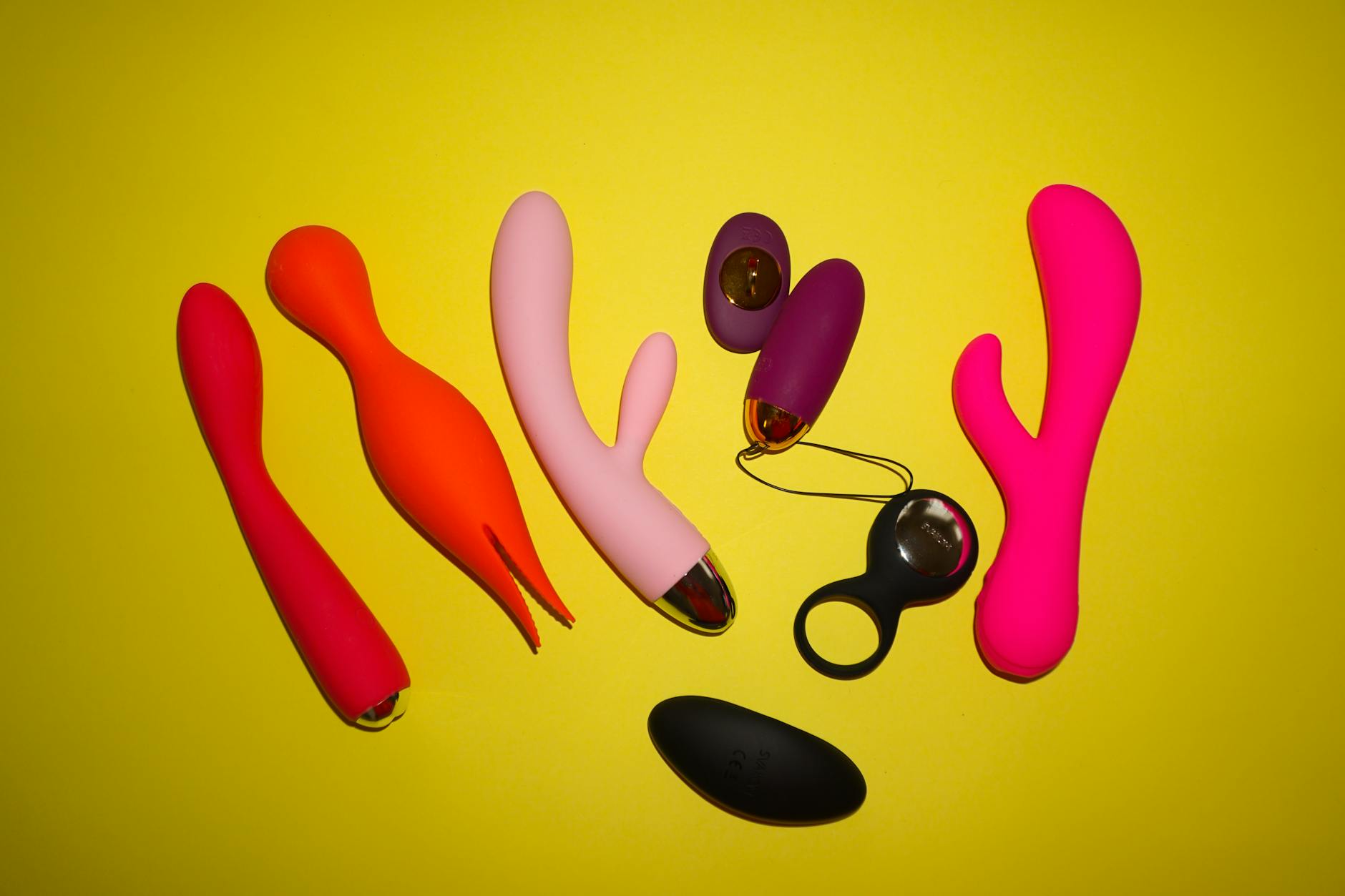
Let's be real about what slow actually means
When you say you want to slow down with pleasure, you don't mean slower vibrations. You mean slowing down your nervous system, your expectations, and the voice in your head that says you're running out of time or doing it wrong. You mean the permission to feel, breathe, and notice without rushing toward a finish line.
Clitoral suction toys like the Lem are uniquely built for this. They don't vibrate. They pulse and release in waves, which naturally forces you into a different rhythm than a traditional vibrator. That rhythm is built into the tool itself, which takes the pressure off you to control the pace.
Why suction changes your nervous system
Here's the neurological part: traditional vibrators engage your clitoris through friction. Your brain reads that as stimulation you're managing. You're holding it, moving it, deciding intensity. That loop creates a kind of performance mode, even when you're alone. Your nervous system stays in execution.
Suction works differently. The pulse and release cycle creates a sensation that your body responds to, rather than something you're directing. That distinction sounds small. It changes everything.
Research on arousal shows that when we shift from doing to receiving, our parasympathetic nervous system activates. That's the rest-and-digest mode. Your breathing deepens. Your awareness narrows to just the sensation. The thinking mind quiets. That's when genuine exploration becomes possible.
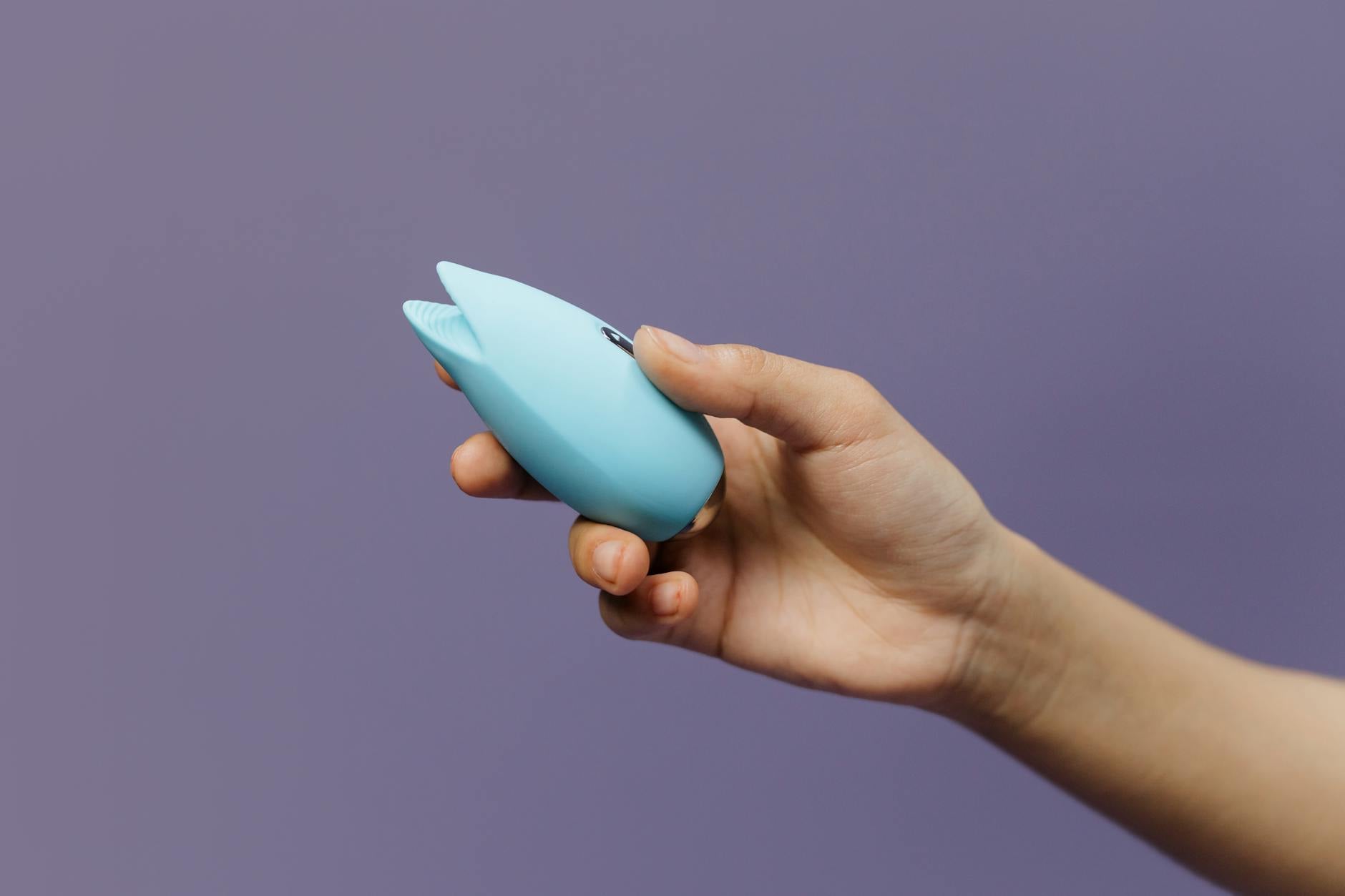
Photo by cottonbro studio on Pexels
The first 10 minutes are about noticing, not arriving
Set aside 20 to 30 minutes. Not because you need that long to orgasm, but because rushing defeats the purpose. If you're checking the clock, you're not in exploration mode.
Start with the Lem on its lowest pattern. Pattern 1 is a single pulse. Place it gently and notice what happens. Don't expect anything. That expectation is another kind of performance. Instead, ask yourself: What am I feeling? Where? Is it sharp or diffuse? Does it create a rhythm my body wants to follow, or does it feel separate from me?
Stay there for 2 to 3 minutes. Your clitoris doesn't wake up on a schedule. The tissue needs time to recognize the sensation and respond. Many people skip this part and miss the best part. The initial response is often subtle, easy to override with impatience.
After those first few minutes, move to Pattern 2. Again, notice. What changed? Is this intensity right, or do you need to back down? Backing down is not failure. It's information. Your pleasure is not a straight line.
Building a sensation map
Somewhere around the 10-minute mark, you might feel arousal building. That's not a signal to speed up. That's a signal to get curious about texture.
Try slight movements. Angle the Lem very slightly to one side. Does that change how the suction hits? Move it a millimeter higher. A millimeter lower. Stay with each variation for 15 to 20 seconds. You're building a map of which specific areas create which sensations.
Many people discover that direct contact on the most sensitive part of the clitoris isn't actually the sweetest sensation. Sometimes it's slightly to the side. Sometimes it's further back on the clitoral hood. The only way to know is to move slowly enough to notice the difference.
This is where lemon clitoral vibrators shine. Because suction doesn't rely on friction, you can hold it still or move it microscopically without losing the stimulation. A traditional vibrator turns into a vague buzz the moment you slow down. The Lem stays responsive.
When intensity increases without you trying
Around 15 to 20 minutes in, arousal often deepens. You might feel a shift in your breathing, a pull in your pelvis, a sense that your body is waking up. This is not the time to go harder.
Stay at whatever pattern you're on. Let your body catch up to the sensation rather than chasing a feeling you think should be there. If you want to change patterns, move up by one. That's it. One step. Then wait another 2 to 3 minutes.
This is the opposite of how most of us learn to use pleasure tools. We expect intensity to build intensity, like climbing stairs. In reality, sensation develops in layers. A light touch can create deeper pleasure than ramming up to Pattern 7 immediately. Your nervous system needs room to process each level.
The breathing component nobody mentions
Somewhere in this process, you'll notice your breathing is shallow. That's normal. That's also the place where many people freeze up, because shallow breathing feels like anxiety.
It's not. It's arousal. And the way through it is to consciously deepen your breath. Breathe in through your nose for a count of 4. Hold for a count of 2. Out through your mouth for a count of 4. Do this for three cycles.
Your nervous system reads a full, slow breath as a signal that you're safe. That permission changes how your body responds to the sensation. Many people discover their most intense orgasms happen when they're breathing fully, not holding their breath.
Orgasm is optional. Sensation is the point.
If orgasm happens, great. If it doesn't, that's also fine. This whole exercise is about learning to feel without an achievement target. The slowness is the point. The noticing is the point. The permission to spend 25 minutes with one sensation and go nowhere is the point.
That experience rewires how you approach pleasure generally. You start to trust your body. You stop performing for yourself. You realize that pleasure is not a destination you're trying to reach faster. It's a skill you're learning, and slowness is actually the shortcut.
Many people report that after a few weeks of slow exploration, they orgasm more easily and intensely, even with traditional stimulation. That's because you've created new neural pathways. You've shown your nervous system that slowness is safe, and in safety, everything opens up.
FAQ
Why does suction feel different from vibration?
Suction creates a pulse and release pattern that mimics the human hand squeezing and releasing. Your clitoris responds to this rhythm as stimulation you're receiving, not managing. That distinction shifts you from a doing state to a receiving state, which activates different parts of your nervous system. Vibration is continuous friction. Suction is cyclical pressure.
Can I use the Lem if I'm on antidepressants that make orgasm harder?
Yes. The Lem's suction pattern often works for people who find traditional vibrators don't create enough sensation to trigger orgasm. The key is using it as a sensation exploration tool first, not chasing an outcome. Many medications that affect arousal respond well to slower, longer sessions with less goal-orientation. If you're still struggling, that's worth discussing with your doctor, not a sign the toy isn't right.
How long should I actually spend on each pattern before moving up?
At least 2 to 3 minutes per pattern when you're exploring. That's longer than you probably think you need. Your clitoris needs time to register sensation and respond to it. If you jump patterns every 30 seconds, you're not building awareness. You're just chasing intensity. Stay long enough to feel bored, then stay a bit longer.
Is there a specific time of day when slow exploration works better?
Generally, yes. Times when your nervous system is already relaxed work better than times when you're running on adrenaline. For many people, that's later in the evening. But the real variable is whether you're moving from a state of activation. If you've just finished a stressful call or scrolled your phone for 20 minutes, spend 5 minutes doing something calming first. Breathe. Stretch. Actually arrive before you start.
What if I feel nothing at first? Am I broken?
No. You might need more lubrication. Water-based lube changes everything, because it helps the suction seal work better. You might need more time for arousal to build. You might need the room to be warmer, or the pressure slightly different. You might need to use a pattern for longer. Sensation exploration is literally about finding what works for your body. Feeling nothing initially is just data, not a verdict.
Can I combine the Lem with internal stimulation while going slow?
Absolutely. Many people find that slow external suction with internal touch creates a deeper, more integrated sensation. The key is still slowness. If you're introducing a partner's fingers or another toy internally, move even more slowly. Your nervous system can't track multiple sensations at speed. Slow lets you actually feel both. That's where the richness lives.
The deeper truth about slowing down
When you use a lemon clitoral vibrator slowly and intentionally, you're not just exploring physical sensation. You're practicing a kind of trust in your own body. You're saying, "I don't have to perform. I don't have to arrive anywhere. I can just be here." That practice changes how you relate to pleasure. It changes how you relate to your body. And over time, it changes what you're actually capable of feeling.
You deserve that kind of depth. You deserve the patience it takes to get there. The Lem is just a tool. But it's a tool built for exactly this kind of slow, deliberate exploration. Use it that way, and you'll discover sensations you didn't know you were capable of feeling.
If you're new to clitoral suction toys altogether, read our guide on choosing the right tool for your needs. And if you're ready to explore how slowing down can deepen partnered pleasure, here's what works when you and your partner want to explore together.
Ready to start? Grab 25 minutes, a lemon vibrator, and the permission to feel whatever arises. That's all you need.