Let's start with the hard truth
Vulvodynia and chronic pelvic pain conditions make the body feel like it's working against you. Pleasure becomes something you theoretically want but practically can't access. Most advice defaults to either "just relax" or "avoid it entirely," and honestly? Both miss the point.
Here's what I've learned working with clients through this: your nervous system isn't broken. It's protecting you. And lemon vibrators, used the right way, can help you retrain that protective response so pleasure becomes possible again.
What vulvodynia and chronic pelvic pain actually do to sensation
Vulvodynia is chronic pain in the vulva with no clear medical cause. Chronic pelvic pain sits deeper, affecting the entire pelvic floor and surrounding tissue. Both conditions share something crucial: they create central sensitization. Your nervous system learns that this area equals danger, and it stays in defense mode even when nothing is actively threatening you.
This is why regular vibrators often backfire. Standard vibrations can feel like an attack to a sensitized nervous system. The stimulation, even pleasurable stimulation, gets interpreted as a threat. Your pelvic floor tenses up. Pain shoots through. You learn that pleasure isn't safe, which deepens the protective response.
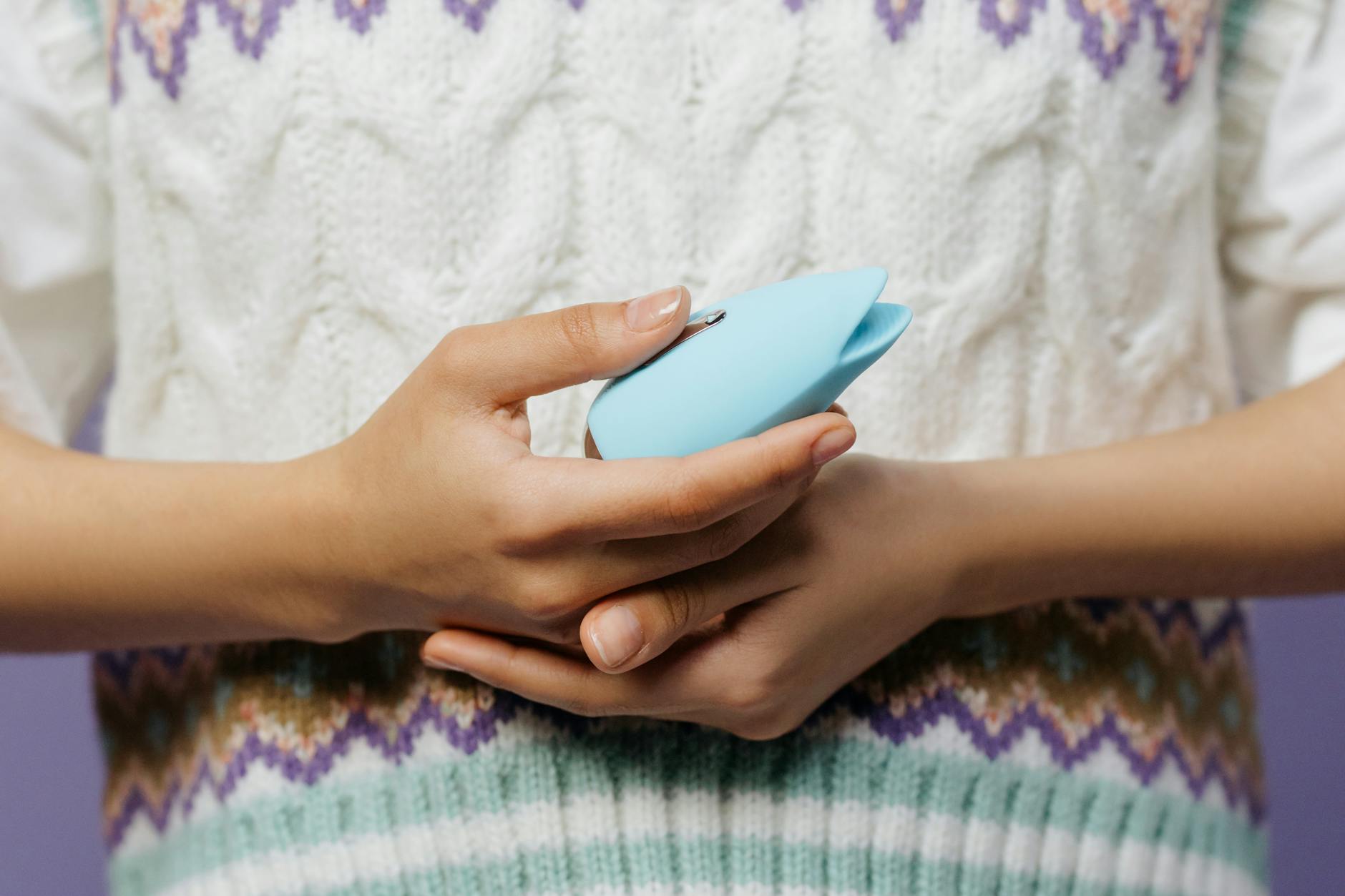
Lemon vibrators work differently because of how they stimulate. The suction-based technology doesn't rely on direct percussion or buzz. Instead, it creates a gentle rhythmic pulse that pulls and releases rather than pounding. For a nervous system that's been in lockdown, this is less likely to trigger the alarm response.
Why suction-based stimulation changes everything
Three reasons lemon clitoral vibrators help where other toys don't:
1. Lower threat threshold. Suction creates indirect stimulation. The sensation builds gradually rather than arriving all at once. A nervous system in pain protection mode tolerates slow, predictable input better than sudden intensity.
2. You control the pressure. Most lemon vibrators have intensity settings and pattern options. You're not locked into one way of being touched. That agency itself is therapeutic. For people with pain conditions, especially those with a history of not being heard about their body, this control is foundational.
3. It works with fascial release, not against it. Pelvic floor physical therapists are seeing real results when clients use gentle suction-based devices alongside their therapy. The rhythmic pulling can help release held tension in a way that doesn't trigger protective bracing.
Starting slow: the first-time protocol
If you have vulvodynia or chronic pelvic pain and you've never used a lemon vibrator, don't start during arousal. Start during a calm moment, fully clothed, just learning what the device feels like. Hold it near your arm or inner wrist. Feel the lowest setting. This isn't about getting anywhere. It's about introducing your nervous system to the sensation without stakes.
Wait a few days. Do this again if it felt okay. You're building a pattern of safety.
Only once that feels boring should you move to external vulvar tissue, still clothed. One session. Then wait. Your nervous system processes new input slowly. Rushing this erases the whole point.
When you do finally use it for pleasure (after this ramp-up), keep these boundaries in place:
- Session length: 5 to 10 minutes maximum, especially at first. More isn't better.
- Intensity: start at level 1 or 2. Stay there until you've done this 5 to 10 times.
- Positioning: lie down, fully supported. Your pelvic floor can't release if you're tense in other parts of your body.
- Lube: use it generously, even if you're not sure you need it. A lubricant barrier can make sensation feel less threatening.
The pain-pleasure conversation: what to expect
Here's what confuses a lot of people: sometimes using a lemon vibrator will bring up discomfort before it brings up pleasure. This isn't failure. This is your nervous system learning to differentiate between pain-that-means-stop and sensation-that's-just-new.
If you feel a sharp, stabbing, or burning pain, stop. That's a real signal. But if you feel an ache or mild discomfort that's not sharp, sit with it for 30 seconds. Breathe into it. Sometimes that discomfort is just unfamiliarity. Your body is learning that this touch isn't dangerous.
If you have a partner, tell them about this ahead of time. "I might experience some sensation that's uncomfortable at first, and that might mean I continue, not that I stop." Partners often want to leap in and fix discomfort the moment it appears. That impulse is loving but counterproductive here.
Working with your pelvic floor therapist
If you're doing pelvic floor physical therapy, bring this up. A good PT will have thoughts on whether a lemon vibrator fits your treatment plan right now. Some clients benefit from adding it mid-treatment. Others need to do foundational release work first.
The best outcomes happen when your PT, your gynaecologist, and your own experimentation are all talking to each other. You're not hiding this from your healthcare team. You're coordinating.
The psychological piece: rebuilding trust in your body
Vulvodynia and chronic pelvic pain don't just change the physical sensation. They change your relationship with your body. Pleasure becomes something that happens to you rather than something you generate. Using a lemon vibrator isn't just about nerve endings. It's about reclaiming agency.
The first time you experience pleasure using a tool you chose, at an intensity you control, during a timeframe you set, something shifts psychologically. Your body becomes a source of information rather than just a source of pain.
When to pause or stop
If you notice your pain condition is worsening rather than stabilizing after two weeks of gentle use, stop and check in with your healthcare provider. Sometimes the nervous system needs a longer ramp-up. Sometimes a lemon vibrator isn't the right tool for your particular condition right now. That's not a personal failure.
Also pause if you're using it to push through pain. "I should be able to orgasm even if it hurts" is the opposite of what you're trying to build. You're building a nervous system that trusts that pleasure can be safe. That doesn't happen through force.
People also ask
Can you use a lemon vibrator if you have vulvodynia?
Yes, if you start slowly and work with your healthcare provider. Lemon clitoral vibrators use suction-based stimulation that's often gentler on sensitized tissue than traditional buzz vibrators. The key is a slow introduction without pressure. Some people find them transformative. Others find they need more time before any vibrator is right. Both responses are valid.
Will using a lemon vibrator make my pain worse?
It shouldn't, if you follow a gradual introduction protocol. A nervous system in pain protection mode needs time to learn that new sensation isn't a threat. Start fully clothed, start at the lowest setting, and wait between sessions. If you experience sharp pain, stop. If you experience mild discomfort, that's often just unfamiliarity. Talk to your PT or gynaecologist if you're unsure what you're feeling.
How long does it take to feel pleasure again with vulvodynia?
There's no universal timeline. Some people notice shifts in sensation within two to three weeks. Others need two to three months. The nervous system doesn't operate on a schedule. What matters is consistency and patience, not speed. You're retraining your body's threat response, which is slow work.
Should I use a lemon vibrator if I'm also doing pelvic floor physical therapy?
Maybe. Talk to your PT first. Some therapists recommend adding gentle suction-based stimulation mid-treatment. Others prefer you focus on their manual work before adding anything else. The best outcome happens when your PT knows what you're doing and can integrate it into your overall plan.
Can my partner help me use a lemon vibrator if I have chronic pelvic pain?
Yes, but only if you want them to. Some people find partner involvement helpful. Others find solo use less triggering. If a partner is involved, you need to be able to say stop and have them stop immediately. You also need to be able to direct them ("slower," "lower intensity," "pause for a minute"). This isn't about what your partner does to you. It's about what you choose to do with support.
Do I need special lube for a lemon vibrator if I have vulvodynia?
Water-based lubricant is safest. Some people with vulvodynia find they're sensitive to certain lube ingredients, so you might need to experiment. Start with a hypoallergenic option. Use more than you think you need. A generous lube barrier can make sensation feel less threatening to an already-sensitized nervous system.
The path forward
Vulvodynia and chronic pelvic pain are real medical conditions. Using a lemon vibrator isn't going to cure them. But it can help your nervous system learn that pleasure is possible in a body that also holds pain. That distinction matters. You're not bypassing the pain. You're building a different relationship with sensation, one choice at a time.
If you want to explore this further, reach out. A professional can help you build a plan specific to your body and your timeline.
Your pleasure matters. Your healing timeline matters. And you deserve tools that work with your body, not against it.