
The thing nobody tells you about pleasure returning
During depression, during trauma recovery, during the long climb back to yourself—pleasure doesn't just disappear. It flattens. Your body becomes a thing that happens to you rather than a place you inhabit. And then one day, something shifts. A nerve fires. A memory surfaces that doesn't hurt the way it did. Your nervous system softens just slightly. That's when you notice: you're ready to feel something again.
But ready and able are different things. Your body has learned caution. It doesn't know how to trust sensation yet.
Why pleasure feels so different after depression or trauma
Depression numbs everything equally. Trauma teaches your nervous system to stay guarded around sensation itself. When you're recovering from either, the neural pathways for pleasure have literally been dormant. Your brain hasn't been signaling reward the same way. Your tissues haven't been receiving the blood flow and lubrication that comes with arousal. Reconnection isn't about switching a light back on. It's about rebuilding a circuit that's been offline.
This is why generic vibrators often feel wrong during recovery. They're loud. They're intense. They demand a response your body isn't ready to give. A lemon clitoral vibrator works differently. The suction pattern is gentler, more predictable, and it doesn't require the kind of friction-based pressure that can feel overwhelming to nervous tissue that's been through shock.
The first time back: what actually helps
Three things make a real difference when you're starting to explore sensation again.
1. Predictability. Your nervous system needs to know what's coming. Lemon vibrators have clear, consistent patterns. No sudden jumps in intensity. No chaotic vibration that mimics the unpredictability you're trying to recover from. The suction rhythm is the same every time you hit that pattern number.
2. Lower entry point. You're not building tolerance. You're building trust. Starting at pattern 1 or 2 on the Lem feels almost meditative compared to traditional vibrators. The sensation is there, but it doesn't demand anything from you. You can stop at any moment without feeling like you've failed.
3. Control. This is non-negotiable after trauma or depression. You need to be the one holding the device. You need to be able to set it down instantly. You need to know that your body's comfort is the only priority. Lemon sexual toys are designed for exactly this—solo exploration where you're in charge of every variable.
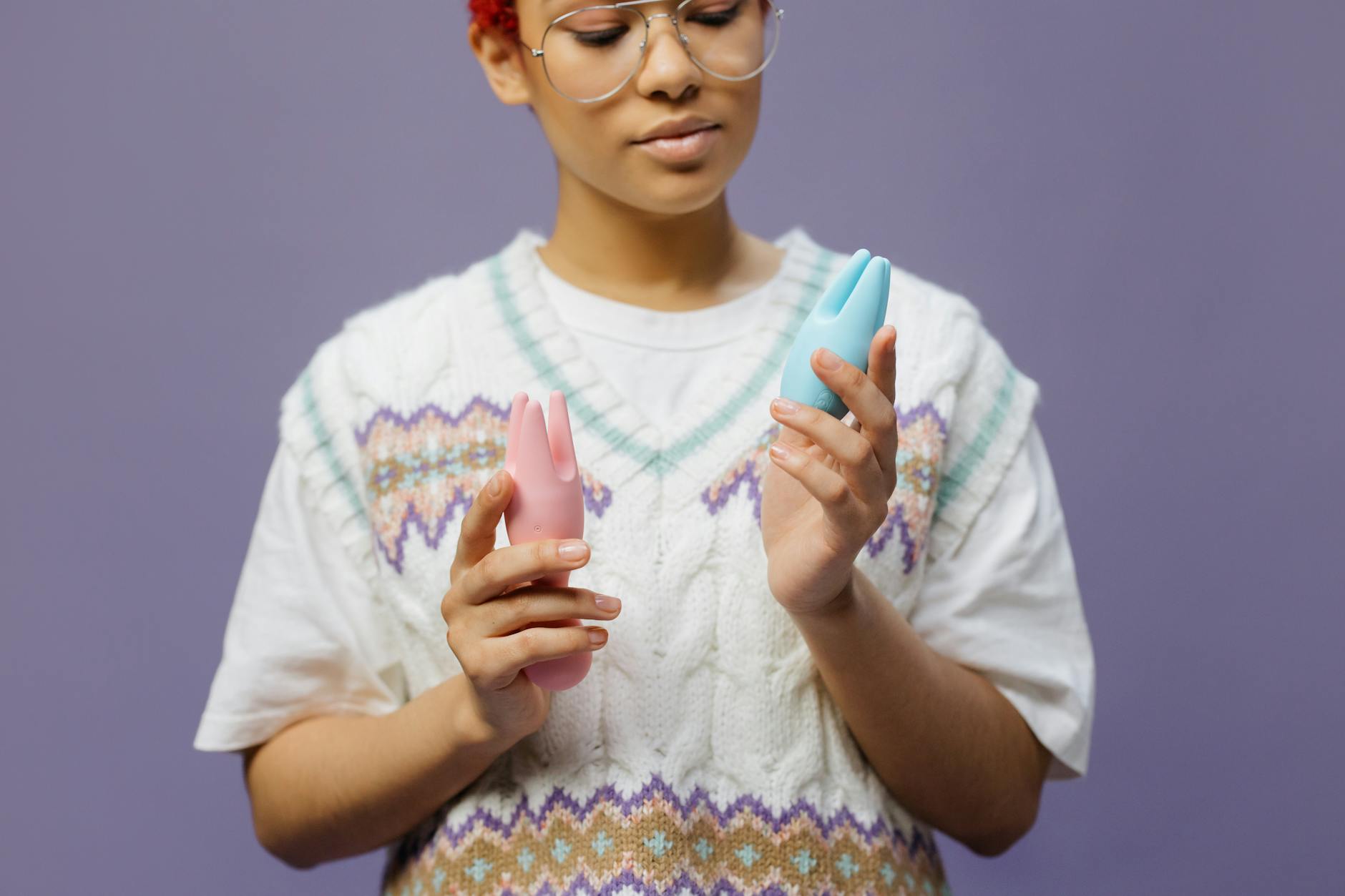
Photo by cottonbro studio on Pexels
The rhythm of rebuilding
Pleasure doesn't return in a straight line. Some days your body feels open. Other days the same sensation that felt gentle yesterday feels too much. This is normal. This is recovery.
I recommend my clients think about rebuilding in phases. The first phase is presence, not orgasm. Use your lemon vibrator for five to ten minutes, maybe three times a week, with no goal except noticing what sensations feel okay. Not amazing. Not overwhelming. Okay.
The second phase is consistency. Once you've found a pattern and intensity that feels safe, use that same setup for two to three weeks. Your nervous system learns. Your tissues respond. Lubrication returns. Sensation deepens.
The third phase is experimentation. Maybe you try a different pattern. Maybe you use it for longer. Maybe you pair it with music or a bath or something that feels grounding. But you're still in control. The lemon vibrator is responding to you, not the other way around.
What to watch for—and when to pause
There's a difference between discomfort and alarm. Mild soreness, mild numbness, mild difficulty with arousal—these are normal in recovery. Panic, sharp pain, dissociation, or the sense that you're re-traumatizing yourself—these are signals to stop and rest.
If you notice you're regularly feeling panic or flashbacks during solo play, talk to your therapist before continuing. This isn't failure. It's your body telling you the pace needs adjusting. Sometimes that means waiting two more weeks. Sometimes it means adding grounding techniques before you begin. Sometimes it means working with a trauma-informed sex therapist who specializes in this exact transition.
Lemon clitoral vibrators are tools for pleasure, not treatment for trauma. They can support your recovery, but they're not a substitute for therapy, medication, or professional support if you need it.
The emotional part (which is actually the biggest part)
When you're rebuilding pleasure after depression or trauma, the resistance isn't usually physical. It's emotional. There's shame: "Why did it take so long for my body to come back?" There's grief: "I lost time and sensation and I'm angry about that." There's fear: "What if this never feels normal again?"
Here's what I've learned from decades of working with people in recovery: your body coming back online is a sign of healing. Full stop. Not weakness, not lateness, not failure. Your nervous system is literally rewiring. That takes time. And the fact that you're choosing to explore sensation again means you're choosing yourself. That's brave in a way that's hard to explain to anyone who hasn't been there.
Give yourself permission to feel however you feel about this process. Angry. Grateful. Confused. All of it is valid. And none of it means you're doing it wrong.
How partners fit in (if they do)
If you have a partner and you're thinking about eventually bringing them into this part of your recovery, move slowly. Your partner doesn't need to be present for every step. In fact, most people find that solo exploration with a lemon vibrator first—building that sense of safety and control on your own terms—makes partnered intimacy easier later.
When you do eventually include a partner, communication matters more than usual. Not because there's anything wrong with what you're doing, but because they need to understand your nervous system is still recalibrating. That means sometimes you'll want to stop. Sometimes intensity needs to be lower. Sometimes you need to take a break for no reason except that you need to. A partner who gets this is a partner worth keeping around.
FAQ
Can I use a lemon vibrator if I'm still in early depression recovery?
Yes, but gently. If you're still in active depressive episodes or the first few weeks after a major depressive period, sensation might still feel very muted. That's not a reason to avoid lemon vibrators. It's actually a reason to use them carefully and without pressure. Lower intensity, shorter sessions, no expectation of arousal. You're practicing presence, not pursuing orgasm.
What if I feel dissociated when I try to use my lemon vibrator?
Stop immediately and do something grounding—hold ice, listen to music, move your body, call someone. Dissociation during solo play is a signal that your nervous system isn't ready yet or needs a different approach. Talk to your therapist about this. Sometimes trauma survivors benefit from having a partner present during these first attempts, or using techniques that keep you anchored to the present moment.
How long does it usually take for pleasure to feel normal again?
There's no standard timeline. For some people, a few weeks. For others, several months. Trauma and depression both affect the timeline differently. What matters is that you're not on a deadline. Your body will come back online when it comes back online. Pushing yourself doesn't speed it up—it often makes you feel more disconnected.
Can lemon sexual toys actually help with trauma recovery, or is that just marketing?
They're not a treatment, but they can be a useful tool. The suction-based design is gentler than traditional vibrators, which makes them particularly good for nervous systems in recovery. The control element matters. The predictability matters. But the real work is happening in therapy, medication if you need it, time, and self-compassion. The lemon vibrator is just a way to practice being in your body on your own terms.
Is there a right way to approach this with a therapist?
Absolutely. If you're in therapy, mention it. A good trauma-informed therapist will ask clarifying questions and help you set realistic expectations. Some therapists will actually recommend this as part of your recovery plan. Others might suggest waiting a bit longer. Either way, being honest with your provider takes the shame and secrecy out of the process, which is half the battle.
What if I have a partner but I want to explore with my lemon vibrator solo first?
Do it. Solo exploration is where you build safety and trust with your own body before bringing anyone else into the picture. Your body, your timeline, your choice. If your partner doesn't respect that boundary, that's actually important information about whether they're the right partner for this vulnerable process.
You're not behind, you're rebuilding
Pleasure after depression or trauma isn't about getting back to where you were. You're not the same person who left that place, and honestly, that's okay. You're building something new. Something slower, maybe more intentional, definitely more conscious. Tools like lemon vibrators exist to make that process gentler. But the real tool is your own willingness to be gentle with yourself.
If you have questions about how to approach this in a way that feels right for your body and your recovery, reach out. There's no shame in asking for help.