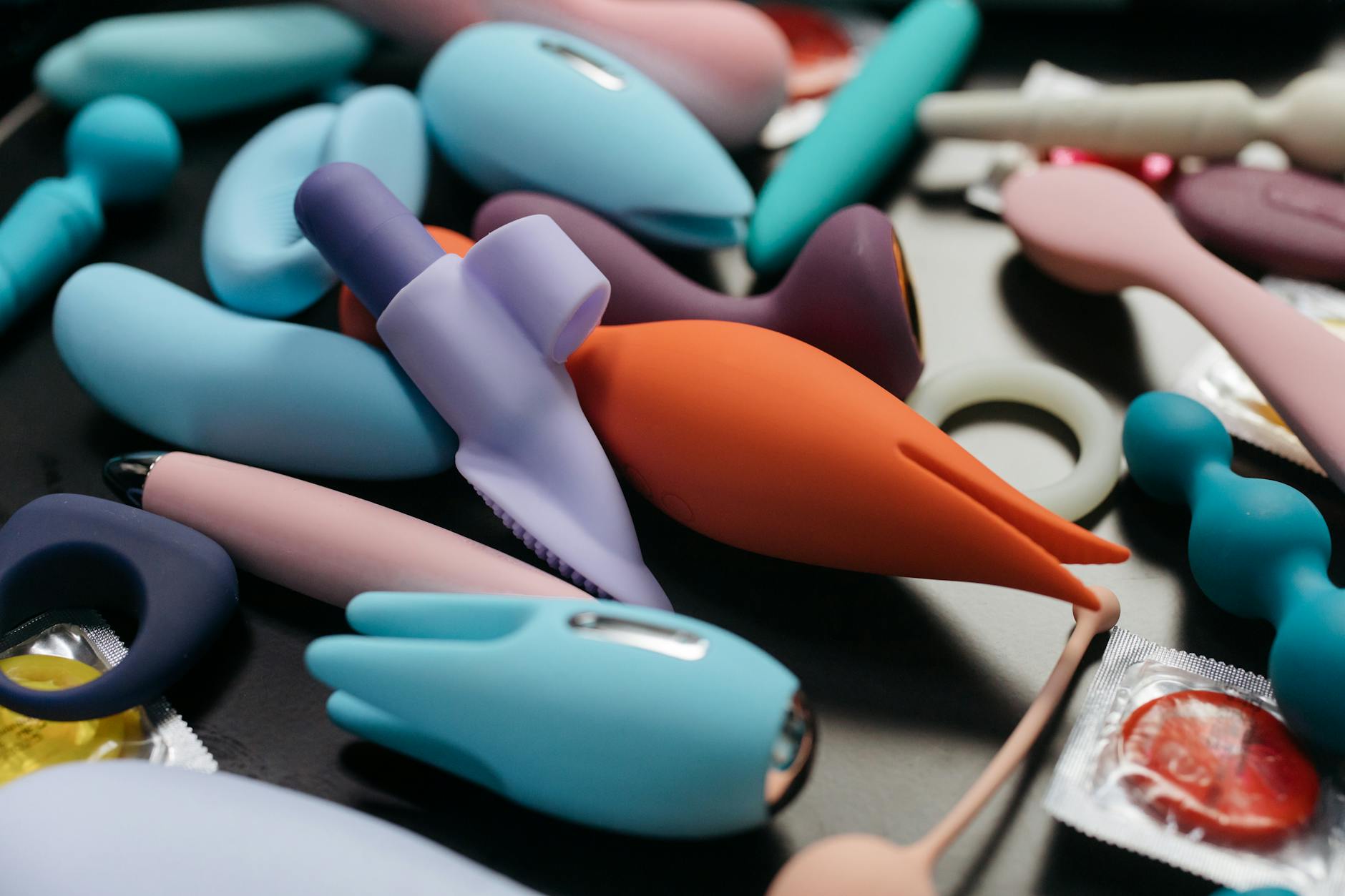
Let's start with what nobody tells you
Orgasms don't stop after 40. They get different. And honestly, for a lot of people, they get better. The catch is that your body's responsiveness shifts, which means the techniques that worked at 25 might not be the move anymore. That's not a problem to fix. It's just information you need.
Here's what changes: blood flow to the clitoris takes longer to build, the tissues are less engorged naturally, and the whole arousal arc stretches out. Lemon vibrators, specifically the suction-based design, are weirdly well-suited to these changes because they don't rely on friction the way a traditional vibrator does. They work with your body's new rhythm, not against it.
Why air-suction lemon vibrators work differently on your body now
A lemon vibrator uses gentle air pulsation to create a drawing sensation. This matters more after 40 because your clitoris is still just as sensitive (nothing about nerve density changes), but the tissue around it has shifted. Suction stimulation reaches the internal structures of the clitoris without needing the kind of sustained pressure that can feel uncomfortable on thinner, less engorged tissue.
The other thing that changes is what I'll call your arousal window. At 30, you could go from zero to orgasm in six minutes if the conditions were right. At 40, 45, 50, that window opens differently. You might need 15 to 25 minutes of buildup, but here's the payoff: when you finally get there, the orgasm tends to be more intense and longer-lasting because the buildup was deeper. A lemon clitoral vibrator handles that extended buildup beautifully because it's not fatiguing to use for longer sessions.
The three-part technique that actually works
Part one: the warm-up (5-10 minutes).
Don't jump straight to the vibrator. Spend time on manual stimulation first. Your clitoris needs time to engorge, and this is where patience becomes your secret weapon. Use your hand, direct water from the shower, whatever feels good. The goal isn't orgasm yet. It's waking your body up.
Part two: introduction at low intensity (5-8 minutes).
Once you feel arousal building, turn the lemon vibrator on at pattern 1 or 2. Hover it slightly above your clitoris at first, letting the sensation build gradually. This matters. After 40, your tissues respond better to a slow entrance. Find the spot where the sensation feels good without being overwhelming, and stay there. Don't chase intensity. You're letting your body recognize the sensation.
Part three: gradual build to orgasm (5-15 minutes).
Very slowly, increase intensity or adjust positioning. Move from hovering to gentle contact. If you use a lemon vibrator (often called a Lem vibrator), you've got multiple patterns to play with. Many people find that rhythmic patterns work better than constant stimulation for sustained arousal. The rhythm gives your nervous system something to follow.
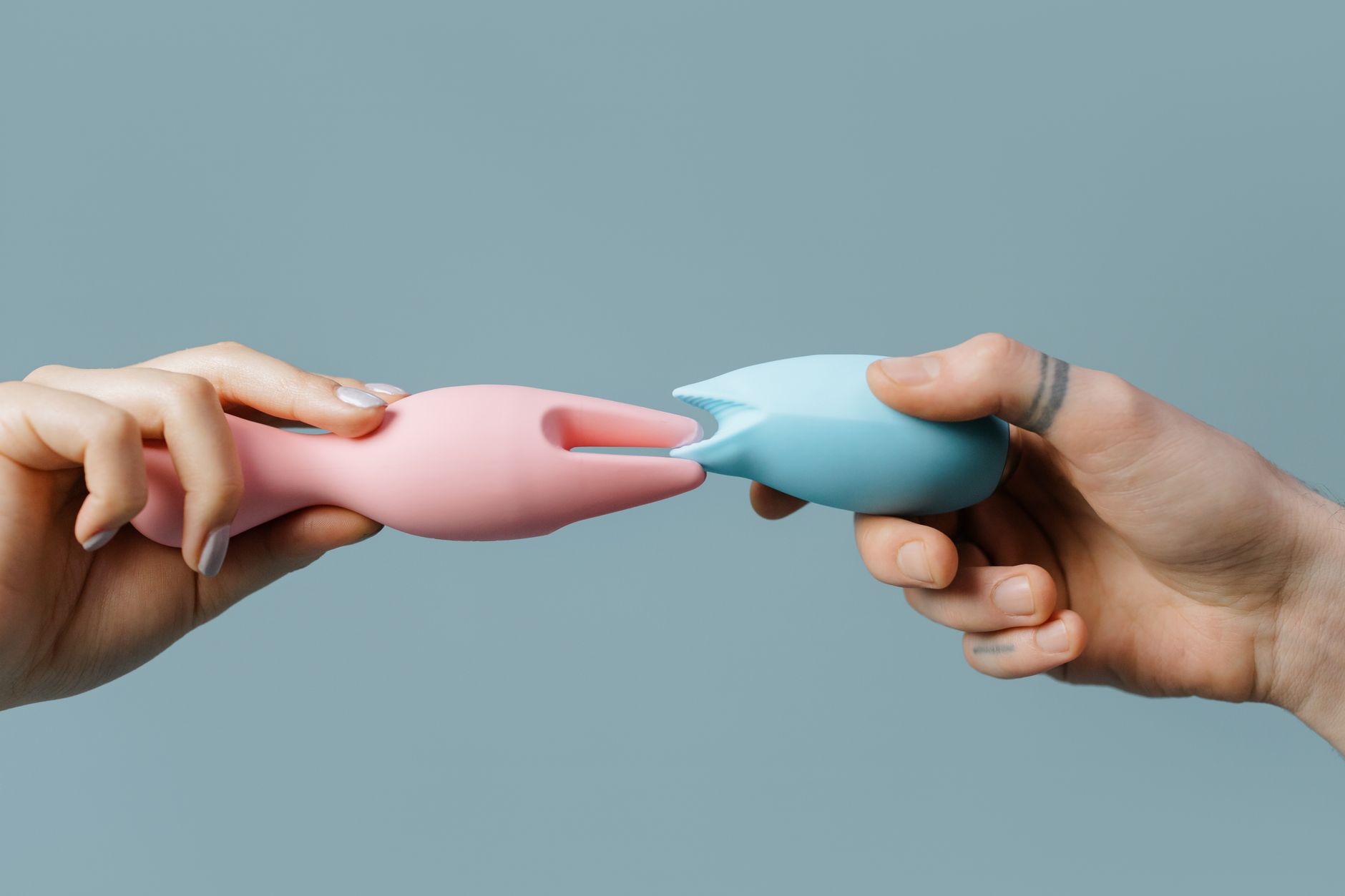
Photo by cottonbro studio on Pexels
Mental presence is doing half the work
Here's something that shifts after 40 that nobody talks about: distraction hits different. Your brain is louder. Work stress, relationship stuff, body image concerns. All of it can interrupt arousal more easily than it used to.
The most useful thing I recommend to clients in this season of life is what I call "the three-minute reset." Before you even think about touching yourself, spend three minutes doing nothing but breathing. No phone, no planning, no guilt about whether you have time. Just breath. This settles your nervous system enough that when you do start, you're actually present.
When you're using a lemon vibrator, your hands are partly occupied, which actually helps. You can't scroll. You can't mentally run through your to-do list as easily. You're forced into the moment. Some of my clients tell me they get stronger orgasms after 40 not because their bodies changed, but because they finally learned to be present in their own pleasure.
The positioning shifts you need to know
Your angle of approach matters more now. After 40, you might find that the angle that worked for years doesn't quite hit the same way. This is because tissue changes shift the geometry slightly.
Try coming at your clitoris from directly above rather than at an angle. Or experiment with very slight angles. A lemon vibrator's shape gives you flexibility here. The elongated design means you can position it multiple ways. What feels best for you might be different from what felt best at 35, and that's completely normal.
Many people find that direct clitoral contact feels too intense now. If that's you, the solution is simple: place the vibrator just above the clitoris, on the pubic mound area, or slightly to the side. The sensation still reaches all the right places, just filtered through slightly more tissue. Less intense, more sustainable, and often more satisfying.
How your partner fits in (if they're in the picture)
If you're using a lemon vibrator with a partner, the dynamic changes after 40. You might find you need more foreplay beforehand. You might need to communicate more clearly about what intensity level you want on any given day. That sounds clinical, but it's actually liberating. Instead of expecting spontaneous fireworks, you get intentional, connected pleasure.
The best move is showing your partner exactly what you want. Hand them the vibrator and let them see your body's response. Let them understand that this isn't replacing them. It's solving for a change in your body that they can't solve alone, and your pleasure is worth solving for.
If you're single, lemon vibrators let you dial in exactly what you need without any performance pressure. That freedom is huge after 40, when a lot of people finally give themselves permission to prioritize their own sensation.
The recovery piece that matters
Orgasms after 40 can feel deeper, more centered, less about the intensity spike and more about the whole-body sensation. Some people feel more integrated afterward. Others need a longer cool-down. Pay attention to what you need.
If you're using a lemon clitoral vibrator multiple times a week, keep an eye on sensitivity. If the tissue starts to feel sore or irritated, back off for a few days. This isn't about damage. It's just that tissue sensitivity can be higher now. A short break resets everything. No shame in that. Your body's telling you it needs a rhythm, and rhythm is how pleasure sustains over years.
When to experiment with texture and approach
Your pleasure doesn't have to stay static. If the technique I described works beautifully, keep doing it. But after a few weeks, you might want to explore. Try different patterns on the lemon vibrator. Try different positions. Try using it during different phases of your menstrual cycle if you still cycle, or just different days of the week if you don't. Sensation can vary, and variation keeps pleasure interesting.
Some of my clients find that after 40, they actually enjoy exploration more than they did at 25, because they're less self-conscious and more intentional about what they want. You might too.
Your pleasure matters. The fact that your body is different now doesn't diminish that. If anything, knowing your body well enough to adapt your technique is a form of self-love that deepens over time.
People also ask
How long does it take to have an orgasm with a lemon vibrator after 40?
It depends on your body and what you've been doing leading up to it, but most people I work with find their timeline is 20 to 35 minutes total from start to finish after 40. That includes warm-up time. Without the warm-up, jumping straight to the vibrator might take longer or feel less satisfying. The buildup is part of the pleasure now, not something to rush through.
Can I use a lemon vibrator if I've had hormonal changes?
Completely. In fact, many people find lemon vibrators work better after hormonal changes because the suction design is gentler on tissue that's shifted. If you've gone through menopause, stopped hormonal birth control, or experienced other hormonal changes, the approach I described above (longer warm-up, lower initial intensity, slower buildup) handles those changes really well. If dryness is an issue, water-based lubricant makes everything easier.
Do I need to use a specific pattern on the lemon vibrator, or does it matter?
Try them all. Your preference might surprise you. Some people swear by rhythmic patterns that build gradually. Others prefer constant stimulation at a moderate level. After 40, you might find your preference has shifted from your 20s. Spend a few sessions experimenting, and let your body tell you what works. There's no right answer here, only what works for you.
Is it normal for sensations to feel different with a lemon vibrator after 40?
Completely normal. Your clitoris hasn't lost sensitivity, but the tissue surrounding it has changed, which shifts how stimulation feels. A sensation that felt perfect at 35 might feel too intense at 45. That's not worse. It's just different. The lemon vibrator's versatility means you can adjust how you use it to match where your body is now.
What if I haven't used a vibrator since I was younger and want to try again?
Your body might respond differently than it did before, and that's okay. Start with the warm-up technique I described. Go slow with intensity. Your nervous system might have a different set point now, and that's actually useful information. Many people find that reintroducing pleasure tools in their 40s and beyond feels less pressured and more intentional than it did when they were younger. Give yourself permission to learn your body again.
Can a lemon clitoral vibrator help if I feel like my orgasms have gotten weaker?
Maybe. Often what feels like weaker orgasms is actually a slower buildup or a different sensation pattern. Sometimes it's a circulation or sensitivity issue that shifts with the right stimulation. Sometimes it's just that you need more time or a different approach. A lemon vibrator gives you precision and control that can help you figure out what your body actually needs now. If things don't improve after a few weeks of intentional exploration, talking with a healthcare provider is worth it.
The bigger picture
Your body after 40 isn't less capable of pleasure. It's just operating under different parameters. Learning those parameters, respecting them, and working with them is what transforms pleasure in this season of life.
Lemon vibrators work well for this moment because they're versatile, they're gentle on tissue that's shifted, and they give you control over your own experience. That control is gold. Use it.
If you want to explore how this fits into your broader intimate life, or if you're navigating this shift with a partner, reach out. I'm here for the questions that don't fit into articles.
References and sources
Adams, A. E., et al. (2021). Orgasm and sexual satisfaction across the lifespan. The Journal of Sex & Marital Therapy, 47(2), 144-159.
Baker, F. C., et al. (2008). Sexual function in older women: a review of epidemiological studies. Sexual and Relationship Therapy, 23(2), 149-165.
Laumann, E. O., et al. (2009). Sexual dysfunction in the United States: Prevalence and predictors. JAMA, 281(6), 537-544.
Williams, K., et al. (2015). The impact of aging on female sexual response. Journal of Women's Health, 24(4), 276-284.