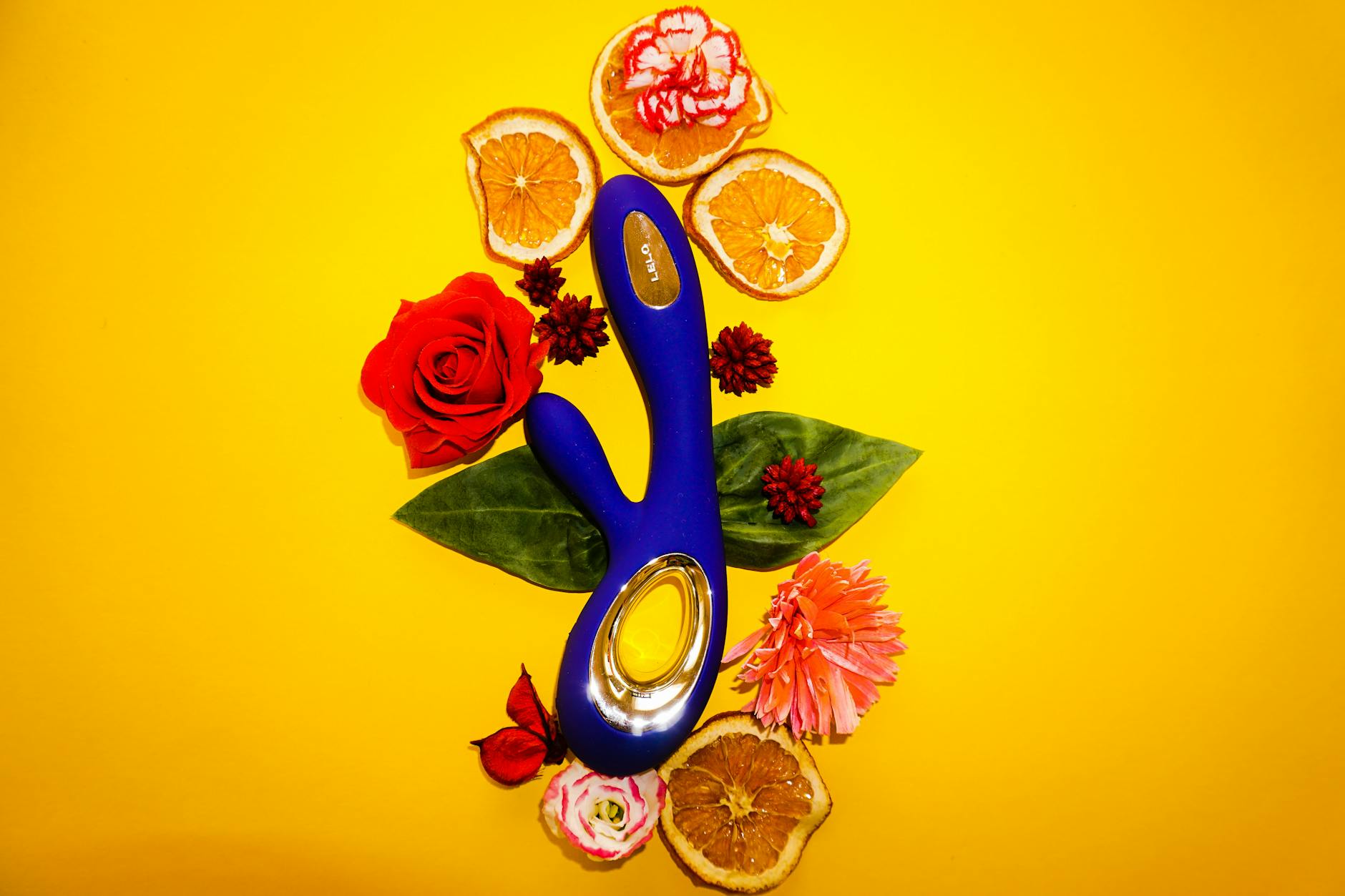
Here's what nobody tells you about solo sex
Solo sex with a lemon vibrator is not a consolation prize for people without partners. It's genuinely its own experience, with its own advantages. When you're alone, there's no pressure to perform, no timeline imposed by someone else's arousal, and zero need to compromise on what feels good.
The thing is, most people approach solo sex like they're racing through a checklist. Turn it on, find the spot, wait for the finish. That's functional, sure, but it misses the actual depth that's possible when you slow down and pay attention. A good lemon clitoral vibrator like the Lem can take you somewhere much deeper than that, but only if you know how to use it.
Why the lead-up matters more than you think
The mistake I see most often in my practice is that people skip the warm-up. They think vibrators bypass the need for actual arousal, but that's backwards. A vibrator amplifies what's already there. If you're not genuinely turned on before you start, a lemon vibrator just feels like a buzzing toy against numb tissue.
Spend 10-15 minutes before you even touch the device with anything else. That could be fantasy, reading something that pulls you in, watching something that hits for you, or just touching yourself without any tool. Let your body actually wake up. You'll feel the difference immediately once you introduce the vibrator.
What changes when you do this: sensation sharpens, responses come faster, and the whole experience feels integrated instead of mechanical.
The actual technique that works
There are exactly three ways I recommend people approach this, depending on what you're after.
The exploration pass. Start on the lowest setting (pattern 1 or 2 on a lemon vibrator). Hold it lightly against different areas around the clitoris, not directly on it. Your clitoris is way bigger than the visible part—it's a whole internal structure. The sides, the hood, the upper areas, even the perineum below. Spend a couple minutes at each spot, paying attention to what creates the strongest response. Most people discover they prefer sensation slightly to one side rather than dead center. This pass usually takes 5-8 minutes and isn't about finishing; it's about mapping your own architecture.
The build-and-plateau rhythm. Once you know what spot works, increase intensity gradually. You're aiming for that sweet spot where you're aroused but not yet at the edge. Stay there. Breathe into it. Let tension accumulate without releasing. This is harder than it sounds because the instinct is to push toward the finish, but plateau work creates dramatically stronger orgasms. Spend 10-15 minutes in this zone. When you finally increase intensity or shift patterns, your body is primed to respond intensely.
The finish pass. Only when you're genuinely ready, shift to a pattern that feels more intense (pattern 3-5, depending on the device). Some people stay with steady stimulation; others prefer pulsing patterns. Do whatever builds momentum. This part is personal. The key is you've already spent enough time in arousal that the finish comes from a place of real readiness, not just friction.
Most people find they can orgasm more intensely when they actually pace themselves this way, because they're working with their body's arousal curve instead of against it.
What intensity level actually means
I've had clients tell me they feel "broken" because they can't orgasm on the lowest setting of a lemon vibrator. That's not a problem, that's information. Your body's responding accurately—you just need more sensation to build to that threshold. There's nothing wrong with using pattern 4 or 5. Start there if that's what works. The idea that you're "supposed" to need low intensity is marketing nonsense.
What matters is consistency. Find the pattern and intensity that creates that building sensation, and stay with it long enough for actual arousal to develop. Jumping between intensities every 30 seconds keeps you in the shallow end. Commit to a setting for at least 3-5 minutes unless something truly doesn't feel right.
The role of lubrication, even alone
Solo sex is when I most often hear people skip lubricant. The logic is usually "my body should handle it naturally." Sometimes it does. Often it doesn't, especially if you're using a vibrator on high intensity for more than a few minutes. Water-based lube isn't just about comfort, it's also about sensation. A tiny amount changes how the vibrator glides, reduces any friction that pulls your attention away from pleasure, and lets you stay focused on what feels good rather than managing discomfort.
If you have a lemon clitoral vibrator or any silicone toy, water-based is your only option anyway. A small pump or two is enough. You're not trying to simulate anything; you're just reducing unnecessary friction.
Building a longer session without burnout
One thing about solo sex is that you can take as long as you want without feeling like you're using someone else's time. That's not an excuse to go for an hour straight, but it's permission to actually explore instead of rushing.
Here's a structure that works: warm-up (10 minutes without the device), exploration phase (5-8 minutes on low), plateau building (8-12 minutes), then orgasm (as long as it takes). That's 30-45 minutes total for a genuinely satisfying session. You're not spending that whole time on edge; you're spending it in actual arousal.
After one orgasm, if you want to go again, take a 5-minute break. Walk around, drink water, let your nervous system reset. You'll get better sensation on the second round if you don't push through fatigue.
The mental part: what's actually happening in your head
This is the part therapists rarely talk about outside of a session, but it's crucial. Solo sex works best when you're genuinely present. That means managing the voice that says "am I taking too long," "is this weird," or "what if someone finds out." Those thoughts pull you directly out of arousal.
If you struggle with presence, try this: when you notice yourself spiraling into worry, bring your attention back to physical sensation. Where exactly does the vibrator feel best right now? What's your breathing doing? Are your muscles tight or relaxed? Anchor yourself back into your body instead of your head. This is active mindfulness, not meditation. You're staying in sensation intentionally.
For some people, fantasy or porn helps with presence. For others it's a distraction. You get to decide what your solo sex looks like, and you get to change your mind about what works month to month.
When solo sessions matter most
Solo sex isn't a backup plan for when you don't have a partner. It's actually foundational. When you know your own body, what patterns create pleasure, how long your arousal takes to build, and what intensity you genuinely prefer, you're better equipped for partnered sex too. You have data. You know yourself.
For people currently single, solo sex is also just... legitimate pleasure. You deserve that. No apologies, no guilt. A lemon vibrator exists partially because solo pleasure matters enough to design for it.
FAQ: Your actual questions answered
How long should a solo session realistically take? There's no "should." But 20-45 minutes is a realistic window if you want to build real arousal and have a satisfying finish. Quick sessions (5-10 minutes) are fine when you're in a rush, but they don't feel the same as when you have time. Give yourself time occasionally.
Can you use a lemon clitoral vibrator every day? Yes, physically it's fine. Your tissue doesn't get "desensitized" from regular use like some myths suggest. That said, if you notice you need higher intensity to feel anything, you might benefit from a day or two off, or just shorter sessions to let sensation refresh. It's more about energy and attention than about numbness.
What if you orgasm really quickly and you want to last longer? Low intensity, longer warm-up, and plateau work before increasing intensity. Fast orgasms mean you're getting turned on quickly—that's not a flaw, that's information. You can extend the experience by staying on lower settings longer instead of racing toward high intensity.
Should you use a lemon vibrator with or without underwear? Direct contact works better for most people, but if you have sensitive skin or you're in a session where you want gentler sensation, a thin layer between you and the device is fine. You'll have less direct stimulation but sometimes that's exactly what you want.
Does using a lemon vibrator alone make partnered sex harder? No, the opposite usually happens. When you know what your body responds to, you can guide a partner or yourself during partnered sex. The concern is usually based on the myth that vibrators cause "dependency," which isn't real—your body doesn't forget how to respond to other types of stimulation.
What if solo sex feels lonely instead of pleasurable? That's real, and it's separate from the mechanics of the vibrator. Loneliness and desire are different things. If solo sex feels like a substitute for connection you actually want, that might be worth sitting with separately. But plenty of coupled people also do solo sex intentionally. It's not about loneliness; it's about self-directed pleasure on your own terms.
The bigger picture
Solo sex with a lemon clitoral vibrator is a complete experience on its own. It's not practice for partnered sex, it's not a consolation prize, and it's not something to apologize for. It's an opportunity to learn your own body, build confidence in your pleasure, and spend time on something that actually matters: feeling good.
The technique matters less than the permission you give yourself to slow down, explore, and stay present. Everything else follows from there. If you want to dive deeper into technique or have questions about how your body's responding, we're here to help. Reach out anytime.
Sources
Information in this article draws on clinical experience in relationship counseling, behavioral sexology research on solo sexual practice, and interviews with individuals about their experiences with vibrator use and arousal patterns.