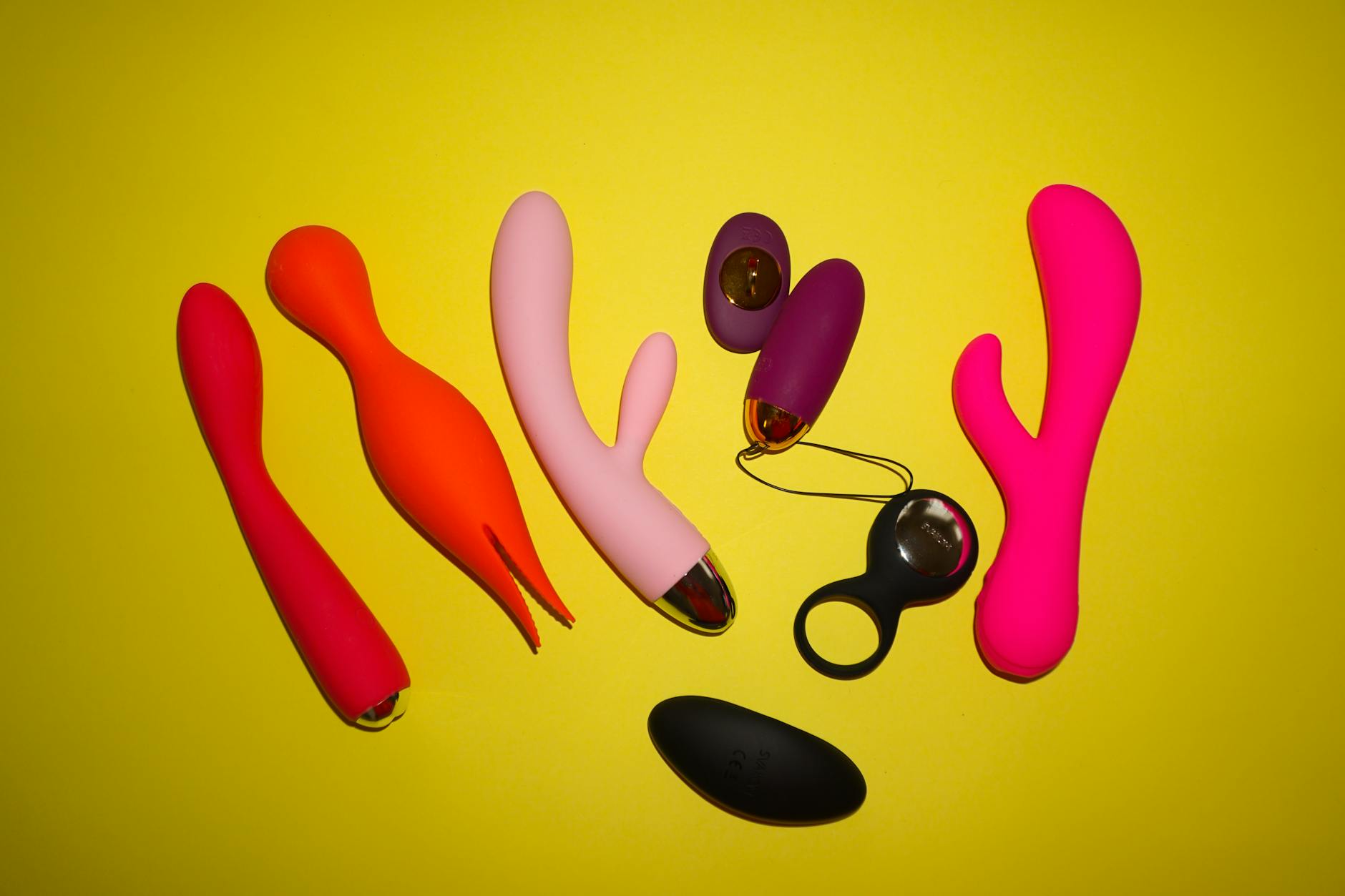
Here's what nobody tells you about orgasm timing
Everyone wants a number. Two minutes? Five? Twelve? The truth is messier than that, and honestly, way more interesting. Orgasm timing with a lemon vibrator depends on at least seven different variables, most of which you can actually control.
I'm going to walk you through what actually happens in those first minutes, why some people find rhythm immediately and others take longer, and whether that timing matters at all (spoiler: it doesn't, but the confidence does).
The average is meaningless, but here's what research actually shows
Studies on orgasm duration consistently show that people with vulvas typically take anywhere from 2 to 43 minutes to reach orgasm, depending on the method. With a vibrator, the range narrows significantly. Most people report their first orgasm with a lemon clitoral vibrator happens between 5 and 15 minutes, but that's not the whole story.
What matters more than the number is what you're comparing it to. If you typically take 20 minutes with manual stimulation, a lemon vibrator might cut that to 8 or 9 minutes. If you've never orgasmed consistently, your timeline might be completely different from someone who has. The thing nobody says out loud: faster isn't better, and it never has been.
Why the first two minutes feel like they're not working
This is where I see the most disappointment, and it's fixable. When you first turn on a lemon vibrator, you're not actually behind schedule. Your body is warming up. The clitoral tissue needs increased blood flow to become fully responsive. That rush of sensation you feel in the first 30 seconds is your nervous system waking up, not a promise of immediate payoff.
Here's what's actually happening physiologically. Arousal isn't binary. Your parasympathetic nervous system is gradually shifting into gear. Blood is pooling in the clitoral area. Neural pathways for sensation are firing more densely. None of this is instantaneous, even though marketing for vibrators sometimes makes it sound like it should be.
If you feel nothing in the first two minutes, you're not broken. You're exactly on schedule.
Pattern matters way more than speed
One of the biggest discoveries for people using a lemon vibrator for the first time is that speed isn't the main variable. Pattern is.
The Lem's unique air-suction mechanism works differently from a traditional bullet vibrator. It cycles through patterns at different rhythms, and your body responds more to the variation in stimulation than to raw intensity. I've had clients tell me they can orgasm faster on pattern 2 than on pattern 5, even though pattern 5 is nominally "faster." That's because pattern 2 hits their specific nerve clusters in the sequence their body is primed for.
This is why experimentation matters. Some people find their rhythm at pattern 1 and stay there for 8 minutes. Others need to build through patterns 1, 2, and 3 over the course of 12 minutes. Neither is slower. They're just different maps to the same destination.
Your mental state rewrites the clock
Let's talk about the thing that changes everything: distraction. If you're worried about taking too long, if you're performing for a partner, if you're checking the clock, your nervous system knows. Stress hormones activate your sympathetic nervous system, which literally suppresses blood flow to the clitoris and tells your brain to prioritize survival over pleasure.
I've worked with couples where someone was taking 30 minutes with a lemon vibrator and thought they were broken. Then they stopped worrying about the timeline and the same person reached orgasm in 12 minutes. The vibrator didn't change. The pressure did.
This is also why solo exploration is valuable, even if you eventually want partnered pleasure. Alone, you can find your actual timeline instead of your anxious timeline. That takes the pressure off and actually makes things faster.
Arousal phase changes everything about your baseline
You probably already know this intuitively, but here it is stated plainly: where you are in your cycle affects how fast you respond to the lemon clitoral vibrator.
During the follicular phase (roughly days 1-14 of your cycle), estrogen is rising and clitoral sensitivity typically increases. Orgasms often come faster. During the luteal phase, progesterone rises and sensitivity often decreases slightly. This doesn't mean orgasm is impossible. It just means your timeline might shift by 5 or 7 minutes.
If you're on hormonal birth control, this cycling is less pronounced but often still present. If you're post-menopausal, your baseline sensitivity might be different entirely, though many people find a lemon sucker actually works better for them than traditional vibrators because the air-suction mechanism doesn't rely on tissue sensitivity the same way.
Medication and arousal blockers add real minutes
Antidepressants, certain blood pressure medications, and antihistamines can genuinely slow orgasm timing. This isn't in your head. It's biochemistry. If you've been on an SSRI for years and suddenly added a lemon vibrator to your routine, your timeline might be longer than someone not on medication. That's not a failure. That's just data.
The same applies to stress levels, sleep quality, and whether you've eaten recently. Low blood sugar makes it harder to reach orgasm. Exhaustion does too. A lemon vibrator can't override your body's real needs. Some days you'll be able to reach orgasm in 6 minutes. Other days it might take 18. Both are completely normal.
Partner presence changes the variables entirely
If you're exploring a lemon vibrator with a partner present, your timeline might be completely different from solo use. Some people find partnered stimulation actually faster because of the emotional connection and added sensation. Others find it slower because of performance pressure.
This is where I recommend something specific: if you're using a lemon vibrator in a new relationship without pressure, talk about timing as a non-issue beforehand. Remove the expectation that orgasm should happen on any particular schedule. The moment you do that, your actual timeline usually improves.
What "fast" actually means for long-term pleasure
Here's the thing that took me years to understand working with couples: orgasm in 3 minutes and orgasm in 20 minutes can feel completely different, and not always in the way you'd expect. A quick orgasm can feel surface-level. A longer build can feel deeper and more sustained. Neither is objectively better.
Where timing matters is repeatability. If you're trying to have multiple orgasms in one session, a longer first orgasm might leave you more sensitive for a second one faster. If you want a single intense experience, the timeline for that might be totally different from your usual rhythm.
The Lem's intensity levels actually help here. Many people find that starting at pattern 1 for 10 minutes, then building through patterns 2 and 3, creates a deeper experience than jumping straight to pattern 5. It's not faster. It's better.
Why comparing your timeline to someone else's is the worst metric
I've had people tell me, "I read that most people orgasm in 5 minutes with a lemon vibrator, but I'm taking 12." Here's what I always say: most people who write about their timing online are either lying or exceptionally lucky. Real timelines are messy and personal and depend on everything from your neurology to your relationship status to whether you had enough sleep.
Instead of chasing someone else's number, chase your own consistency. Can you reliably reach orgasm? Does it feel good? Are you enjoying the process, or are you rushing through it? Those questions matter infinitely more than whether you're in the 5-minute or 15-minute camp.
The actual answer: time yourself if you're curious, then forget about it
If you want data, use your phone timer on your first few explorations. You'll learn your baseline, and that baseline will probably shift as your body gets more comfortable with the lemon vibrator. After that, I'd honestly recommend never timing it again. The moment you start watching the clock, your nervous system knows. And your nervous system is a lot better at reaching orgasm when it's not being monitored.
Your pleasure matters. The timeline for that pleasure is secondary. A lemon clitoral vibrator is a tool for what you want to feel, not a race to some finish line. That's the part that actually changes everything.
People also ask
Why does my lemon vibrator feel different on different days?
Your body is genuinely different day to day. Hydration, hormones, sleep, stress, and even what you ate affect clitoral sensitivity and how fast your nervous system responds to stimulation. A lemon vibrator amplifies these small shifts because it's so responsive to your body's state. If it feels different, that's your system giving you real information about what you need. Some days you might need more warm-up time. Other days pattern 2 works when pattern 1 would normally be your sweet spot. Trust those signals instead of fighting them.
Can I orgasm faster if I use a higher intensity pattern on my lemon vibrator?
Not always. Higher intensity doesn't guarantee faster orgasm. In fact, intensity that's too high too fast can actually overstimulate your clitoris and make orgasm harder. Many people find their fastest orgasms happen at moderate intensity with the right pattern. The Lem's pattern variation is actually more important than cranking up speed. Start with patterns 1-3 and experiment. You might find your sweet spot isn't the loudest or fastest option.
Is it normal to take 20 minutes with a lemon vibrator if I usually orgasm manually?
Completely normal. Manual stimulation and air-suction vibration are different sensations, and your body might need time to adjust to the new input. You're not slower. You're recalibrating. After a few sessions, your timeline usually shifts as your nervous system learns the pattern. Some people eventually get faster than they were manually. Others stay at 15-20 minutes but report deeper orgasms. Both are wins.
Does my medication affect how long it takes to orgasm with a lemon vibrator?
Yes, certain medications like SSRIs, some blood pressure drugs, and antihistamines can genuinely lengthen your timeline. This isn't psychological. It's neurochemical. If you've been on a medication for a while and adding a lemon vibrator to your routine, give yourself at least 5-10 sessions before deciding something isn't working. Your body might just need time to establish a new baseline with the added sensation and your specific chemistry.
Why does my partner present affect my orgasm timing with a lemon vibrator?
Attention, arousal, and emotional state all shift when someone else is in the room. Some people find partnered stimulation faster because of the intimacy and additional sensation. Others find it slower because of performance anxiety. If you're exploring with a partner, remove the expectation of a specific timeline before you start. Let it take whatever time it takes. The moment the pressure drops, your actual speed usually improves.
Does the Lem get better results faster than traditional vibrators?
The Lem's air-suction mechanism works differently from traditional vibrators, and many people find it effective more quickly because it stimulates a broader area of the clitoris with less direct pressure. But "better" and "faster" aren't the same thing. Some people reach orgasm faster with the Lem. Others prefer the sensation but take the same time. The real advantage is that the Lem works well for people with sensitive tissue or those whose bodies respond better to suction than vibration. Test it for yourself instead of assuming timing will be faster.
What matters more than the clock
If I'm being honest, I've spent way more time as a therapist talking couples through their anxiety about orgasm timing than I've spent talking about actual techniques. The timeline matters less than you think. What matters is that you feel safe, that you're not performing, and that you're genuinely curious about what your body wants. A lemon vibrator can be part of that. But it works best when you stop watching the clock and start listening to yourself. That's the shift that actually changes everything.