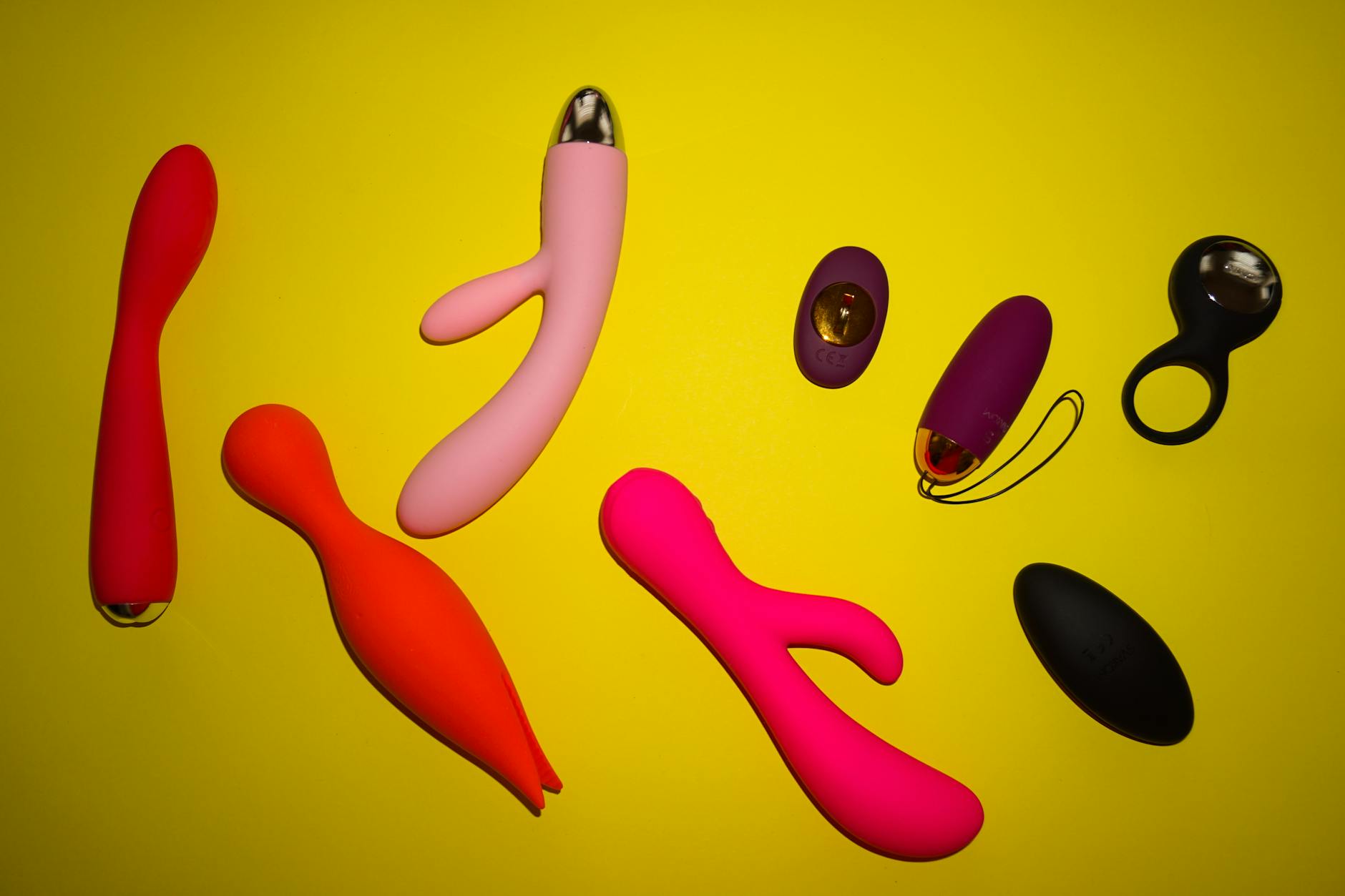
Let's talk about what sensitive actually means
Sensitive clitoral tissue isn't broken. It doesn't mean you're broken either. Sensitivity shows up as a too-sharp sensation, a rawness, or an overstimulation that makes you pull away instead of move closer. It can happen because of hormonal fluctuations, friction damage, pelvic floor tension, or sometimes just the wrong tool for your body right now.
Here's the thing nobody explains: not all vibrators feel the same on sensitive tissue. The shape, the pattern, the mechanism underneath it all—these change everything. A lemon vibrator works fundamentally differently than a traditional vibrator, and if your clitoris is reactive, that difference might be exactly what your body needs.
How standard vibration actually stimulates (and sometimes irritates)
Most vibrators work by moving the whole device up and down or side to side at high speed. That movement creates friction. Direct friction on sensitive tissue can feel great—or it can feel like your clitoris is being worked over with sandpaper. The problem gets worse the longer you go, because the pressure and heat keep building in one concentrated area.
With standard vibrators, you're also managing control constantly. Too much intensity? You have to pull away. Not enough? You shift position and hunt for the right angle. That hunt takes mental energy, which pulls you out of sensation.
The clitoral nerve endings are densely packed in a small area—about 8,000 nerves firing at once when stimulated. When a vibrator pounds that spot with repetitive force, it's like sending the same message over and over at top volume. Eventually, your nerve endings get fatigued or overwhelmed. That's why you might feel numb halfway through, or why it takes longer to orgasm, or why the sensation goes from pleasant to irritating.
Why suction feels different (and better for reactive tissue)
A lemon vibrator uses gentle suction instead of direct friction. Here's what that actually does: instead of a vibrating head making contact with your clitoris, the suction creates a seal around the area and then pulses. The sensation spreads across the whole clitoral complex—the external glans, the internal hood, the surrounding tissue—instead of hammering one concentrated point.
Think of the difference between someone pressing their finger directly on a bruise versus gently cupping the area around it. Both are contact, but one disperses pressure evenly while the other concentrates it.
With suction-based lemon clitoral vibrators, the stimulation also changes as the pattern changes. Some pulses feel like a gentle tug, others like a wave. That variety keeps your nerve endings engaged without fatiguing them. You're getting complexity instead of repetition.
Another bonus: suction creates a warming sensation that often feels soothing on tense or inflamed tissue. It increases blood flow gently rather than aggressively.
The anatomy piece that changes everything
Your clitoris isn't just the visible button. About 90 percent of clitoral tissue lives inside your body—internal ligaments, bulbs, and erectile structures that surround the vaginal opening. When you're experiencing sensitivity, that interior tissue is often involved, even if you only feel it on the outside.
Direct vibration tends to miss that internal component entirely because it's designed for surface contact. Suction, by contrast, pulls slightly inward. That gentle inward tug activates the internal structures without forcing them. You end up stimulating more of your own anatomy with less aggressive pressure. The result: fuller sensation, easier orgasm, way less irritation afterward.
This is also why some people find that lemon vibrators work better at lower intensity settings. You're not sacrificing sensation by turning the intensity down—you're actually getting a more complete experience because the suction is working your full clitoral anatomy rather than bullying the tip.
Practical differences you'll notice immediately
If you've been using traditional vibrators and your clitoris feels tender or numb, switching to a lem vibrator usually feels like relief. Here's what changes:
Less fatigue. You can use it longer without that numb, burnt-out feeling. The varied patterns keep sensation fresh instead of monotonous.
Faster arousal. Because suction spreads stimulation and engages more tissue, most people find they warm up faster and feel more turned on more quickly.
Less post-use soreness. No friction means no micro-tears or inflammation. Your tissue stays happy.
Better control. You can use higher intensity settings without pain because the pressure is distributed. Conversely, lower settings still feel like plenty because you're accessing more nerve endings.
Deeper sensation. Suction-based lemon clitoral vibrators often trigger more intense orgasms because they're working the full clitoral system. The release feels bigger, more full-bodied.
How to actually use one if your tissue is reactive
Start with settings one or two. Seriously. You won't be bored and you won't hurt. Use water-based lubricant even though you don't technically need it for suction to work—it makes the seal more comfortable and helps the device glide if you want to move it around.
Position it directly over your clitoris so the opening creates a seal, but don't press hard. Let the suction do the work. The pressure difference is what stimulates you, not your hand strength.
If intensity feels too much, move the device slightly so the seal isn't perfect. You're controlling intensity by adjusting the seal, not by changing the pattern. This gives you finer-tuned control than you'd get switching between intensity levels on a traditional vibrator.
Warm up for longer than you think you need to. Give yourself 10-15 minutes of gentle suction before expecting orgasm. Your body is learning a new sensation language, and rushing it defeats the point.
If you feel any sharp pain (not just intensity, but actual pain), stop. Sharp pain means something's wrong—maybe pelvic floor tension, maybe an infection, maybe just the wrong angle. Listen to it. Pain is information.
When sensitivity is a sign of something bigger
Reactive clitoral tissue sometimes points to pelvic floor dysfunction. Your pelvic floor muscles might be holding too much tension, which makes everything feel hypersensitive. If that's your situation, lemon vibrators still help, but so does pelvic floor stretching and relaxation work. Both matter.
Sometimes sensitivity shows up alongside signs of infection or irritation. If pain persists, if there's unusual discharge, or if redness doesn't fade in a day, see a gynecologist. Sensitive tissue plus infection is a different conversation than sensitive tissue alone.
If you're taking medications that affect circulation or nerve function—certain antidepressants, blood pressure meds, or hormonal treatments—talk to your doctor about whether those might be changing how your clitoris responds. Medication side effects are real and worth discussing directly.
The mental side of sensitivity (which is half the battle)
If your clitoris has been uncomfortable or painful, your brain has learned to brace for that. Even when you switch to a gentler tool, you might still tense up out of anticipation. That tension makes everything feel more intense and less pleasant.
This is where patience with yourself matters more than anything. The first few times using a lemon vibrator, your job isn't to orgasm. It's just to notice sensation without judgment. Feel what's happening. Let your nervous system learn that this tool is safe. Relaxation builds slowly.
Mindfulness helps too. Some people find that focusing on their breath or the warmth of the suction helps them stay present instead of waiting for the next sensation. You're retraining your attention, not just your anatomy.
FAQ: Your questions about sensitive tissue and lemon vibrators
Can I use a lemon vibrator if my clitoris feels raw or painful right now?
If pain is acute and sharp, wait. Let the tissue calm down for a few days. Once acute pain is gone but sensitivity remains, yes, a lemon vibrator is often the gentlest option. The suction distributes pressure in a way that feels soothing rather than irritating. Start at the lowest settings and go slowly.
Will using a lemon vibrator on sensitive tissue make it less sensitive over time?
Not exactly. What changes is your nervous system's relationship to stimulation. Sensitive tissue usually becomes less reactive when it's stimulated gently and consistently. You're teaching your body that sensation is safe. The tissue itself might stay sensitive to intense or direct friction, but it becomes more responsive to gentler input.
Is water-based lubricant required for a lemon vibrator to work on sensitive skin?
No. Suction doesn't require lubrication the way friction-based vibrators do. That said, adding water-based lube makes the experience more comfortable, helps the seal sit better, and can reduce any micro-friction. It's optional but recommended when tissue is reactive.
What's the difference between a lemon vibrator and other air-pulse or suction-based devices?
Design matters. A true lemon clitoral vibrator is engineered specifically for the anatomy of external stimulation. The opening size, the pattern variety, and the pressure gradations are all built around what actually feels good on sensitive clitoral tissue. Generic suction devices might work, but they're not optimized the way a lem vibrator is.
Can I switch between a lemon vibrator and a traditional vibrator if my sensitivity fluctuates?
Absolutely. Some days your tissue might want suction, other days it might want vibration. You're not locked into one tool. Having both options means you can listen to what your body needs on any given day. That flexibility is actually healthy—it keeps you attuned to your own signals.
How long does it take for sensitivity to improve with regular use of a lemon vibrator?
Most people notice a shift within 2-3 weeks of consistent use. The first week usually feels like adjustment. By week two, you typically feel less protective and more curious. By week three, many people report that their clitoris feels more responsive and less raw. Individual timelines vary based on what's causing the sensitivity in the first place.
The bottom line
Your clitoris is incredibly sophisticated. When standard vibrators feel wrong, it's not because you're broken or because your body doesn't work. It's because that tool doesn't match your anatomy or your nervous system's current state. A lemon vibrator approaches stimulation completely differently. The suction spreads pressure, engages your full clitoral system, and builds sensation gradually instead of hammering one spot. If you've been avoiding vibrators because previous ones hurt or irritated you, try a lem vibrator. Most people find it's the difference between discomfort and real pleasure. If you have questions about which tool might be right for your specific situation, reach out. We're here to help you figure it out.