
The medication paradox nobody warns you about
Your antidepressant saved your life. Your birth control prevents pregnancy. Your blood pressure medication keeps you out of the hospital. And all three of them have nuked your libido into the ground. This is not a side effect. This is a feature of how these drugs work. They dampen the neurochemical signals that drive desire, and that's actually doing exactly what they're supposed to do.
But here's what nobody tells you: you don't have to choose between staying on medication and having a sex life. It takes strategy, patience, and often, the right tools. Lemon vibrators can be the bridge between those two worlds.
Why medications kill desire in the first place
Antidepressants (especially SSRIs) work by keeping serotonin in your system longer. That's great for mood. It's terrible for desire because serotonin actively suppresses dopamine and norepinephrine. The latter two are what light up when you feel turned on. So you end up chemically calm, but also chemically not-interested.
Birth control pills flood your body with synthetic hormones that suppress testosterone and increase sex hormone binding globulin. When your testosterone is bound up, you can't feel it. Desire plummets. Blood pressure medications can affect blood flow to the genitals, making arousal slower and orgasm harder to reach.
The cruel part? These are usually exactly the medications you need to stay on. Your mental health or physical health depends on them. Stopping them is not the solution. But accepting a flatlined sex life also isn't.
How lemon vibrators rewire the arousal pathway
Here's where lemon clitoral vibrators become genuinely useful. When medications suppress your natural arousal signals, external stimulation can bypass some of that chemical blockade and wake up the nervous system directly.
Lemon vibrators work through suction and micro-pulses. Unlike traditional bullet vibrators that rely on friction intensity, the Lem's air-suction design stimulates nerve endings without requiring you to generate the biological "readiness" that medications have suppressed. You don't have to feel desire to start using it. The stimulation itself often creates the arousal that desire usually precedes.
This is backwards from how pleasure typically works, but it's not a bug. It's a workaround. Your brain chemistry says "meh." Your body gets a more direct signal and starts to respond. Often, after a few minutes of that response, mental desire follows. The physical leads the psychological.
The timeline for rebuilding arousal
Don't expect this to work like it did before medication changed things. Expect it to work differently, and expect it to take time.
Most people I work with report that the first week of regular use feels mechanical. You're using the lemon vibrator because you read that you should, not because you're on fire with desire. That's fine. That's normal. Keep going.
Week two, something shifts. The body starts to anticipate. There's a little flutter before you even reach for it. That's your dopamine system slowly waking up.
By week three or four, many people find that the arousal that felt impossible is now possible. Not easy. Not automatic. But possible. You've created a new pathway that doesn't depend on the neurochemical setup that medication has changed. The pathway says: I use this tool, my body responds, and pleasure happens. Your brain learns to follow.
Using a lemon vibrator when desire feels distant
Start low. Use the Lem on pattern 1 or 2, even if you're tempted to go higher. The goal is not intensity. The goal is consistency and discovery. What pattern creates the most sensation without being uncomfortable?
Budget 20 to 30 minutes. Medication-dampened arousal takes longer to build. You're not rushing to orgasm. You're teaching your body that pleasure is possible again. Some sessions will end with orgasm. Many won't. Both are working.
Use lube even if you think you don't need it. Medications often reduce natural lubrication too. Water-based lube helps sensation and reduces friction. It's not a sign of failure. It's practical.
Don't use it on the same day you take your medication if you can avoid it. Arousal is highest when the medication level in your bloodstream is lowest. If you take your antidepressant in the morning, try the lemon vibrator in the evening. If you take it at night, mid-morning or early afternoon might work better.
When to have the medication conversation with your doctor
Your doctor needs to know that your libido has flatlined. Not because they will automatically switch you to something else (they might, but it's not guaranteed), but because there are legitimate options to explore.
Different antidepressants have different sexual side effect profiles. Some SSRIs are gentler on desire than others. Bupropion (Wellbutrin) actually often increases desire. Mirtazapine tends to be less problematic. If you're on a medication with a rough sexual side effect profile, switching might be possible without losing the mental health benefits.
There are also add-on medications. Buspirone or ginseng supplements can sometimes offset SSRI-related sexual dysfunction. Timing adjustments help too. Taking your dose right after sex instead of before means the drug level is lower when you want to be aroused.
The conversation is awkward, but your doctor has had it hundreds of times. Lead with specifics: "I've lost almost all sexual desire since starting this medication. I need to find a way to stay on something for my depression that doesn't eliminate my sex life." That's not complaining. That's a legitimate medical concern.
The role of the lemon vibrator in partnership
If you have a partner, this gets more complex and also more resolvable.
Many partners of people on libido-killing medication feel rejected. They internalize the lack of desire as lack of attraction. That's almost never true, but the pain is real. Using a lemon vibrator isn't just about solo pleasure. It's about showing your partner that desire is still accessible, even if it's different now.
Some couples find that introducing external stimulation removes the performance pressure that already-shaky desire can't handle. Instead of "I have to initiate because my partner needs me to," it becomes "we're using this tool together to find pleasure." That's a different dynamic entirely.
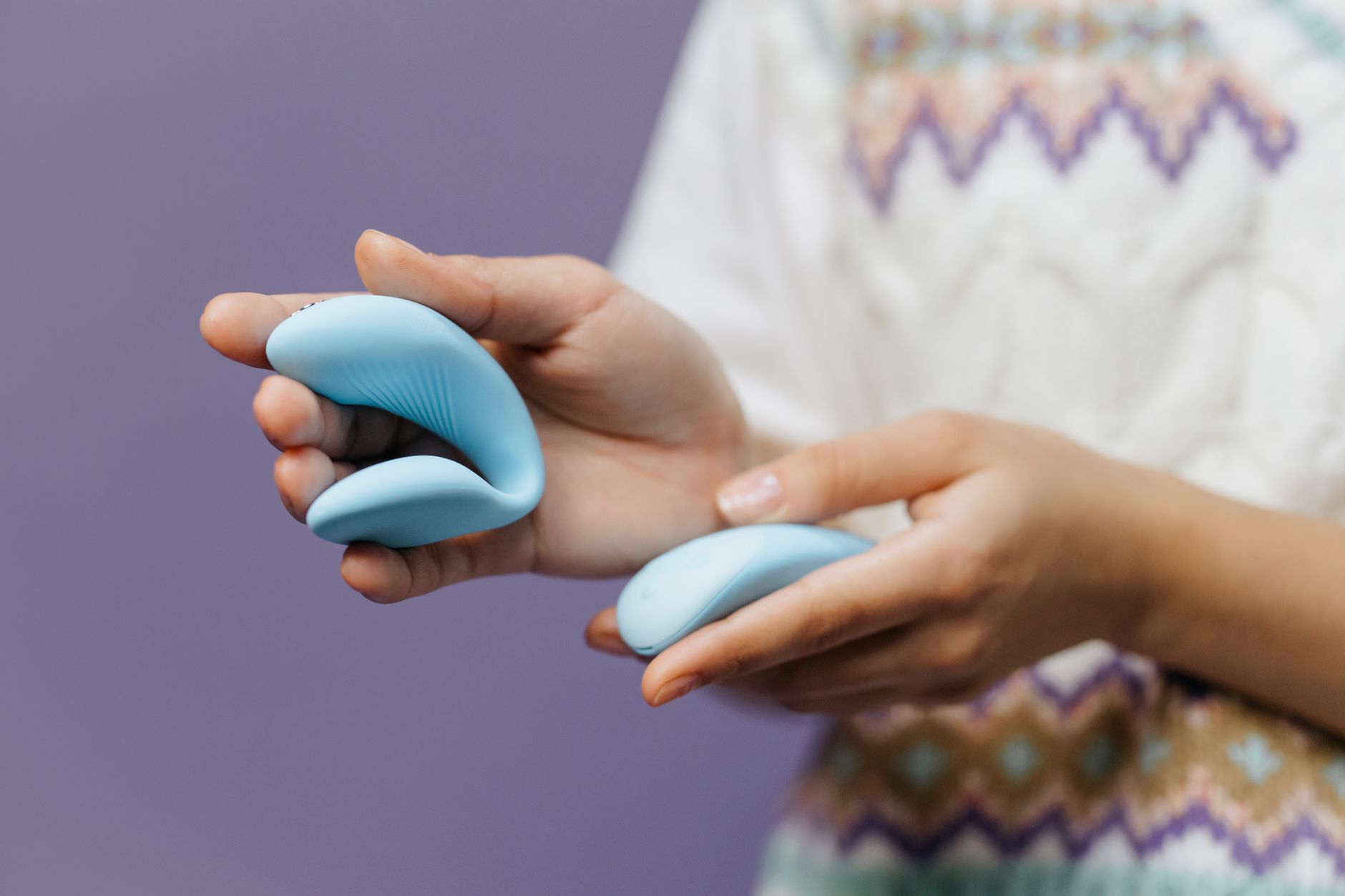
Photo by cottonbro studio on Pexels
Combining lemon vibrators with other strategies
The vibrator is one piece, not the whole puzzle. Here's what works together:
Timing matters. Arousal is easiest when your medication level is lowest and your stress level is lowest. That usually means evening, weekend, not right after work or a hard day.
Foreplay rebuilds the arousal scaffold. Kissing, touch, and attention to non-genital pleasure take time when desire is suppressed. Budget for it. Your partner or your own hands start the process. The lemon vibrator finishes it.
Novelty and exploration help. When the same routine feels flat, trying different patterns on the vibrator or different positions or even different times of day can jolt the system. The brain wakes up. Dopamine responds to newness.
Managing stress directly impacts desire. This isn't spiritual. It's neurochemical. Cortisol (the stress hormone) competes with dopamine. Walks, sleep, time off, therapy. Any reduction in baseline stress creates more bandwidth for arousal. The vibrator can't overcome ongoing chronic stress.
Read more about how to use lemon vibrators with antidepressants and manage sexual side effects for deeper strategies on medication timing and arousal management.
The permission you might need
Here's the thing. Using a lemon vibrator when medication has dampened desire can feel clinical or wrong. Like you're trying to force yourself. Like if desire isn't natural, it doesn't count.
That's not true. Your medication is also not natural. It's a tool that saves your life by changing your brain chemistry. A lemon vibrator is just another tool. Neither of them is cheating or failing. Both of them are working with your actual body and brain, not the fantasy version.
You deserve pleasure in your life. You deserve to feel desired and to feel desire. Medication took that away because it had to. But you don't have to accept that loss as permanent. Rebuilding arousal takes intention, patience, and sometimes the right external support. That's not defeat. That's strategy.
FAQ: Medication, Desire, and Lemon Vibrators
Will using a lemon vibrator eventually restore my natural desire?
Sometimes. Many people find that consistent stimulation over weeks and months does gradually rewire the arousal response, making natural desire easier to access. But for others, the vibrator remains necessary for creating arousal that the medication continues to suppress. Both outcomes are fine. Your goal is pleasure and connection, not proving that medication hasn't changed you.
Can I use a lemon vibrator right after taking my antidepressant?
You can, but it's usually less effective. The medication level is highest in your bloodstream right after you take it, which is when dopamine suppression is strongest. Wait 8 to 12 hours after your dose if you can. If you take your medication at night, morning or early afternoon is often your best window.
What if the lemon vibrator doesn't help at all?
If after 4 to 6 weeks of regular use there's zero change, talk to your doctor. Some people need a medication adjustment before any external tool will help. Others find that a different class of vibrator (like air-suction vs. traditional vibration) works better. And sometimes the medication itself is the ceiling, and pleasure looks different now. That doesn't mean it's impossible.
Should I tell my partner I'm using a lemon vibrator for medication side effects?
That depends entirely on your relationship and what feels right to you. If you have a partner, opening that conversation can remove shame and create connection. "The medication is affecting my desire, and I'm trying something that helps" is honest and invites partnership. But privacy about your body is also valid. You don't owe anyone an explanation for how you rebuild your own pleasure.
Does using a lemon vibrator mean I should switch medications?
No. The vibrator can help you rebuild pleasure without changing medication. But if your sex life was vibrant before medication and is now completely gone, that's worth discussing with your doctor. It doesn't mean stopping the medication. It means exploring whether a different antidepressant or adjustment could give you both mental health benefits and a sex life.
Can a lemon clitoral vibrator help if I'm on multiple medications that affect desire?
Yes, often more than you'd expect. Multiple medications can create a compounding dampening effect, which sounds worse than it is. Because you're dealing with such significant neurochemical suppression, external stimulation has more room to create a noticeable shift. Many people on multiple desire-affecting medications report surprisingly strong responses to the lemon vibrator once they find the right timing and pattern.
Moving forward
Medications have edges. One of those edges is that they can flatten desire even as they save your life. That's a genuine loss, and it's worth grieving a little. But it's not permanent, and you have real options.
Start a conversation with your doctor. Give yourself permission to rebuild arousal differently than it worked before. Try a lemon vibrator consistently, not as a quick fix but as part of a strategy. Notice what shifts over weeks and months. Talk to your partner if you have one. Your pleasure matters. Your medication also matters. You don't have to choose.
Have questions about getting started with a clitoral vibrator? Reach out to Hello Nancy support for personalized guidance on finding what works for your body and situation.