Let's name the real thing first
Infidelity fractures trust in the body before it fractures trust in the mind. After betrayal, sex stops being a place where vulnerability feels safe. Even when both partners intellectually decide to stay and rebuild, the body remembers. Touch becomes loaded. Arousal feels like a betrayal of your own hurt. And initiating anything physical feels impossible when you're not sure if you're doing it because you want to or because you think you have to.
What I see with couples navigating this terrain is that the standard advice—just talk it out, go slow, try to reconnect—misses something critical. Reconnection after infidelity isn't about restoring what was there before. It's about building something entirely new together. And that often means introducing tools and frameworks that let both partners feel agency, safety, and pleasure simultaneously.
Why lemon vibrators specifically
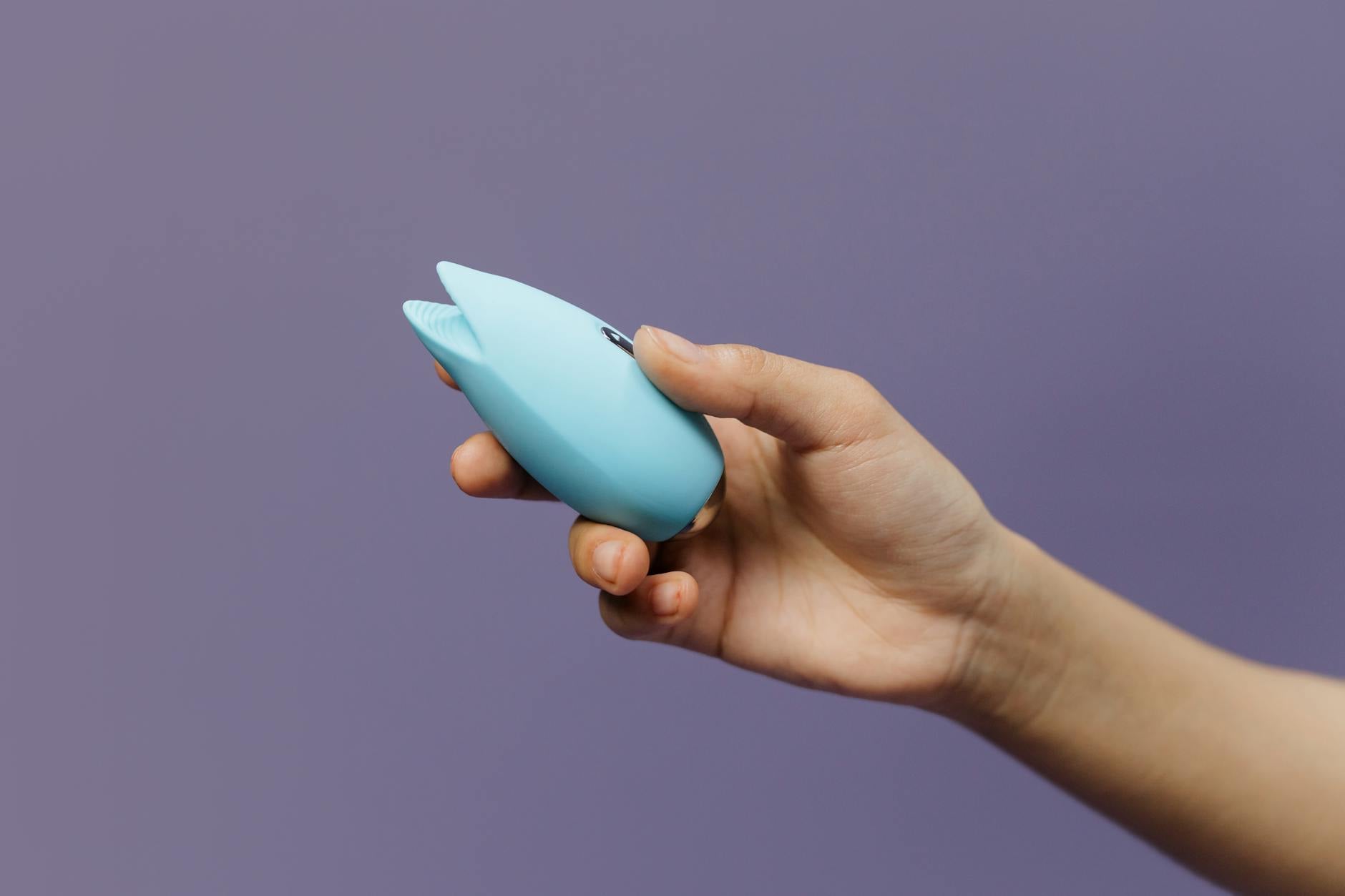
Here's what matters after infidelity: you need something that removes performance pressure from the equation entirely. A lemon clitoral vibrator does this in ways that partnered sex alone often can't.
When you're using a lemon vibrator together, the focus shifts from "Do they still want me?" to "How do we both feel good right now?" The vibrator becomes a third presence in the room, which sounds odd until you experience it. It neutralizes the power dynamic that usually exists in post-infidelity sex. Neither partner is the giver or the taker in the traditional sense. You're both collaborators in someone's pleasure, and that's a fundamentally different energy.
Lemon vibrators work particularly well for this because they're intuitive to use, don't require a lot of setup or explanation, and create sensations that feel distinctly different from partnered touch. That distinction matters. If you're rebuilding trust, you don't want the vibrator to feel like a replacement for your partner. You want it to feel like an addition, a tool that lets both of you explore pleasure in a way that feels safe and new.
The neurochemistry of rebuilding
When infidelity happens, the betrayed partner's nervous system goes into high alert. Touch becomes a threat signal, not a pleasure signal. The attentive partner, meanwhile, often experiences shame and a desperate need to prove they've changed. Both nervous systems are dysregulated.
Introducing a lemon sucker or clitoral vibrator into your reconnection work isn't about skipping the emotional work. It's about giving your nervous systems a concrete, manageable way to co-regulate. The vibrations provide a consistent, predictable stimulus. The shared focus on pleasure—rather than apology or reassurance—lets both partners step out of the roles they've been playing (guilty party, hurt party) and into something collaborative.
I recommend lemon vibrators specifically because the pattern of stimulation they provide (suction rather than pure vibration) engages the nervous system differently than traditional vibrators. Clients report that it feels less aggressive, more sustainable, and easier to stay present with. That sustained presence is where trust rebuilds.
Starting the conversation without shame
The hardest part isn't using a vibrator together. It's suggesting the idea without it feeling like one more thing you have to apologize for or defend.
If you're the partner who betrayed, here's how I frame it: "I've been thinking about how we rebuild pleasure in a way that feels safe for both of us. I found something that might help us explore that together." Not "I want to spice things up" or "I'm trying to make up for what I did." Those frame it as performance or manipulation.
If you're the partner who was betrayed, you get to set the pace entirely. "I'm not ready yet" is a complete sentence. When you are, you also get to decide how the vibrator is used. Do you want to use it on yourself while they watch? Do you want them to hold it? Do you want to try it together first without them present? All of those are valid starting points.
The key is removing the expectation that this is a fast track to normal sex. It's not. It's a slow, deliberate way to rebuild the nervous system's sense of safety around pleasure.
What reconnection actually looks like
In my practice, I see couples move through several phases. The first is often what I call "parallel pleasure." You're both present, but not necessarily touching each other. Maybe one partner uses a lemon vibrator while the other watches. The nervous system learns: "It's safe to feel good while they're here." That alone is profound after infidelity.
The second phase is collaborative. One partner uses the vibrator on the other, slowly building trust through that act of care. It's different from traditional sex because there's no expectation of reciprocal arousal. The pleasure is unidirectional, which removes a ton of pressure.
The third phase, if both partners want it, is integrated. The vibrator becomes part of partnered sex in whatever way feels right. Some couples use it alongside penetration. Others use it as foreplay. Some keep it as a solo tool that they just happen to use while their partner is present.
What matters is that you're not trying to return to pre-infidelity patterns. You're building new patterns that honor what happened and what you're both learning.
The grief work that needs to happen alongside this
Let me be clear about what a lemon clitoral vibrator cannot do: it cannot replace the emotional work of rebuilding trust. It can create the conditions for that work, but it's not the work itself.
You still need to talk about what led to the infidelity. You still need to address whether the relationship structure is working for both of you. You still need to grieve what was lost. A vibrator is a tool for rebuilding pleasure. It's not a substitute for therapy, honest conversation, or the hard work of deciding whether you both actually want to stay.
But here's what I see happen again and again: once couples introduce a tool like a lemon vibrator, they're less defensive during those conversations. When you've experienced shared pleasure after betrayal, when you've co-regulated your nervous systems around something physical, the emotional conversations become less loaded. You're not fighting from a place of touch deprivation on top of everything else.
Timing and readiness
There's no universal timeline for when it's the right moment to introduce a vibrator after infidelity. Some couples need six months of therapy and conversation first. Others find that a structured tool helps unlock the conversations that were stalled.
What I look for is this: can both partners name their own needs without resentment creeping in? Can you sit in the same room and talk about pleasure without it becoming about blame? Are you both genuinely interested in rebuilding, not just going through the motions?
If the answer is yes, then a lemon vibrator might be the missing piece. If the answer is no, then the vibrator will just become another source of friction.
Respect that readiness. If your partner isn't ready, that's information about where you are in the healing process, not a referendum on whether the relationship can be saved.
What happens next
Some couples find that reconnecting with a lemon vibrator is their gateway back to partnered pleasure. Others find that it becomes their primary tool, and that's okay too. Some decide, through the process of rebuilding, that they don't actually want to stay together. That's also okay.
What matters is that you're choosing your next move from a place of presence and agency, not from fear or obligation. A good tool, like a lemon clitoral vibrator, gives you the space to make that choice clearly.
Frequently asked questions
How long does it typically take to feel comfortable using a vibrator with a partner after infidelity?
There's no standard timeline, but I usually see couples moving into parallel pleasure within 4-8 weeks of starting therapy and reconnection work. Some take months. The question isn't "How fast should this happen?" but "Do we both feel safer this week than we did last week?" If yes, you're on track.
Will using a vibrator make my partner feel like they're not enough?
Not if you frame it correctly. You're not saying "I need this because you failed." You're saying "I want us to rebuild pleasure in a new way that honors what happened." The vibrator isn't a replacement for your partner. It's a tool you're using together. In fact, many couples report that using a lemon vibrator actually deepens their sense of partnership because they're collaborating on something vulnerable.
Is it normal to feel guilty using a vibrator after being betrayed?
Completely normal. Your nervous system learned that pleasure isn't safe. A vibrator might feel like you're abandoning hurt you're supposed to be holding onto. That's worth exploring with a therapist. But yes, guilt is common and it does pass as your nervous system learns that feeling good doesn't mean you've forgiven too fast or settled for less.
Can a lemon vibrator actually help us decide whether to stay together?
Indirectly, yes. When you remove the physical pressure and try to rebuild pleasure together, you get clearer information about whether you actually want to stay. Some couples find reconnection is possible and even beautiful. Others realize they're going through the motions out of obligation or fear of starting over. A vibrator won't tell you which one you are, but it creates the conditions for that clarity.
What if my partner wants to use a vibrator but I'm not ready?
That's information worth honoring. You get to say no. And if you're the one who wants to use one and your partner isn't ready, you get to say that too. Readiness is individual. What matters is that you're both moving toward yes over time, not staying stuck in no because someone feels pressured.
Should we talk to a therapist before introducing a vibrator?
I'd say at least talk to each other first. Can you have a conversation about pleasure without defensiveness? Can you name what you both need? If yes, a vibrator might be the next step. If no, therapy first. A tool is only useful if you're both in a place to use it consciously.
The rebuild starts here
Infidelity breaks something. And broken things, when they're repaired thoughtfully, often become stronger than they were before. Not because the break didn't matter. Because you both chose to show up after it.
Using a lemon vibrator together isn't about pretending nothing happened. It's about building a new framework for pleasure, trust, and vulnerability. It's slow. It's sometimes awkward. And for many couples I work with, it's the turning point where reconnection stops being theoretical and becomes something you can actually feel.
If you're navigating this terrain, know that there's no shame in needing tools. There's no weakness in asking for help. And there's no timeline that says you should be "over it" by now. Rebuilding happens at the pace that feels safe for both partners. A lemon clitoral vibrator can be part of that journey. So can conversation, therapy, and the simple decision to try again.