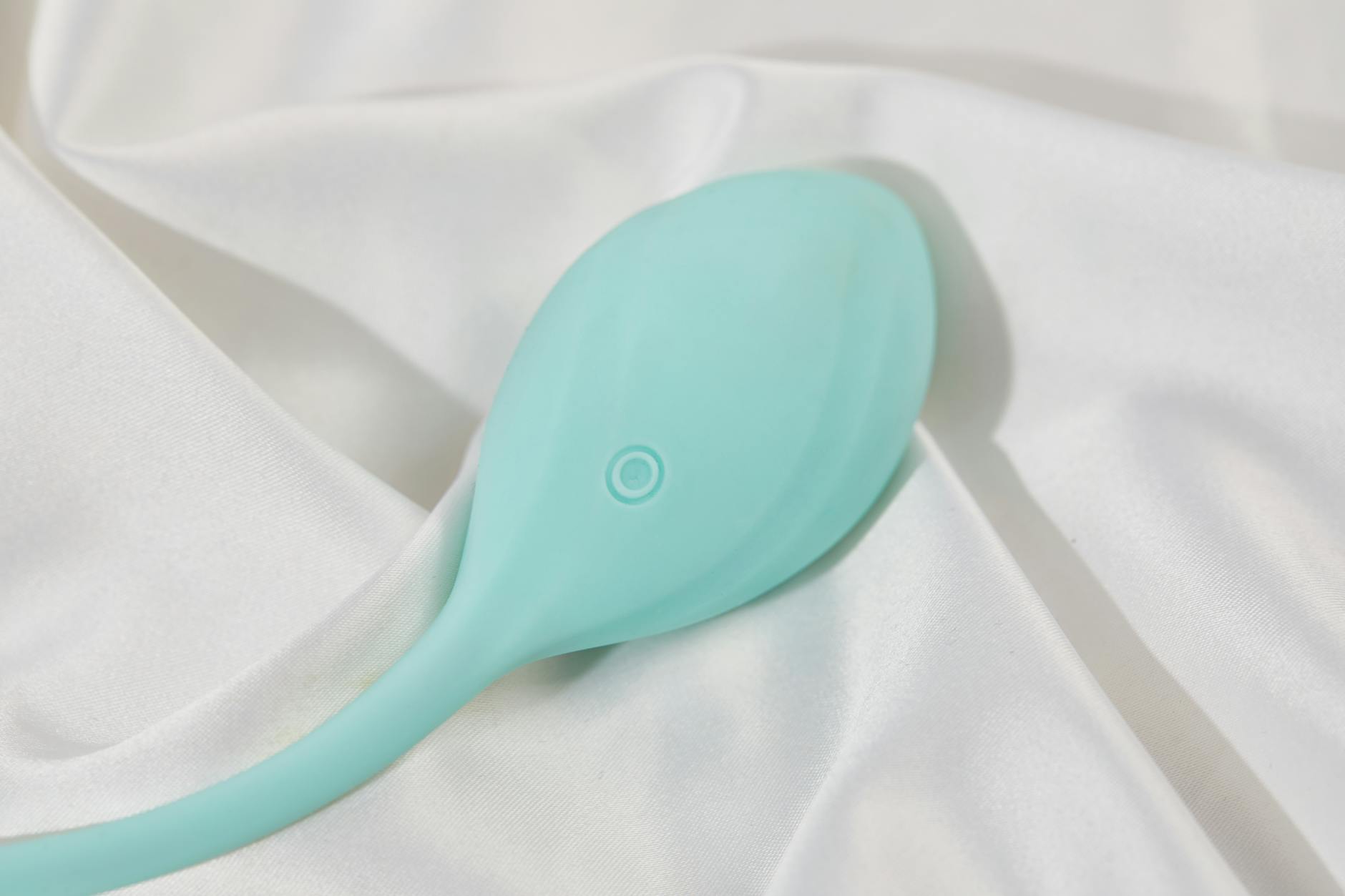
Let's talk about what actually happens
Hormonal changes affect pleasure. They don't end it. That's the distinction almost nobody explains clearly, and it's the one that actually matters.
When hormones shift—whether from birth control changes, perimenopause, postpartum recovery, or medical transition—your body's response to touch genuinely changes. Lubrication patterns shift. Tissue sensitivity adjusts. The speed of arousal feels different. But here's what doesn't change: your capacity for pleasure, your nerve endings' ability to feel stimulation, or your brain's wiring for desire.
I work with couples navigating these transitions constantly, and the biggest mistake people make is assuming the change is permanent or total. It's neither. It's a recalibration.
Why touch feels different after hormonal shifts
Three things happen physiologically when hormones change:
Estrogen and progesterone directly affect blood flow to genital tissue. When these hormones drop or change, the tissue becomes thinner in some places, less elastic in others. This changes sensation—sometimes making direct pressure feel sharper, sometimes making it harder to feel subtle touch. It's not numbness. It's a shift in the type of sensation that registers.
Neurologically, arousal takes longer to build. Your brain still wants pleasure. The pathway there just got longer. Most people interpret this as lost desire when it's actually just a pacing change. A car going 40 mph isn't broken. It's running at a different speed.
The pelvic floor—those muscles that support everything—gets less hormonal support. When they're tense (which happens more easily without estrogen's relaxant effect), direct vibration can feel overwhelming instead of pleasurable. That's where the suction-based design of lemon vibrators changes everything.
Why lemon vibrators work differently with hormonal changes
The clitoral suction mechanism that defines a lemon vibrator stimulates differently than traditional vibration alone. Instead of direct mechanical pressure on tissue, suction creates a gentle pulling sensation that engages the clitoral complex—including the internal branches that most people never know exist.
Here's why that matters after hormonal shifts: when tissue is thinner or more sensitive, suction distributes stimulation across a wider area instead of concentrating pressure on one point. You get intensity without the sharp, sometimes painful sensation that direct vibration can create. It's a completely different sensation profile.
I've worked with clients who couldn't use traditional vibrators after hormonal changes but found lemon vibrators immediately accessible. The sensation felt new rather than like a broken version of what they used to experience.
The timing piece nobody mentions
Arousal after hormonal change requires a genuine time investment. I'm not talking romance or foreplay theater. I mean actual physiological buildup time.
Before hormonal shifts, you might have reached peak arousal in five to ten minutes. After, that might become fifteen to twenty-five minutes. This isn't failure. This is biological fact.
With lemon vibrators specifically, this works in your favor. The suction mechanism allows for extended sensation exploration at lower intensities. You can spend time at pattern one, two, or three without numbness setting in—something that happens faster with constant-speed bullet vibrators. The gradually escalating patterns let your body acclimate at its actual pace instead of fighting against it.
Adjusting expectations (not your body)
Here's what I tell couples: orgasm after hormonal change might feel different in timing, intensity, or even sensation type. Some people report orgasms feel more localized. Others experience them differently spread across the pelvic floor. This is normal nervous system recalibration, not damage.
What helps enormously is separating "orgasm" from "pleasure." If you're only focused on reaching climax, you'll miss the actual sensation shifts that are genuinely enjoyable. Exploration mode changes everything.
Lemon vibrators excel at this because the suction sensation is novel enough that it forces presence. You can't autopilot through it the way you might with a familiar vibration pattern. That attention actually rebuilds intimacy with your own body.
The partner conversation, done right
If you're with a partner, hormonal changes affect both of you—but not equally. Your body changed. Your partner's didn't. That asymmetry creates friction if you don't name it explicitly.
Instead of "My body doesn't work anymore," try: "My body's arousal timeline is different now. I need about twenty minutes instead of ten, and direct pressure sometimes feels sharp. Here's what actually feels good." That's information, not apology.
A lemon vibrator becomes a tool for that conversation because it's clearly a different sensation. It's not a replacement for anything. It's an explicit acknowledgment that you're exploring something new together. Partner involvement can be as simple as them setting the intensity level while you guide them, or them using it on you during foreplay. The novelty reduces performance pressure because you're literally trying something neither of you has done before.
When to loop in professional support
If pain appears during or after stimulation, that's a signal to see a doctor—not a reason to stop. Hormonal changes can create conditions like genitourinary syndrome or pelvic floor dysfunction, both of which are highly treatable. Don't wait months. Get it checked.
If desire has completely flatlined and isn't returning after a few weeks, that's worth mentioning to your provider too. Hormonal changes can occasionally uncover underlying depression or anxiety. That's real, and it's worth addressing.
But if sensation is just different? That's exploration time, not crisis time.
Making the practical adjustments
Four things I recommend to almost everyone navigating post-hormonal-change intimacy:
Use water-based lubricant. Not because you're broken, but because it genuinely reduces friction-based irritation. It also lets you explore longer without tissue fatigue.
Budget actual time. Thirty minutes instead of fifteen. This isn't negotiable if you want pleasure to feel like pleasure rather than like work.
Start at the lowest intensity and build up. Lemon vibrators have multiple pattern options specifically for this. Don't jump to maximum power. Your body will tell you when to escalate.
Pay attention to pelvic floor tension. After hormonal shifts, many people unconsciously clench the pelvic floor during arousal (the opposite of what helps). That tightness blocks sensation. Learning to actively relax—through breathing or targeted pelvic floor relaxation exercises—transforms the entire experience.
The permission part
Here's something nobody talks about: hormonal changes often come with a weird side benefit. Midlife or post-transition, many people stop performing sexuality for an imagined audience. The internalized pressure to look a certain way, to orgasm on cue, to be the "sexy" version of themselves—it genuinely lifts.
What fills that space is often curiosity. Real curiosity about what actually feels good in your specific body right now.
Lemon vibrators are permission objects. They're explicitly about exploration, not replication of something you used to do. That permission matters more than any specific tool.
FAQ
Do lemon vibrators work if you have hormonal sensitivity?
Yes. The suction mechanism means you're not relying on direct pressure alone. Start at the lowest setting and go slowly. If you have specific concerns—allergies to silicone, vulvodynia, or pelvic floor dysfunction—mention it to your provider. The Hello Nancy team can also recommend material options and intensity starts for your situation.
How long does it take to feel different with a lemon vibrator after hormonal changes?
Some people feel a difference in their first session. Others need three to four sessions to adjust to the new sensation. There's no timeline. What matters is that you're not comparing it to how old sensations felt. You're exploring what this sensation actually is.
Can you use a lemon vibrator during hormonal treatment or while taking hormonal medication?
Generally yes, but mention it to your provider if you're on hormone replacement therapy, birth control, or other medications that affect sensation. They'll flag anything specific you should know. The mechanism of action of a lemon vibrator doesn't conflict with most medications, but it's worth confirming for your specific situation.
Do lemon vibrators help if you've lost sensation from hormonal changes?
Likely yes. The suction creates a different type of stimulation than vibration alone. Many people who've experienced numbness or reduced sensation find that suction sensation registers when other stimulation doesn't. That said, sensation loss can have multiple causes. See your provider to rule out nerve damage or other factors.
How do you know if your hormonal changes are affecting intimacy or something else?
Honestly? They're usually both. Hormonal changes are real and physical. Emotional factors—stress, relationship shifts, body image changes, past trauma—also affect arousal. You don't have to choose. You can address both simultaneously. A therapist (especially one trained in sex therapy) can help you untangle what's what.
Should you use lemon vibrators solo or with a partner after hormonal changes?
Both. Solo exploration helps you learn what your body actually responds to without performance pressure. Partner play adds intimacy and novelty. Most people benefit from solo sessions first—that's where you figure out your own preferences—then bring that knowledge into partner time.
You're not starting from zero
Hormonal changes are real. They change how your body feels stimulation. But they don't rewrite your capacity for pleasure or erase your sexuality.
What they do is create an opportunity to explore intimacy differently—with yourself and with partners. That exploration is the whole point. Lemon clitoral vibrators are tools for that exploration, designed specifically for the kind of sensation and pacing that works after hormonal shifts.
Start slow. Be curious. Give yourself permission to feel different without judgment. The pleasure you're looking for isn't behind you. It's in front of you, waiting for you to explore it on your own terms.
If you're ready to explore, Hello Nancy is here to help. Questions about what might work best for your situation? Get in touch at /contact.