Let's talk about what happens to your body after betrayal
Relationship trauma doesn't just break your heart. It colonizes your nervous system. When someone violates your trust, your body learns to contract around intimacy. Touch becomes a threat detector instead of a source of pleasure. Many people I work with describe this as a complete shutdown. Desire doesn't disappear. It goes underground.
Here's the thing: healing isn't about forcing yourself back into partnered sex. It's about remembering what pleasure feels like when you're the only person in control.
Why solo pleasure matters in trauma recovery
After betrayal, your nervous system is hypervigilant. You're scanning for danger in moments that should feel safe. A partner's touch, even a well-intentioned one, can trigger a cascade of fight-or-flight responses that have nothing to do with your current relationship and everything to do with your past.
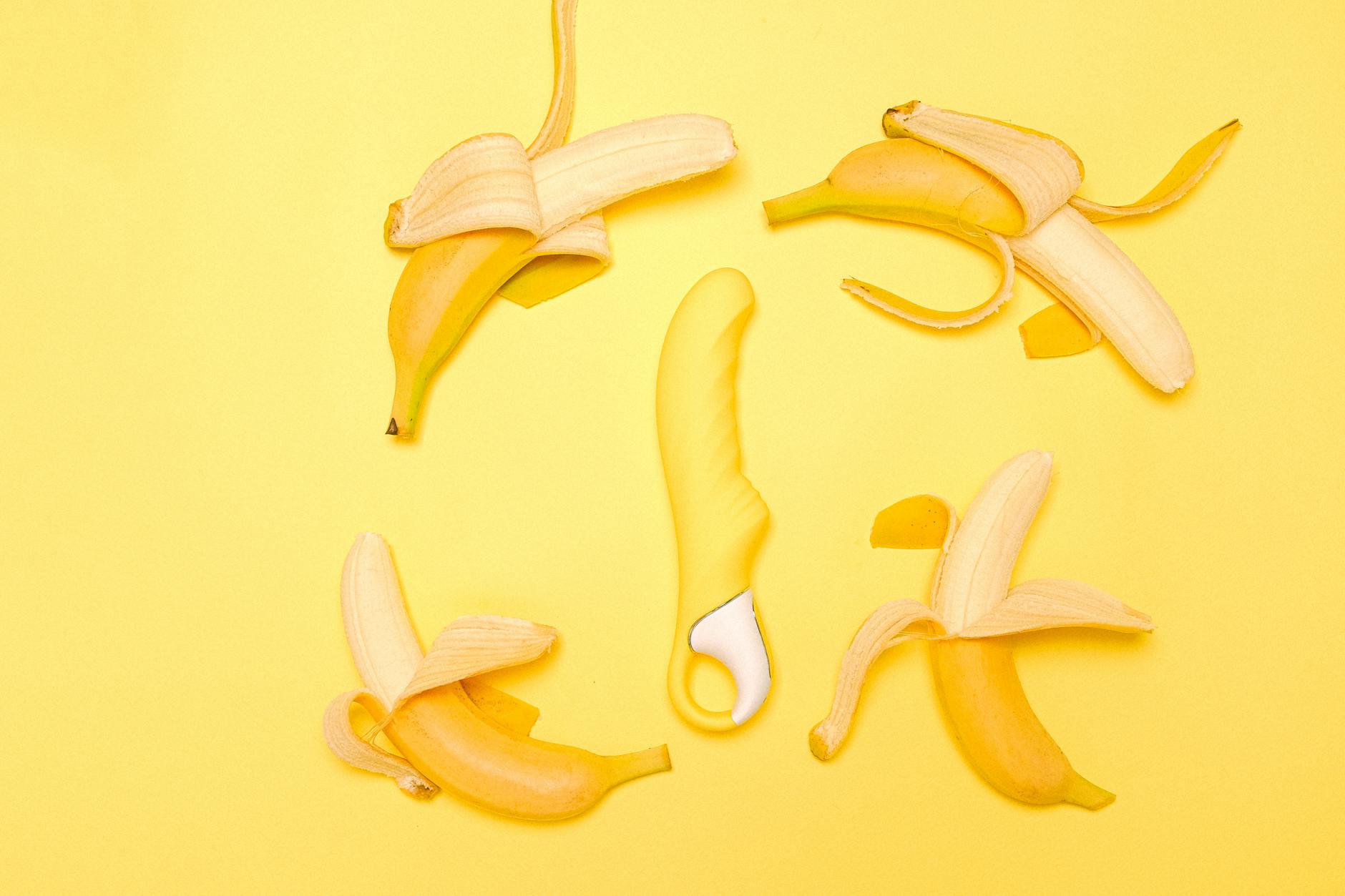
Solo exploration with a tool like a lemon clitoral vibrator does something specific: it separates pleasure from vulnerability. You're not watching someone else's face. You're not managing their needs. You're not negotiating boundaries mid-moment. The only person you need to trust is yourself.
Clinicallly, this matters because it rewires the neural pathways between touch and safety. When you experience consistent pleasure in a space where you have absolute control, your brain starts to disconnect arousal from threat. That's not just nice. That's structural healing.
How lemon vibrators specifically help with trauma recovery
Most vibrators use rapid, aggressive stimulation. They demand a lot from your nervous system. Lemon vibrators (and clitoral suckers more broadly) use gentle suction and pulsing patterns that don't feel like penetration or overstimulation. This matters immensely for people whose trauma involves violation or loss of bodily autonomy.
The sensation is different. It's focused without being invasive. It builds pleasure without speed. Many of my clients who have survived sexual trauma describe suction-based stimulation as the first time they've experienced pleasure that felt completely separate from panic or dissociation.
The slowness is also intentional. Trauma recovery isn't about intensity. It's about consistency. A lemon vibrator lets you spend 20 minutes exploring what your body actually wants, without the pressure to "finish" or perform arousal for someone else. That sustained, self-directed exploration is where real nervous system healing happens.
Starting over: first steps with solo devices
If you're new to this after trauma, here's my clinical recommendation.
First, set the environment. You need to feel physically safe. That might mean locking your door, setting a specific time, or using a particular room where you've never been touched without consent. Your nervous system needs to know this space is for you alone.
Second, start with the lowest pattern on your lemon clitoral vibrator. Not because you're "supposed to," but because your body might be hypersensitive right now. Trauma lives in your tissues. Gentle touch can bring up unexpected emotions. Slower speeds let you regulate what comes up instead of being swept away by it.
Third, expect to feel things besides pleasure. Some sessions you might feel nothing. Some you might feel grief or anger. That's not failure. That's your nervous system processing. The goal isn't an orgasm. The goal is reconnection with sensation without fear.
The role of orgasm in healing (and why it's not the point)
Here's what I tell most trauma survivors: if you orgasm, great. If you don't, that's equally valid.
After betrayal, many people assume their orgasm is broken. It's not. What's broken is the context it happened in. Your body learned that pleasure could be weaponized. That vulnerability could be exploited. Your nervous system is protecting you by shutting pleasure down.
Focusing obsessively on achieving an orgasm actually delays healing. It recreates the same performance pressure you might have felt in your previous relationship. Instead, the work is about rebuilding sensation without a goal. Spend time with your lemon vibrator noticing what feels neutral. What feels slightly pleasant. What feels like you're waking up from numbness.
Orgasms often come later, once your nervous system trusts that pleasure is safe.
When to introduce a partner again
This is the question everyone wants answered, and there's no universal timeline.
What I notice clinically is that people who have rebuilt solo pleasure first transition to partnered intimacy differently. They know what they want. They've experienced the difference between pleasure that serves them and pleasure that's negotiated. They have a baseline for what safety feels like.
If you're thinking about partnered sex again, here are the markers: Can you experience 10 minutes of solo pleasure without anxiety spiking? Can you touch yourself in front of a trusted partner without feeling exposed or ashamed? Have you had a conversation about your boundaries that felt complete, not rushed?
When you're ready, bringing a partner into the experience slowly matters. Sometimes that looks like using your lemon vibrator while a partner is present but not touching you. Sometimes it's showing them what patterns you like. The key is that you're leading the exploration. They're following your rhythm, not the other way around.
What helps: longer timelines, patience with yourself, grounding
Trauma recovery isn't linear. Some weeks solo exploration with your clitoral vibrator will feel amazing. Other weeks it might feel flat or triggering. Both are normal. Your nervous system is rewiring itself. That takes time.
I recommend partnering solo pleasure practice with grounding work. Before you start, notice five things you can see, four you can touch, three you can hear. This anchors you in the present moment. If you feel dissociation starting during pleasure, pause. Notice your feet on the ground. Feel the texture of whatever's around you. Your job is to stay present, not to push through.
Many people also benefit from pairing solo exploration with therapy or coaching specifically around trauma recovery. I'm not saying that lightly. Self-directed pleasure is powerful. It's also not a replacement for professional support, especially if the trauma involved prolonged abuse or involves flashbacks.
Why this matters for your future relationships
When you rebuild pleasure on your own terms first, you bring something different to future relationships. You know the difference between pressure and preference. You've experienced your own capacity for arousal and satisfaction without needing someone else to validate it. You've learned that your body belongs to you.
That changes everything about how you negotiate intimacy with a partner. You're not looking for them to fix your pleasure. You're looking for them to respect it. You're not desperate to prove you can still be sexual. You're discerning about who gets access to your body.
Survivor healing isn't about pretending the betrayal didn't happen. It's about proving to yourself that your pleasure doesn't depend on someone else's trustworthiness. Once you know that, the power imbalance dissolves.
People also ask
Is it normal to feel nothing when using a vibrator after trauma?
Completely normal. Trauma creates emotional numbness as a protection mechanism. Your nervous system learned that feeling things was dangerous, so it shut down sensation. Using a clitoral vibrator might not feel like anything for weeks or months. That doesn't mean it's not working. You're training your nervous system to recognize that sensation can be safe. Patience here is the whole point.
Can I use lemon vibrators if I'm triggered by certain types of touch?
Yes. That's actually why suction-based clitoral vibrators are so effective for trauma survivors. They're not penetrative. They don't mimic any particular person's touch. They're entirely separate from whatever triggered you before. Start at the lowest setting and stop whenever you need to. You're in control of everything, including duration and intensity.
Should I tell a future partner about my trauma before using vibrators together?
That depends on your comfort level and the relationship stage. What I'd recommend: before you introduce a clitoral vibrator into partnered play, have a conversation about your boundaries and what feels safe. You don't need to disclose your trauma history to set healthy limits. But having clarity about what you want and don't want removes a lot of guesswork.
How do I know if I'm healing or just dissociating during solo pleasure?
Dissociation often feels like being outside your body, fuzzy, or numb even while using your vibrator. Healing feels like gradually noticing sensation. You might feel warmth, subtle tingling, or gradually building pleasure. If you're consistently dissociating, that's worth exploring with a trauma-informed therapist. Solo pleasure should feel increasingly like reconnection, not escape.
Can using a vibrator trigger flashbacks?
Yes, and that's not a sign to stop. It's a sign that your nervous system is processing. If you get triggered during solo exploration, pause. Ground yourself. Notice what's around you. Once you're regulated, you can either continue gently or stop for the day. Repeated, regulated exposure to pleasure (in a safe context) actually helps your nervous system learn that sensation isn't dangerous.
How long does trauma recovery take before partnered sex feels normal again?
There's no timeline. Some people feel ready in months. Others take years. The markers are internal: Can you feel pleasure without panic? Can you communicate your boundaries clearly? Can you trust your own nervous system? Once you have those, partnered intimacy becomes possible. It might never feel exactly like it did before. But it often becomes richer, more intentional, and deeper.
The path forward
Healing from relationship trauma isn't about rushing back to partnered sexuality. It's about remembering that your body is yours alone first. When you spend time exploring pleasure with a tool you control, in a space you trust, with no one watching, something shifts. Your nervous system learns that sensation is safe again.
That learning becomes the foundation for everything else. Better boundaries. Clearer communication. More intentional choices about who gets to touch you and how.
Start small. Be patient. Your body's wisdom got you through the hard part. Now it's learning to feel good again. A lemon clitoral vibrator is just the tool. Your own nervous system is doing the real work.
If you're ready to explore this, you don't need permission. You just need time, a quiet space, and the belief that your pleasure matters. If you're wrestling with how to move forward or need guidance specific to your situation, reach out. Contact me anytime.