Let's start with the part nobody mentions clearly
Your cycle changes how you experience pleasure. Not whether you can feel it, but the pathway there. Arousal timing shifts. Sensation intensity fluctuates. What feels perfect in week two might feel too intense in week four. Most people don't realize this is totally normal until they've spent months thinking something is wrong with them.
This is where a lemon vibrator changes everything. The design of clitoral vibrators like the ones from Hell A Nancy Lem means you can adjust intensity instantly, which matters wildly more when your body's sensitivity is moving around.
How your cycle actually affects arousal and sensation
Estrogen and testosterone rise and fall across your cycle. During the follicular phase (right after your period through ovulation), estrogen climbs. This makes tissue more elastic, blood flow increases to your genitals, and arousal builds faster. Your clitoris is more engorged, which means it's also more sensitive. A setting on your lemon vibrator that felt perfect last week might feel too strong now.
During the luteal phase (after ovulation until your period), progesterone rises while estrogen dips. Arousal takes longer to build. Your clitoris becomes less engorged. Sensation feels duller initially, but here's what's interesting: many people report more intense, deeper orgasms in this phase once they get there. It just takes longer.
The middle of your cycle (ovulation) is a peak sensitivity window. Desire spikes. The clitoris is at maximum engorgement. This is often when people reach for a lemon sucker vibrator and wonder why it's suddenly overpowering.
Why lemon clitoral vibrators work better than standard vibrators during cycle shifts
Most vibrators have one speed. Full power, and you're done. A lemon vibrator gives you pattern options and intensity levels. This matters obsessively when you're cycling through hormonal states.
During high-sensitivity weeks, you can start at pattern one or two on the Lem and let your body guide you up. You're not locked into one speed and hoping it works. You're meeting your body where it actually is that day.
Low-sensitivity phases often need more sustained stimulation and a wider sensation range. The Lem's suction patterns (which work very differently from standard vibration) can build arousal more effectively during these windows because they stimulate a larger area of the vulva and create a different kind of pressure.
Honestly, the ability to change settings mid-session is the feature that changes the game. You don't have to restart. You don't have to switch toys. You adjust and keep going.
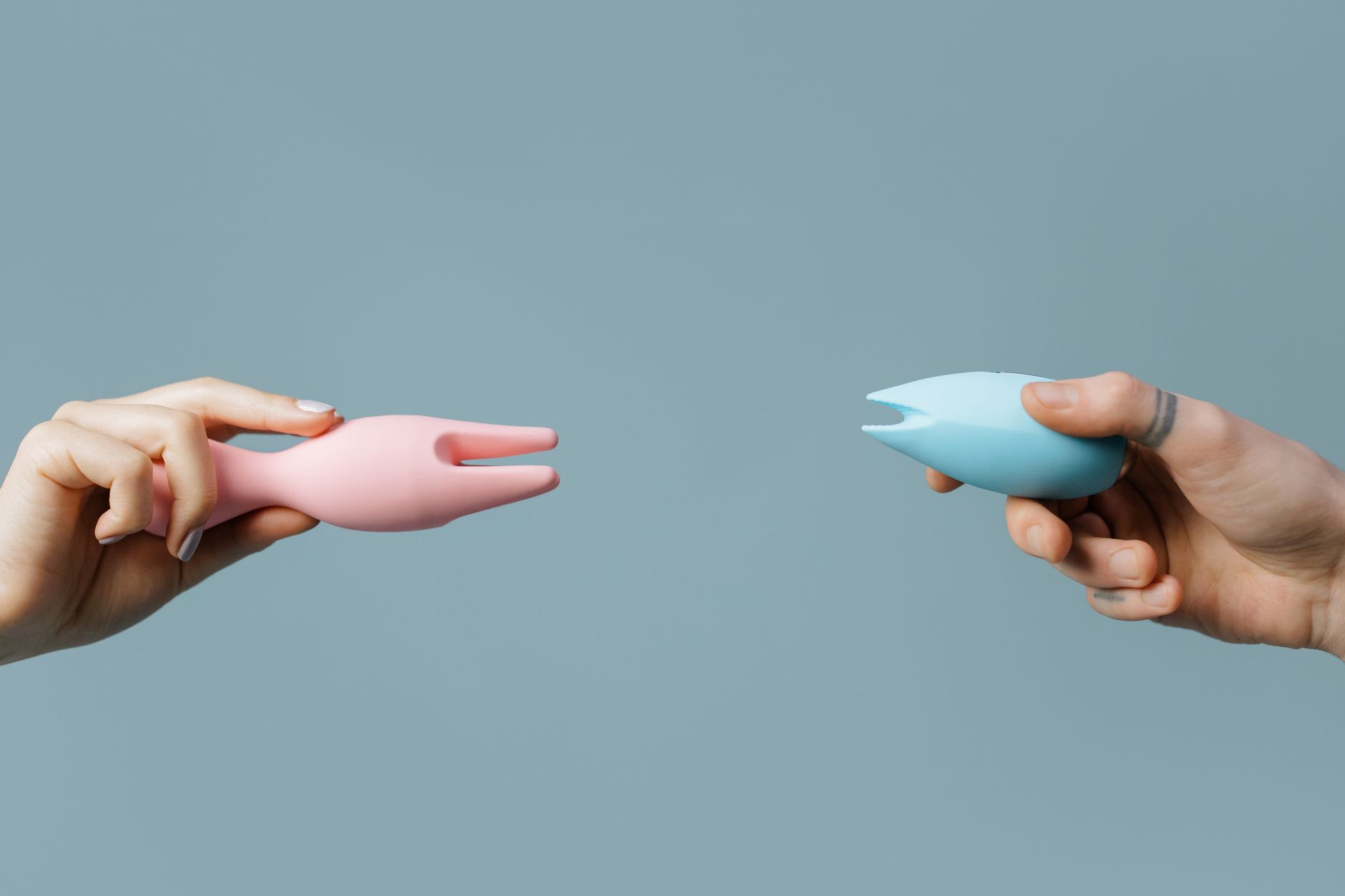
Photo by cottonbro studio on Pexels
Mapping the cycle: when to use what settings
Here's a practical framework I share with clients:
Follicular phase (days 1-10). Sensitivity is rising. Start lower than you think you'll need. The Lem's patterns 1-3 are your friends. You'll likely find yourself wanting to climb into 4-5 by mid-phase, and that's the point. Your body is telling you what it needs.
Ovulation window (days 11-14). Peak sensitivity. Stick with patterns 1-3 unless you specifically want intensity. Some people find that the suction mode at lower intensity hits differently than vibration modes during this window. Experiment here.
Luteal phase (days 15-28). Sensitivity drops. You might start at pattern 4 or 5 and feel nothing. That's not broken. Longer warm-up time helps. Pattern 5 or 6 often becomes your baseline during week three. By week four (right before your period), some people want even more intensity, while others want something gentler because everything feels tender. This is where you'll do the most adjustment.
Notice I'm not saying "use setting X during day Y." Bodies don't work that way. This is a range. The point is that your lemon vibrator lets you meet yourself where you are.
Why your partner should understand this (and how to explain it)
If you're sharing this with a partner, it's worth naming it directly. "My body is more sensitive around ovulation, and less so in the days before my period. I'm going to adjust the toy based on that, and it doesn't mean anything is wrong." Most partners feel relief when this is explained clearly, because it removes the assumption that they've done something wrong.
For partners using a lemon clitoral vibrator on someone else, this is critical. Sensitivity shifts mean constant communication matters more. A setting that made someone orgasm last week might be overwhelming this week. The ability to adjust instantly on the Lem means you're not fumbling around with different toys.
The mental piece (which is half the puzzle)
Hormones affect mood, anxiety, and how much you're in your own head. During high-progesterone phases, some people feel more anxious about performance. This, ironically, makes arousal harder. A lemon vibrator doesn't fix anxiety, but the control does. You're not at the mercy of one speed. You can pace yourself. You can slow down if you need to breathe. This sense of control calms the nervous system in ways a fixed-speed toy doesn't.
The other mental shift is permission. A lot of people think fluctuating sensitivity means their body is unreliable. It's actually just cycling through normal states. Once you name it and plan for it, it feels less like a failure and more like information. That reframe alone changes the experience.
When to use lubrication alongside hormonal shifts
Lubrication and cycle hormones are linked. High-estrogen weeks often mean more natural lubrication. Low-estrogen weeks (especially right before and during your period) might be drier. This affects how a lemon sucker vibrator feels. Water-based lube during drier phases isn't a sign something is wrong. It's how you adjust.
During ovulation and high-estrogen phases, you might not need additional lube at all. The natural shift feels slippery and open. During luteal phases, lube makes a huge difference. The combination of lower sensation, potentially drier tissue, and a lemon vibrator actually works better together than you'd expect. The lube reduces friction and lets the suction mechanism work more effectively.
Keep water-based lube on hand, but remember you're using it as a tool, not a crutch.
What happens if you track this for one cycle
I tell clients to spend one month just noticing. Not changing anything. Not trying to optimize. Just paying attention to how your body feels on different days and what settings you naturally reach for. By the end of one cycle, you'll have a map. You'll know which weeks need which approaches. You'll stop second-guessing yourself.
Most people realize they've been using the same settings regardless of when they are in their cycle, and that's why things felt off sometimes. Not because lemon vibrators don't work, but because they were using them like a fixed toy when their body needed variation.
FAQ: Hormones and pleasure with clitoral vibrators
### Why does my lemon clitoral vibrator feel overwhelming during certain weeks?
Your cycle changes tissue engorgement and blood flow. During ovulation and high-estrogen phases, your clitoris is more engorged and significantly more sensitive. The exact same intensity you used last week can feel too strong. Lower your starting pattern and work up. This is completely normal and happens to most people.
### Can I use my lem vibrator during my period?
Absolutely. Some people find that orgasms during menstruation actually feel different (often more intense) because pelvic congestion is higher. The only thing to know is that sensation might feel different, and you might not need as much warm-up time. You're also entirely safe to use a lemon sexual toy during your period. Just keep it clean afterward.
### Does using a lemon vibrator affect my cycle or hormone levels?
No. Using a lemon sucker vibrator or any clitoral vibrator doesn't change your cycle or hormone production. Your cycle changes how the vibrator feels and works with your body, not the other way around. Using one regularly won't shift your period or alter hormone levels in any meaningful way.
### What's the best lemon vibrator for someone with unpredictable cycles?
A lemon clitoral vibrator with multiple intensity levels and patterns is crucial. The ability to adjust on the fly means you're not locked into one setting. The Lem from Hell A Nancy Lem gives you six patterns and clear intensity control, which is the minimum I'd recommend if your sensitivity fluctuates. Simpler toys with one speed tend to frustrate people with hormonal variability.
### Should I plan my solo sessions around my cycle?
You can, but you don't have to. The point isn't to restrict yourself. It's to understand that some weeks will feel easier than others, and that's information, not a problem. Some people do prefer scheduling pleasure during high-sensitivity phases because orgasms come faster. Others like the challenge of longer warm-up during low-sensitivity weeks. Both are valid.
### If my cycle is irregular, will my lemon vibrator still work?
Yes. Even if your cycle is irregular, hormones are still shifting. You just might not have the predictable window. The same approach applies: pay attention to how your body feels, adjust your settings accordingly, and use the flexibility of your lemon vibrator to meet yourself where you are. Tracking can actually help you identify patterns in an irregular cycle.
The real secret is that hormonal fluctuation isn't a bug in your body. It's the operating system. A lemon vibrator that lets you adjust instantly makes sense alongside that system. Once you figure out how your specific body moves through its cycle, pleasure becomes way less mysterious and way more accessible.
If you want to explore this further with a partner or partner relationship questions, we're here to help. Reach out to contact us anytime.