When desire fades, something else is usually fading first
It's not your fault. It's not their fault either. After years together, desire doesn't disappear because you've stopped loving each other. It fades because novelty fades, routines calcify, and your nervous system stops registering your partner as new. That's neurology, not destiny.
But here's what most couples get wrong: they think the solution is to manufacture desire. Candles, date nights, a weekend away. Those help. They're not nothing. But they're not addressing the actual problem, which is that physical sensation itself has gone quiet. Your body has stopped paying attention.
The neurological reality of long-term desire decline
When you first get together, novelty triggers dopamine. Your brain is literally flooded with it. You touch your partner and your nervous system says, "Pay attention. This is new. This matters." After years, that same touch registers as background noise. Your brain has filed it away as "familiar, safe, not a threat."
That's not a failure of love. That's your nervous system doing its job efficiently. And it means that reigniting desire isn't about being more romantic. It's about making sensation novel again. It's about waking your body up to physical stimulation, which then naturally feeds back into emotional connection.
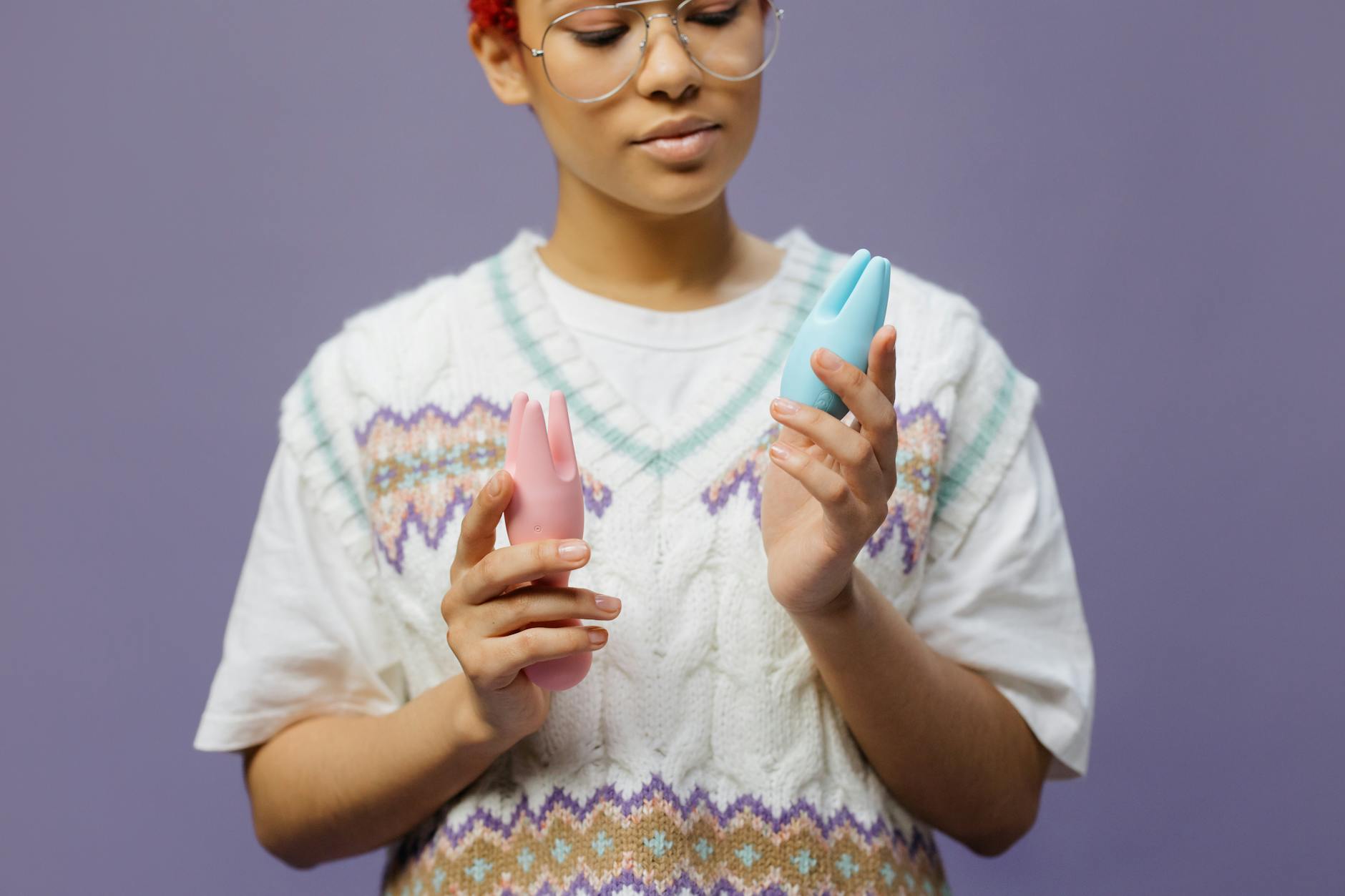
Lemon clitoral vibrators work here because they operate outside the familiar pattern. They introduce a sensation that's deliberately different from what your body has learned to expect from your partner's touch.
Why sensation gets buried in long-term relationships
Three things happen simultaneously in established couples:
1. Touch becomes predictable. Sex follows a rhythm you both know by heart. Same positions, same sequence, same pressure. Your nervous system stops registering it as stimulation because it's... well, routine.
2. Mental load crowds out physical presence. You're in bed but mentally running through tomorrow's schedule, work emails, or the argument you didn't finish. Your body is physically there. Your attention is not. Your partner feels it. You feel it. And both of you interpret that as waning desire when it's actually just distraction.
3. Performance anxiety kicks in. After years, there's often an unspoken pressure to "still have it." If desire feels low, one or both partners worry something's wrong with them. That worry becomes a self-fulfilling prophecy. Anxiety kills arousal. Dead stop.
Lemon clitoral vibrators interrupt all three patterns at once. They introduce genuine novelty, they require presence to use well, and they remove the pressure to perform in the old way.
How clitoral suction vibrators rewire sensation
The lemon vibrator uses gentle suction rather than direct vibration. That matters because suction stimulates the nerves around the clitoris differently than traditional vibrators or a partner's touch. It's novel. Your nervous system hasn't filed it away as "familiar."
When sensation is novel, attention returns. You have to focus on what's happening in your body because it's not the pattern you've learned to half-ignore. That focus is where desire rebuilds. It's where pleasure stops being something you do and starts being something you feel.
Why does this help long-term couples specifically? Because you're not replacing your partner. You're adding a tool that makes your partner's touch feel novel again by contrast. After using a lemon vibrator alone or together, regular touch feels different. Sharper. You remember what it feels like to actually notice sensation.
The partner angle: doing this together vs. solo
Let's be clear. Using a lemon clitoral vibrator alone resets your nervous system. You rebuild sensation on your own terms, no performance pressure, no wondering if your partner's getting bored or frustrated. That alone is valuable.
But couples often benefit more when they do it together, and here's why: it requires communication. "Here, try this pattern." "That feels good right there." "Wait, go slower." Those are conversations you probably haven't had in years. You've stopped talking about what feels good because you assumed you already knew. Introducing a new tool forces you to ask again. To pay attention to your partner's response in real time.
The pleasure you rebuild isn't just physical. It's relational. You're learning each other's bodies again.
Practical steps for couples restarting with a lemon vibrator
Start with lower intensity settings. If this is your first time using a clitoral suction toy, pattern 1 or 2 on the lemon vibrator is plenty. Your body doesn't need maximum stimulation. It needs novelty and attention.
Warm up longer than you used to. After years of predictable sex, your body takes time to warm up. Budget 15 to 25 minutes of foreplay before introducing the vibrator. That runway builds anticipation and gives both of you time to drop into actual presence.
Use water-based lubricant. Suction works better with a thin layer of lube. It also signals to your nervous system that something intentional is happening. You're not rushing. You're preparing.
Talk about it after. Not during (that kills presence), but afterward. What felt different? Where did you feel it? Did anything surprise you? These conversations are where emotional intimacy rebuilds alongside physical sensation.
When desire fade is actually something else in disguise
Sometimes low desire in a long-term relationship isn't really about novelty wearing off. It's about resentment, unresolved conflict, or an imbalance in labor and emotional responsibility. A vibrator won't fix that. Couples therapy will.
The honest question to ask yourself: do you want to feel desire? Are you interested in reconnecting physically? If the answer is yes but you're both stuck in routine, a tool like a lemon vibrator can help. If the answer is "not really," or if you're avoiding intimacy because something deeper is broken, that's a different conversation.
But if you're both willing and just numb, if sensation has genuinely faded but the relationship foundation is solid, this works. When arousal timelines don't sync, tools help. When sensation itself has quieted, vibrators wake it back up.
The permission piece that nobody talks about
Here's the part that matters more than the mechanics: using a lemon vibrator is permission to admit that routine isn't working anymore. It's permission to want something different. And that permission often spreads to other areas of intimacy.
Couples who introduce toys often start experimenting with timing, location, different positions. They start talking about desires they'd kept quiet about. Not because the toy changed their relationship. Because they gave themselves permission to acknowledge that the old way wasn't enough anymore.
Desire doesn't have to fade permanently. It changes shape. It gets quieter. But it can be woken up if both of you want to do the work. And it's not actually that much work. It's mostly just attention.
When to bring this up with your partner
Pick a time that's not during sex or when you're fighting. Something like: "I've noticed we've fallen into a rhythm and I miss feeling more connected physically. I've been reading about how couples reignite sensation, and I found something that might help. Can we try it?"
Notice the frame: it's not "you're not exciting me anymore." It's "I want us to feel more." That matters. Your partner won't hear this as criticism if it's offered as collaboration.
If they resist, listen. Maybe they're not ready. Maybe they have their own feelings about desire fade that need to surface first. Don't push. But also don't pretend your own needs don't matter. That's how couples end up numb to each other.
Desire fades. That's not failure. It's just physics. But fading doesn't have to be permanent. You can bring sensation back. You can remember what it feels like to actually want your partner. It takes presence, honesty, and sometimes a tool that helps your body remember how to pay attention.
People also ask
How long does it take to rebuild desire with a lemon vibrator?
There's no fixed timeline, but most couples notice a shift within 2 to 4 weeks of regular use. That said, you're not rebuilding desire just through the vibrator. You're rebuilding it through the conversation and presence that comes with using it together. Some couples feel a shift after the first time. Others need consistency before sensation really wakes back up.
Can using a lemon vibrator make my partner feel replaced?
Not if you frame it correctly. The research shows couples who use toys together actually report higher satisfaction and stronger connection than couples who don't. The vibrator isn't replacing your partner. It's a tool that makes your partner's touch feel novel again. That's actually pro-relationship.
What if my partner doesn't want to use it together?
Then start solo. Using a lemon vibrator alone resets your own nervous system and reminds your body what genuine sensation feels like. After a few weeks, your partner might notice the shift in you and get curious. Or you can bring it up again when desire starts feeling less heavy.
Is it normal to need a vibrator if you've been together for years?
Completely normal. Long-term couples often find that introducing variety, including toys, actually strengthens intimacy. It's not a sign that something's wrong with your relationship. It's a sign that you're both willing to keep paying attention to each other.
How does a lemon clitoral vibrator differ from other suction toys?
The main difference is design, intensity range, and how the suction pattern moves. Hell A Nancy Lem designs specifically for couples or people rebuilding sensation. The lemon vibrator starts gently and ramps up gradually, which works better for nervous systems that have gotten used to ignoring sensation. You're not shocked back into feeling. You're invited back in.
What if I've never used a toy with my partner before?
Start by having the conversation outside the bedroom. Explain why you want to try it. Give them time to sit with the idea. Then when you do use it, go slow and focus on communication. If something feels weird or uncomfortable, pause and talk about it. The first time is often awkward. That's fine. Awkward gets easier.