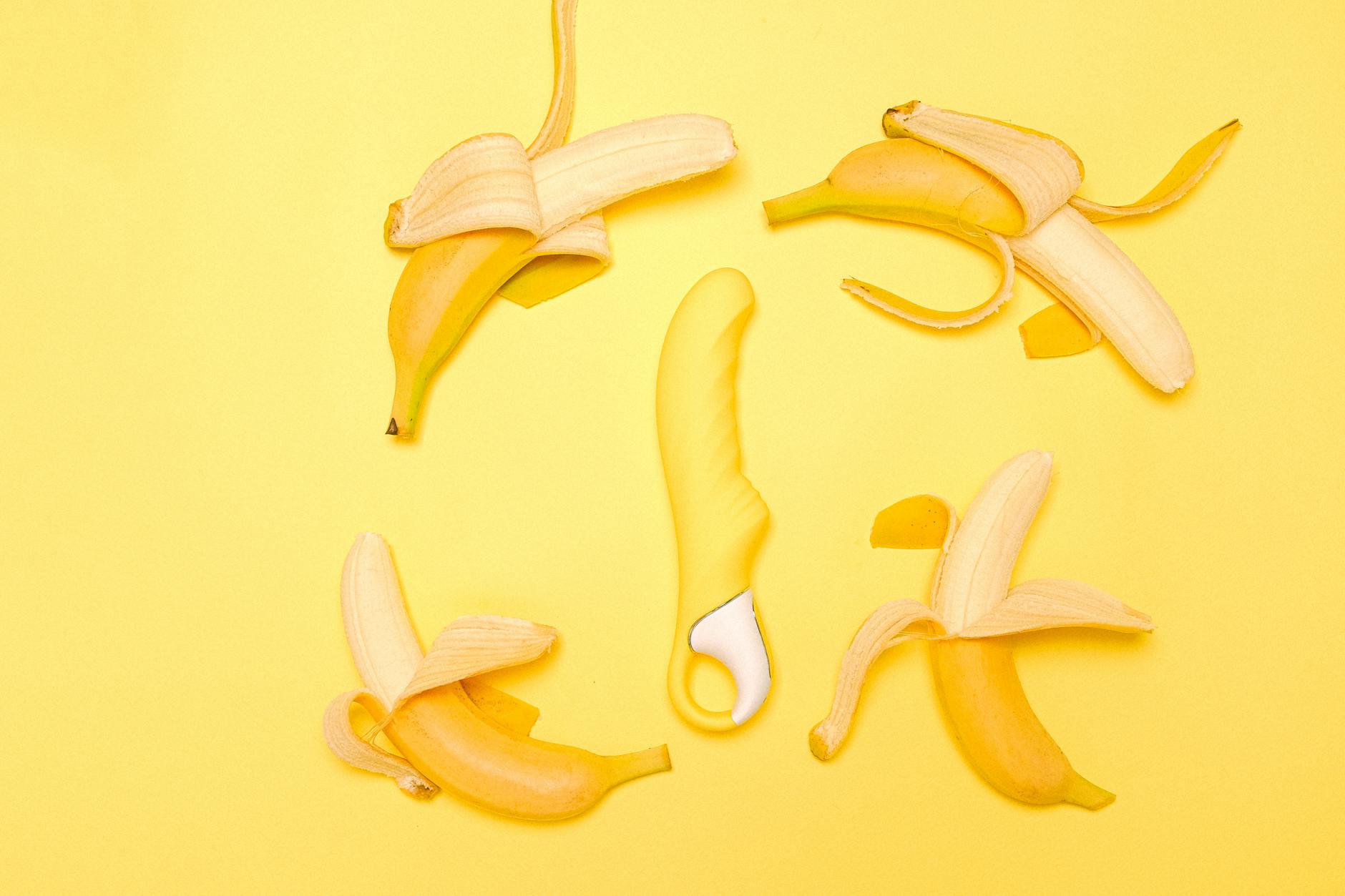
Let's start with the actual problem
Hormonal shifts change how your tissue responds to stimulation. It's not that you've broken anything. It's that estrogen fluctuation thins the vaginal wall, changes blood flow patterns, and alters nerve sensitivity. A lemon vibrator setting that felt perfect last year might feel too sharp, too shallow, or too intense right now.
The fix isn't to stop using your lemon clitoral vibrator. It's to recalibrate which patterns work with your body as it is, not as it was.
Why tissue sensitivity shifts with hormones
Estrogen keeps vaginal tissue plump and flexible. When it drops during perimenopause, after stopping birth control, post-pregnancy, or during breastfeeding, that tissue gets thinner and less elastic. The blood vessels that feed sensation also change their distribution.
This means two things happen simultaneously: some areas become more sensitive to direct contact, while others need more sustained pressure to register pleasure. That's why the vibrator pattern that hit your sweet spot for three years suddenly feels wrong.
It's not psychological. It's physiology.
The pattern hierarchy for sensitive tissue
Most lemon vibrators, including the Lem, have multiple patterns beyond just steady vibration. Here's how to use them when tissue is reactive:
Level 1: Start here every time. This is your baseline when anything has shifted. Don't skip it thinking you'll "work up" faster. Thinner tissue needs proper warm-up. Spend 5-10 minutes at this level to bring blood flow to the area and let sensation build. You'll often find that what felt subtle at the beginning gets noticeably stronger as arousal deepens.
Level 2-3: The exploration zone. Once your body has responded to Level 1, move here. This is where most people find their sweet spot after hormonal changes. The pattern is more complex but the amplitude is still moderate. If Level 2 still feels sharp, stay there. There's no prize for reaching higher numbers.
Level 4+: Only if Level 3 feels gentle. After hormonal shifts, jumping here often feels like friction instead of pleasure. Save the high-intensity patterns for when your tissue has fully recovered or when you're certain that's what you want. Even then, shorter sessions are better than long ones when tissue is delicate.
The pattern itself matters as much as the intensity. Rhythmic pulses often feel better than steady rumble when tissue is sensitive. They give the nerve time to reset between stimulations instead of constant pressure.
Water-based lube is not optional
I'm saying this plainly: if you're using a lemon clitoral vibrator on hormonal-shift tissue without lubricant, you're creating friction that even the gentlest pattern can't overcome.
Water-based lube changes everything. It lets the vibrator glide instead of drag. It reduces the pressure your tissue needs to absorb. And it creates a buffer that makes intensity feel softer without actually lowering the vibration strength.
Apply lube generously. Let it sit for a few seconds before you start so it's fully distributed. Reapply mid-session. The goal is that your vibrator moves with a smooth stroke, not a stuttering skip.
Positioning and angle
When tissue is sensitive, the angle at which your vibrator makes contact matters more than it usually does. Direct perpendicular pressure on the clitoris can feel overwhelming. Angled contact, where the vibrator meets tissue at 45 degrees or sits slightly to one side, often distributes sensation more evenly.
This is where the Lem's suction pattern becomes an advantage for hormonal-shift bodies. Instead of vibration hitting one spot hard, suction spreads the stimulation across a broader area. It's inherently gentler while still being effective.
If you're using this time to explore different positions, do it while you're already aroused at a lower intensity. Don't shift angles if you're still ramping up. You'll lose the sensation momentum you've built.
Session length and frequency
When tissue is healing or adjusting, shorter sessions with more recovery time work better than marathon sessions.
Try 10-15 minutes of actual vibrator use instead of 30-45. Your body will respond faster when tissue is sensitive, and you'll avoid the numbing sensation that comes from sustained intensity on reactive tissue. Shorter sessions also mean less post-session irritation.
If you're using your lemon vibrator solo, space sessions at least 48 hours apart while tissue is adjusting. This gives the microvascular system time to recover. If you're with a partner, external stimulation between sessions (touching, kissing) can feel good without the intensity of vibration.
Once you get through the adjustment window, your tissue will adapt and you'll tolerate longer sessions again. But rushing that timeline just extends how long sensitivity lasts.
The warmth factor that nobody talks about
Tissue that's already depleted from hormonal changes responds differently to cold versus room-temperature stimulation. A vibrator that's been sitting on your nightstand is cool to the touch. That temperature change can trigger a micro-contraction in already-tender tissue.
Warm your lemon vibrator for 30 seconds by running it under warm (not hot) water, or hold it in your hands for a minute before use. That small shift in temperature reduces the shock to sensitive tissue and makes arousal easier to build.
During foreplay with a partner, having them warm you up manually before introducing any toy also helps. The body is more responsive when it's not compensating for temperature surprise.
When to see someone
If pain appears during use, pause and let tissue recover for a few days. Pain is different from discomfort or sensitivity. Discomfort during adjustment is normal. Sharp pain or pain that lingers after sessions is a sign something needs attention.
Genitourinary syndrome of menopause is real and treatable, often with topical estrogen that has minimal systemic absorption. Pelvic floor tension can also make tissue feel more sensitive than it actually is. A pelvic floor physical therapist can assess whether tension or tissue thinning is driving what you're feeling.
If you've had hormonal shifts and haven't used your lemon clitoral vibrator in a while, it's worth checking in with a gynecologist before you start again. They can confirm what's happening with your tissue and suggest whether any topical support might help you get back to the sensation levels you want faster.
Frequently asked questions
Does using a lemon vibrator on lower intensity mean I'll feel less pleasure?
Not at all. When tissue is sensitive, lower intensity feels more intense because the sensations are clearer. You're not muffling the signal by cranking the power up. You're actually hearing it better. Many people find their orgasms are sharper and more satisfying at lower intensities when tissue has adjusted, because the nerves can process the stimulation without being overwhelmed.
Should I switch to a different type of toy when my tissue is sensitive?
Not necessarily. The Lem and other well-designed lemon clitoral vibrators have multiple intensity levels and patterns for exactly this reason. Switching toys often means starting a learning curve when your body already needs stability. Master your current toy at lower settings first. Once your tissue adapts, you can explore higher settings on the same device.
How long does hormonal-shift tissue sensitivity last?
It depends on the cause. After hormonal birth control, adjustment usually takes 2-6 weeks as hormones normalize. Post-pregnancy, 8-12 weeks is typical, longer if breastfeeding. Post-menopausal tissue changes are permanent, but your body adapts within 3-4 months once you're consistently using moisture and lower intensities. During perimenopause, sensitivity can fluctuate with your cycle for years, which is why having a flexible intensity system matters.
Can I use my lemon vibrator if I'm on topical estrogen?
Yes. Topical estrogen builds tissue thickness over 2-4 weeks of use. During that window, you might notice you can gradually move to higher intensities. Keep using low settings initially even if you're on estrogen treatment. The tissue is still rebuilding, and respecting that process means you'll regain full sensation faster.
Is it normal for the Lem to feel different after my cycle starts or hormones shift?
Completely normal. Tissue changes even within a single cycle during perimenopause. Many people find that sensitivity and pressure tolerance shift day to day. This is why having 3-4 intensity levels on your toy matters more than having one perfect setting. You're not failing at pleasure. You're working with a body that's communicating what it needs each time.
What if lower intensities never feel satisfying?
That might mean tissue sensitivity is only part of what's happening. Anxiety, disconnection from your partner, medications, or mental load can all muffle sensation even when tissue is healthy. If you've given lower intensities a real trial (at least two weeks, multiple sessions) and they're still not working, check in with a therapist or counselor alongside a medical exam. Sometimes the bottleneck isn't physical.
The actual takeaway
Hormonal shifts are temporary or adaptive. Your tissue will recover or adjust. Your lemon vibrator isn't the problem. The old settings just don't match your body right now. Start low. Use lubricant. Respect the warmup. Give your tissue space to respond. Most people find they get back to their previous pleasure levels or even exceed them once they stop fighting the adjustment and start working with it.
If you're navigating this solo or with a partner who doesn't understand why things feel different, that conversation matters too. Your body changing doesn't mean your pleasure is changing permanently. It means you get to learn yourself again. And honestly? That's often where people find their best orgasms happen.
Ready to explore settings that work for you now? Check in with us at Hell A Nancy Lem if you have questions about your Lem or need guidance on patterns and intensity for your specific situation.